

SAPPHIRE
Emerald by Day, Ruby by Night
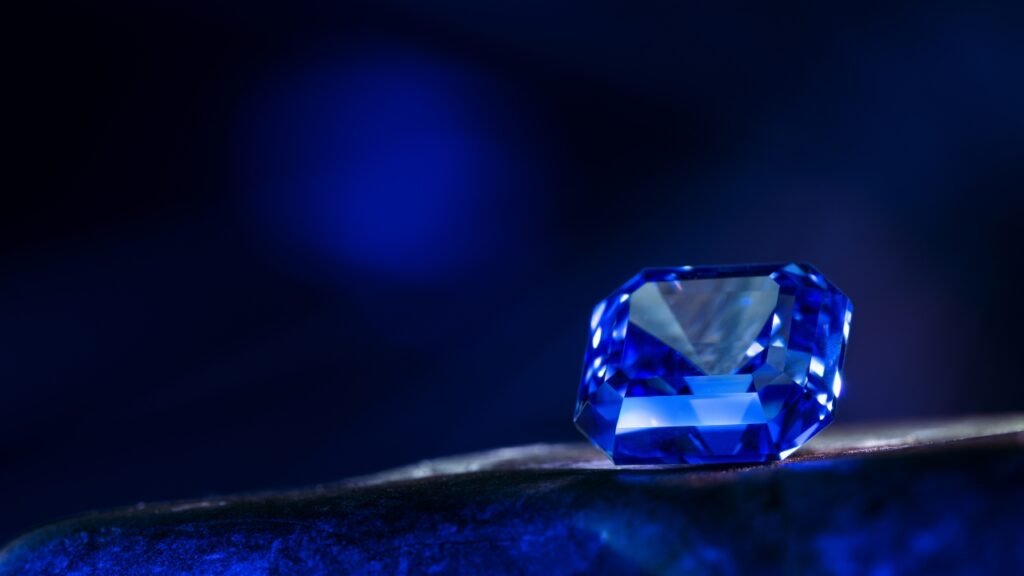
Sapphire is a precious gemstone admired for its beauty, exceptional durability, and captivating colors, with blue being its most iconic variety. For centuries, it has been associated with royalty, elegance, and timeless sophistication.
1. What Is Sapphire
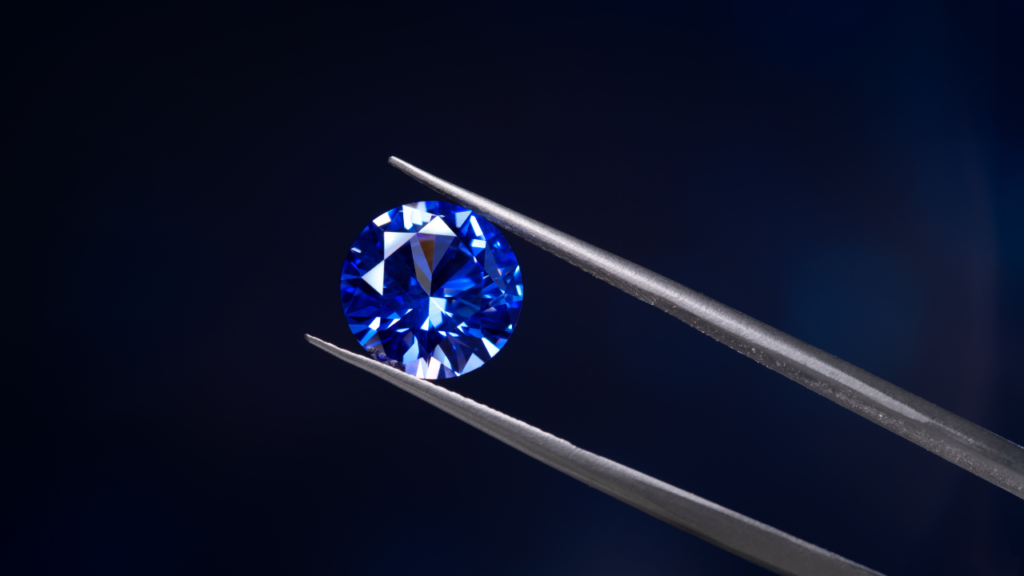
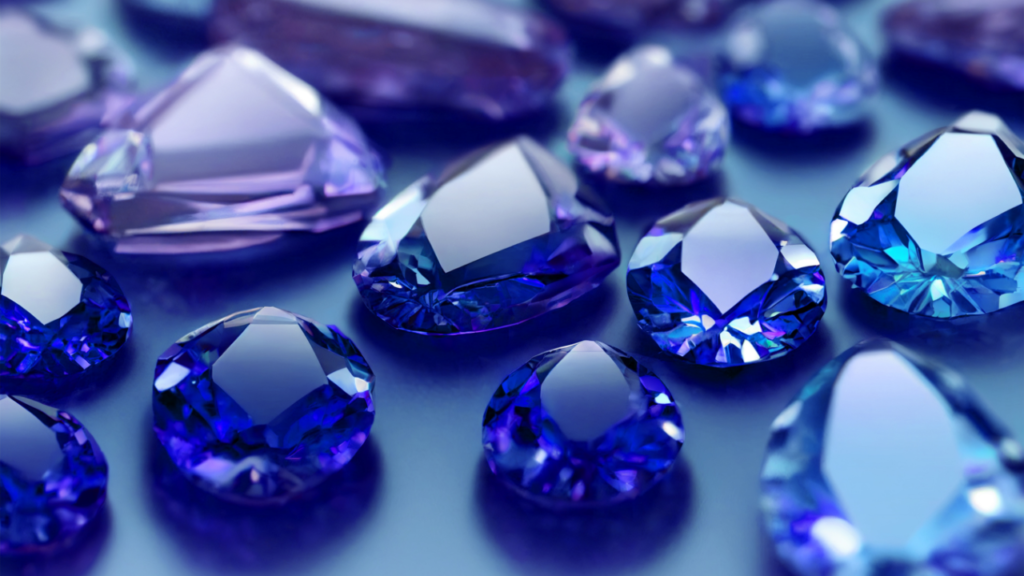
The name “sapphire” traditionally refers to the blue variety of the mineral corundum, ranging from very light to deep, dark blue. Corundum can also occur naturally in many other colors, known as “fancy sapphires,” including pink, yellow, green, and purple. The exception is red corundum, which is classified separately as ruby. The characteristic blue color of sapphire is created by trace amounts of iron and titanium within its crystal structure.
2. Color and Value
Sapphires vary widely in tone, but the most desirable color is a rich blue to violet-blue. Stones with strong saturation and even color are especially prized. These qualities make fine sapphires highly valuable and sought after in jewelry. Their deep blue hue has long been associated with elegance and authority.

3. Name and Ancient Beliefs
The word “sapphire” comes from the Greek term “sappheiros,” which likely referred to lapis lazuli. In ancient Greece and Rome, kings and queens believed blue sapphires protected them from envy and harm. During the Middle Ages, sapphires were thought to attract heavenly blessings. These beliefs helped establish sapphire as a gemstone of protection and wisdom.
4. From Royal Romance to Iconic Jewelry
Sapphire gained renewed global popularity in modern times when Prince Charles of Britain gave a blue sapphire engagement ring to Lady Diana Spencer. This iconic ring captured public attention and made sapphire a fashionable alternative to diamonds. Since then, sapphire has remained a symbol of elegance, romance, and timeless style.
5. From Sri Lanka to the World
Sapphire deposits are found across the world, including Australia, Afghanistan, Cambodia, China, India, Kenya, Madagascar, Malawi, Mozambique, Myanmar, Nigeria, Sri Lanka, Tanzania, Thailand, the United States (Montana), and Vietnam. Sri Lanka is especially famous for producing one of the rarest sapphires, known as padparadscha. This unique sapphire displays a pink-orange to orange-pink color and is highly prized by collectors.
6. Asterism in Sapphires
Some sapphires show an unusual optical phenomenon called asterism. When cut as cabochons, these stones display a star-shaped pattern of light across their surface. These gems are known as star sapphires and are valued for their rarity and visual beauty.
7. Meaning and Traditions
Sapphire is the birthstone for September and the gemstone for the 5th and 45th wedding anniversaries. Today, it is believed to bring peace of mind, serenity, and prosperity. It has also long been associated with loyalty, sincerity, and lasting relationships.
8. How Hard Is Sapphire
Sapphire has a hardness of 9 on the Mohs scale, making it the second-hardest natural gemstone after diamond. This exceptional hardness gives sapphire excellent resistance to scratching and makes it highly suitable for everyday jewelry, including rings, bracelets, and watches.
9. Refractive index
Sapphire has a refractive index of approximately 1.76 to 1.77, which contributes to its attractive brilliance and reflections. The refractive index measures how strongly light bends as it passes through the gemstone. A higher refractive index generally allows a gemstone to produce stronger light effects when properly cut.
10. How to Clean Sapphire
The safest way to clean sapphire jewelry is with warm soapy water and a soft toothbrush to gently remove dirt and oils. Rinse the gemstone thoroughly with clean water and dry it with a soft cloth. Avoid harsh chemicals and abrasive cleaners that could damage the metal or other gemstones in the jewelry.

📌 Sapphire: Summary
- Blue corundum; red corundum = ruby
- Color comes from iron and titanium; hardness 9, very durable
- Most valued: rich blue to violet-blue with even saturation
- Name from Greek “sappheiros”; historically believed to protect and bring wisdom
- Star sapphires show a star pattern called asterism
- Famous royal gemstone; Diana’s engagement ring increased popularity
- Found in Sri Lanka, Myanmar, Madagascar, Australia, Afghanistan, India, and more
- Birthstone for September; gemstone for 5th & 45th anniversaries
- It is 9 on the Mohs scale of hardness
▶️ Watch on YouTube

🛒 Shop with us
- Love what we do?
- Shop with us to support our project!