
DIAMOND
From Carbon to Gemstone
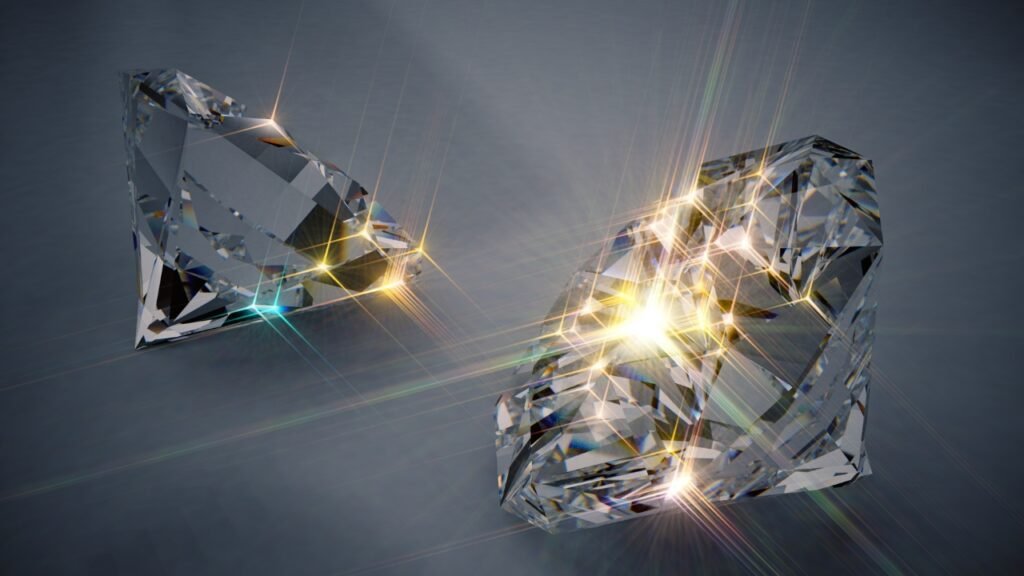
Diamonds are celebrated as the most coveted gemstones on Earth, admired for their unmatched brilliance, fire, and rarity. Throughout history, they have symbolized wealth, power, and refined beauty, making them favorites among royalty and collectors alike. Today, diamonds continue to hold their status as the ultimate choice for engagement rings, fine jewelry, and special commemorative pieces.
1. A Gem of Pure Carbon
Unlike other gemstones, diamonds are composed entirely of a single element: carbon. While graphite is another common form of carbon, the two materials are strikingly different in appearance and properties. This contrast comes down to the arrangement of carbon atoms, which gives diamonds their exceptional strength and optical brilliance. Each diamond’s structure allows light to interact in ways that produce its iconic sparkle, making it unlike any other gem on the planet.

2. The Crystal Structure
The atoms in a diamond form a precise three-dimensional pattern known as the “diamond cubic” structure, where each carbon atom is bonded identically in all directions. In graphite, by contrast, atoms form layered hexagonal sheets, which are soft and easily break apart. This unique lattice in diamonds is what gives them their incredible hardness, optical clarity, and resistance to wear. The regularity of this structure also contributes to the diamond’s ability to bend and reflect light, producing its signature fire and brilliance.

3. Hardness Beyond Compare
Diamonds rank a perfect 10 on the Mohs scale of hardness, making them the hardest naturally occurring material on Earth. They are approximately 58 times harder than any other gemstone, a property that has fascinated scientists and gemologists for centuries. This extraordinary strength allows diamonds not only to shine in jewelry but also to serve as precision tools in cutting, drilling, and industrial applications. Their durability ensures that even heirloom pieces can last for generations without losing their stunning appearance.
4. Trace Elements and Colors
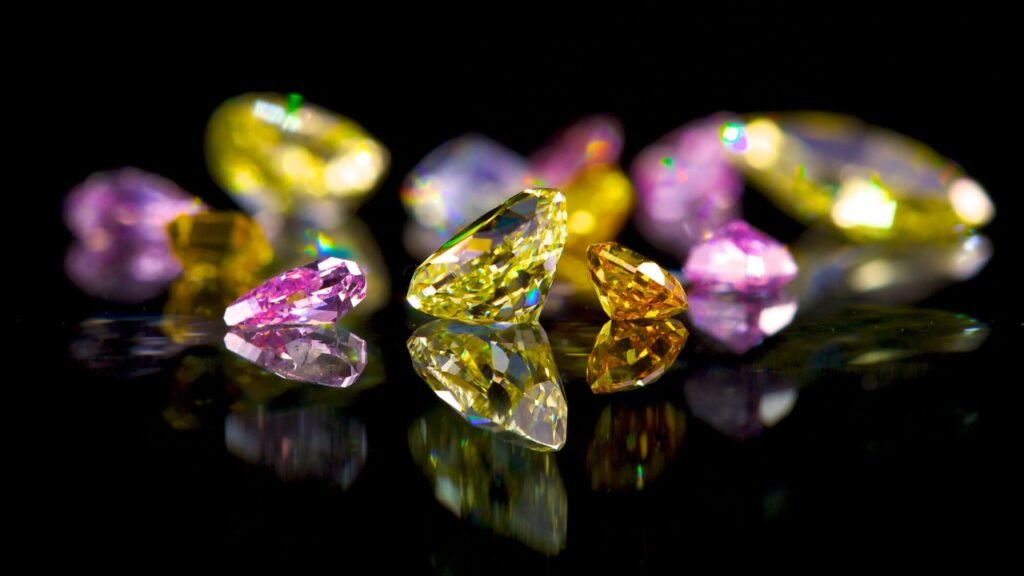
While diamonds are composed of about 99.95% carbon, trace elements and structural anomalies can create a dazzling array of colors. Nitrogen impurities often produce yellow or golden tones, while boron can create a rare and striking blue. Diamonds can also appear in pink, green, red, and even deep black, each hue adding to the gem’s mystique and rarity. Some of these colored diamonds, known as “fancy diamonds,” are particularly prized by collectors and can reach record-breaking prices at auction.
5. How Diamonds Form
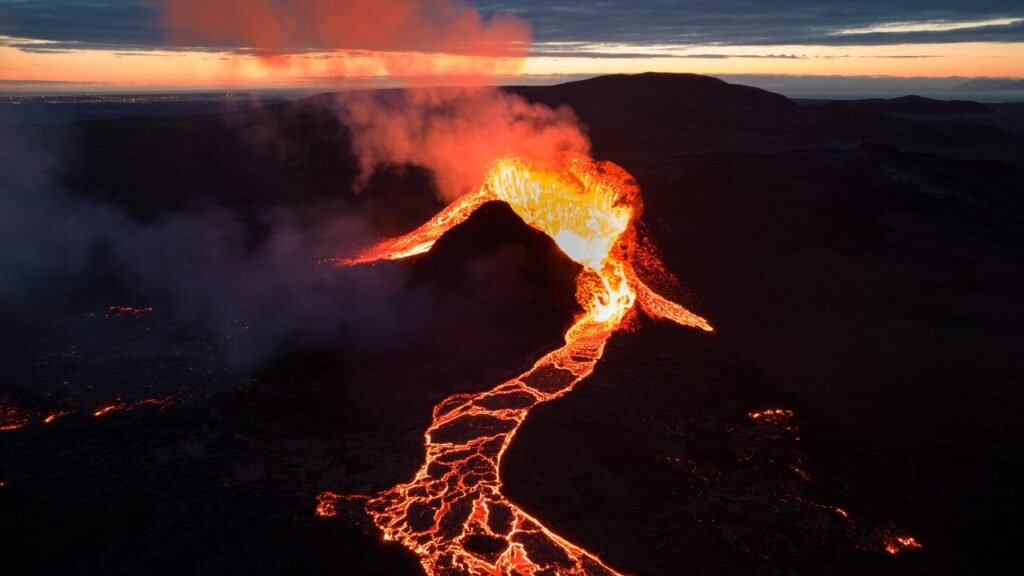
Most diamonds formed between 1 and 1.5 billion years ago, deep beneath the Earth’s surface at depths of around 100 miles. They were created under extreme pressure and temperatures that exist only in the Earth’s mantle. Over eons, these ancient gems were carried closer to the surface by volcanic eruptions, where they were trapped in kimberlite and lamproite pipes. This geological journey gives every diamond a story that stretches back to the earliest chapters of our planet’s history.
6. Diamonds in History
The first diamonds were discovered in India as early as the 4th century BC. By medieval times, these gems traveled along trade routes to Europe, where Venice’s markets became famous centers for diamond commerce. Diamonds quickly captured the attention of European elites, adorning crowns, rings, and ceremonial jewelry. Over the centuries, they have remained symbols of status, elegance, and timeless beauty, appearing in royal collections and museum exhibits worldwide.
7. Leading Diamond Producers Today
India was the earliest known source of diamonds, but modern production now spans multiple continents. Today, Russia, Canada, Botswana, Angola, South Africa, and Australia are among the top diamond producers. These countries supply the majority of diamonds used in both jewelry and industry, each region contributing stones with distinctive characteristics. With advances in mining and global trade, diamonds have become more widely available while maintaining their aura of rarity and prestige.
8. Keeping Diamonds Brilliant
Despite their incredible hardness, diamonds still require proper care to preserve their sparkle. The safest cleaning method is warm, soapy water with a soft brush to remove dirt and oils. Regular inspection for loose settings or chips ensures that the gem remains secure and dazzling. With gentle maintenance, diamonds can maintain their brilliance for lifetimes, becoming treasured heirlooms passed down through generations.

9. Refractive index
The refractive index of diamond is 2.42, meaning that light travels about 2.42 times slower in diamond than in empty space and bends significantly when entering the gemstone. Its high refractive index creates a small critical angle, allowing light to undergo total internal reflection within the facets of a well-cut diamond, contributing to its famous brilliance.
10. Symbolism and Meaning
Diamonds are the birthstone for April and the traditional gemstone for 60th and 75th wedding anniversaries. Many also view diamonds as a representation of courage, clarity, and invincibility. Their combination of natural beauty, rarity, and symbolic power continues to make them one of the most meaningful and cherished gemstones in the world.
Inspired by the remarkable transformation of alexandrite, discover the Gemstone Fusion Wall Art Collection, a curated set of three artistic pieces designed to capture the unique colors and character of this extraordinary gemstone.

📌 Diamond: Summary
- Pure carbon gemstone
- Carbon atoms in diamond cubic lattice
- Hardest natural material on Earth: 10 on Mohs scale
- Colorless to fancy (yellow, blue, pink, green, red, black)
- Formed 1–1.5 billion years ago deep in Earth’s mantle
- Brought up via volcanic kimberlite and lamproite pipes
- Leading producers: Russia, Canada, Botswana
- Also Angola, South Africa, Australia
- First discovered in India (4th century BC)
- Gem for 60th and 75th wedding anniversaries
- Birthstone for April