
AMETRINE
Two Colors, One Phenomenal Gem
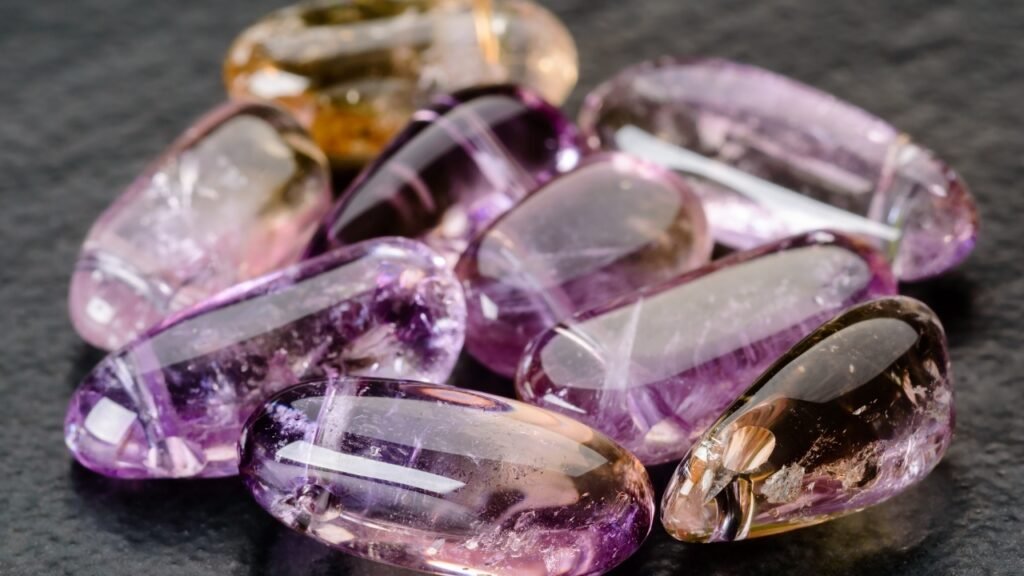
Among the many varieties of quartz, ametrine stands out for its distinctive appearance and uncommon formation. It offers an interesting example of the diversity found in natural gemstones.
1. What is Ametrine?
2. Trade Names of Ametrine
In the gem trade, it is known as amethyst-citrine, bicolor amethyst, bicolor quartz, or bolivianite. These names are commonly used for ametrine stones with distinct zones of purple and yellow.
3. Origin and History
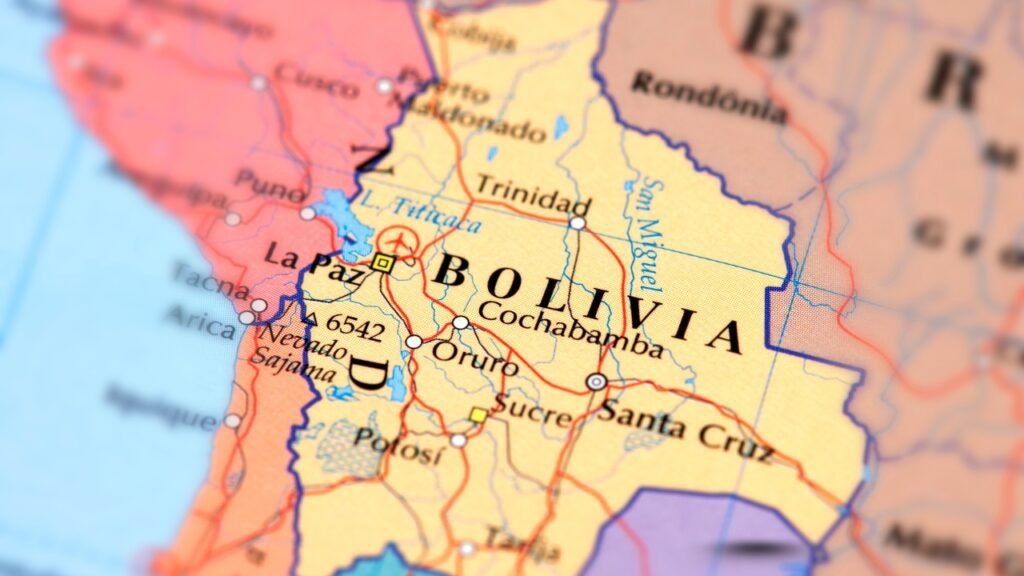
Most of the world’s commercial ametrine comes from the Anahí mine in southeastern Bolivia, near the Brazilian border. The mine was first discovered in the 1600s by a Spanish conquistador but, due to its remote location, was lost for more than three centuries before being rediscovered in the 1960s. Today, it remains the primary source of natural ametrine. The gemstone is closely associated with Bolivia because of this unique origin.
4. How Ametrine Gets Its Colors?
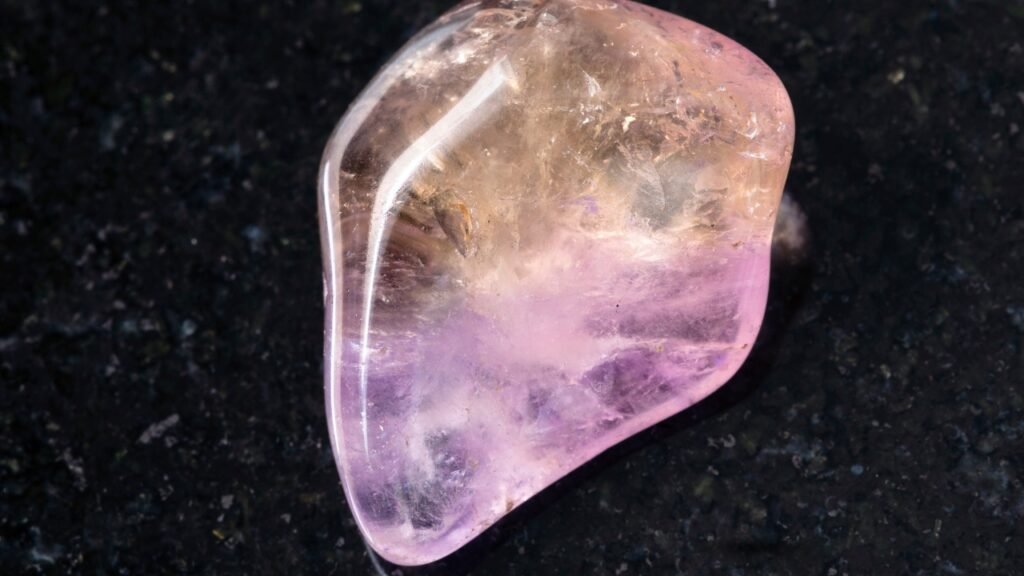
Ametrine’s distinctive colors develop because different parts of the crystal form under different temperatures. Iron impurities within the quartz, together with natural radiation, produce the purple amethyst zones, while higher temperatures create the golden-yellow citrine areas.
5. Ametrine Color Zoning
One of the most fascinating aspects of ametrine is its natural color zoning. Depending on how the gem is cut, the purple and golden hues can appear sharply divided or softly blended. Light also affects how these colors are seen, and as the gemstone moves, the tones can shift subtly. This creates a dynamic visual effect, making each ametrine stone unique.
6. Hardness and Cutting Styles
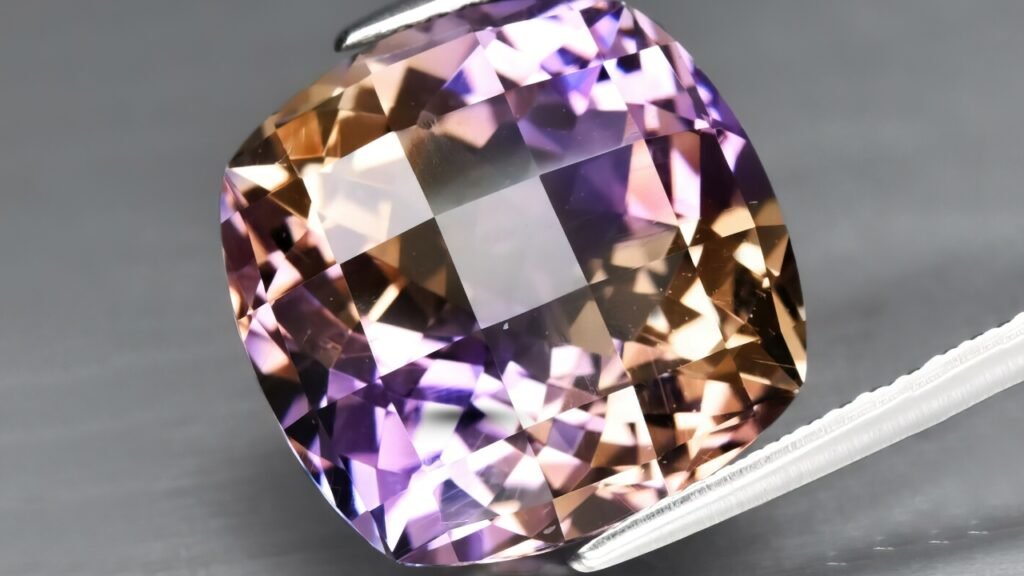
Ametrine ranks 7 on the Mohs scale, making it durable enough for everyday jewelry. To showcase its bicolor beauty, jewelers often use a rectangular “step cut,” which displays both colors clearly and evenly. Skilled cutting is essential to balance the purple and yellow tone.
7. How to Clean Ametrine
The safest way to clean ametrine is with warm, soapy water and a soft brush or cloth. Avoid harsh chemicals or ultrasonic cleaners to preserve its natural beauty. It is also recommended to rinse the stone thoroughly and dry it gently after cleaning. Proper care helps maintain its clarity and vibrant colors over time. Storing it separately from harder gemstones can help prevent scratches and damage.
8. Refractive index
Ametrine has a refractive index of 1.544 to 1.553. This means it bends light moderately, giving the gemstone a bright, glass-like luster and allowing its purple and golden color zones to appear vivid and well-defined.
Inspired by the remarkable color of ametrine, discover the Gemstone Fusion Wall Art Collection, a curated set of three artistic pieces designed to capture the unique colors and character of this extraordinary gemstone.

📌 Ametrine: Summary
- Quartz gemstone with purple amethyst and golden citrine colors
- Color from iron impurities; variation depends on concentration
- Color zoning caused by temperature differences during formation
- Also called amethyst-citrine, bicolor amethyst, bicolor quartz, or bolivianite
- High-value stones have a well-balanced color split
- Most commercial ametrine comes from the Anahí mine, Bolivia
- Mine discovered in the 1600s, lost for centuries, rediscovered in the 1960s
- Hardness: 7 on the Mohs scale