
CITRINE
The Merchant’s Stone
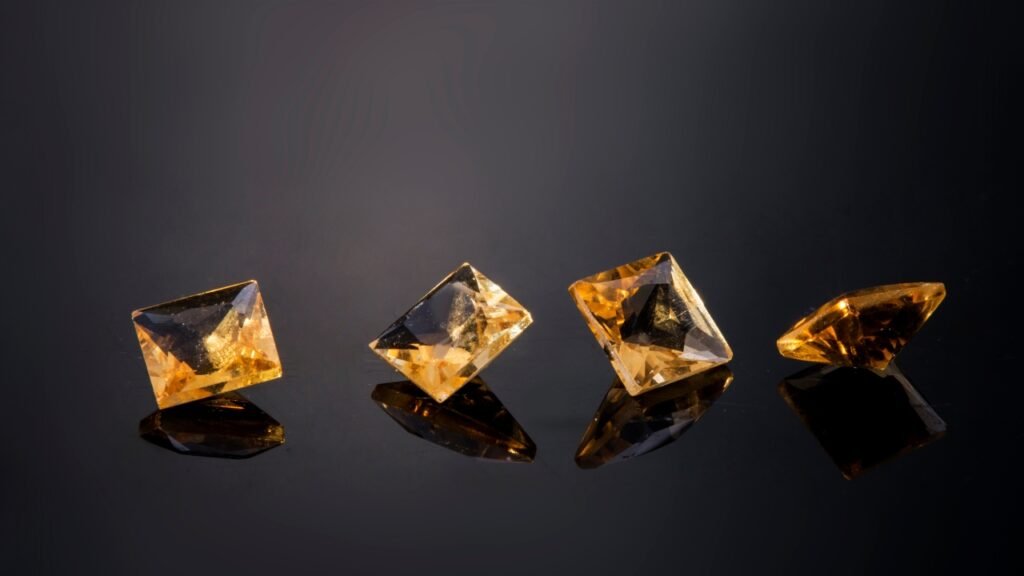
Citrine has been admired throughout history for its warm golden hues and distinctive character, making it a well-known gemstone in jewelry and gem collections.
1. What Is Citrine?
Citrine is a popular quartz variety known for its transparent yellow-to-orange hues, from pale yellow to brownish orange. In the past, it was often mistaken for topaz due to their similar colors.
2. The Origin of the Name
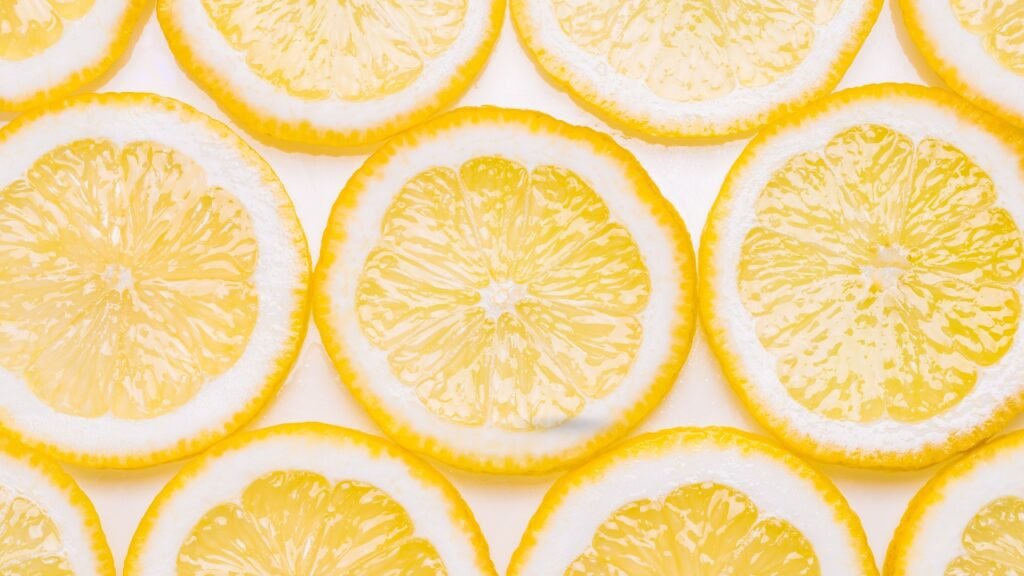
The word citrine is believed to come from the French word citron, meaning “lemon.” This name reflects the stone’s light yellow shades, which resemble the fruit. Over time, the term became associated with all shades of citrine, from pale yellow to deep orange.
3. Citrine in History
Quartz has been used in jewelry for thousands of years by the Egyptians, Greeks, and Romans. However, citrine became especially popular during the Georgian and Victorian eras, when it was highly valued in rings and brooches. Its golden glow made it a fashionable gemstone among royalty and the nobility. Beyond its beauty, it was also believed to offer protective qualities, shielding the wearer from negative energy.
4. Types and Colors
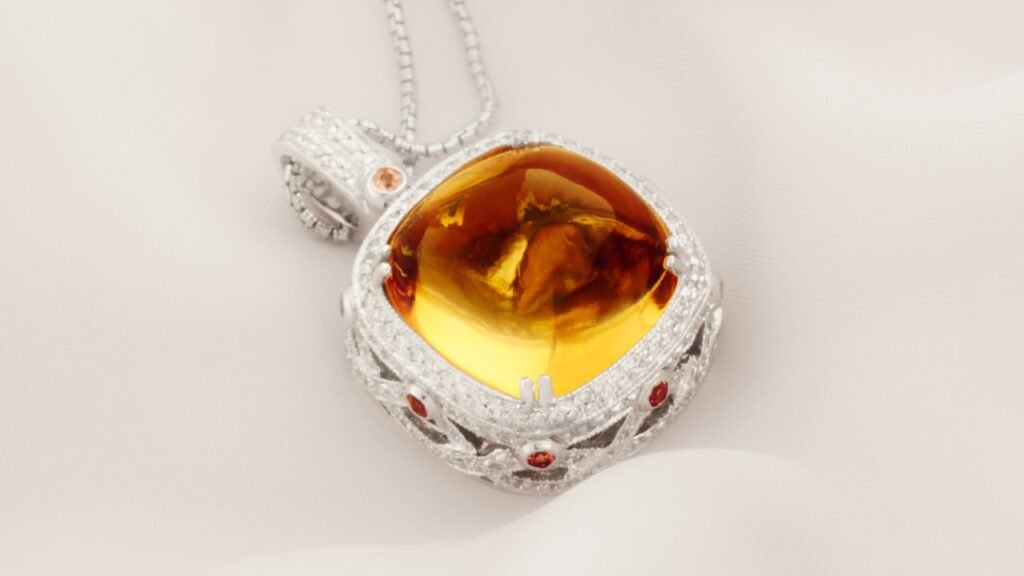
The natural color of citrine is rare, and most commercial stones are actually heat-treated amethysts. Pale citrine is common and affordable, while deeper, richer colors are rarer and more desirable to buyers. A reddish variety known as Madeira citrine is named after the Portuguese island famous for its wine of a similar color. This variety is highly prized for its deep, warm tones that resemble amber or honey.
5. Global Sources of Citrine
Citrine is mined in many parts of the world. The most important commercial sources include Brazil (the leading producer), Bolivia, Madagascar, Mexico, Russia, Spain, and Uruguay. While much of the citrine on the market is heat-treated amethyst, natural high-quality stones are still sought from these regions for their unique colors.
6. Symbolism and Beliefs
Citrine is the birthstone for November and the traditional gemstone for the 13th wedding anniversary. It is often called the “merchant’s stone,” as many believe it attracts wealth, success, and prosperity.
7. Hardness of Citrine
Citrine has a hardness of 7 on the Mohs scale, making it durable enough for everyday wear. However, it should still be handled with care to preserve its appearance.

8. Safe Cleaning
The safest way to clean citrine is with warm, soapy water and a soft cloth. It should not be exposed to harsh chemicals, prolonged sunlight, or extreme heat, as these can fade its color over time. Proper storage, such as keeping it separate from harder gemstones, helps maintain its brilliance and longevity.
9. Refractive Index
The refractive index of citrine ranges from 1.544 to 1.553, meaning that light bends slightly as it passes through the gemstone, contributing to its visual appearance and brilliance.
Inspired by the remarkable color of citrine, discover the Gemstone Fusion Wall Art Collection, a curated set of three artistic pieces designed to capture the unique colors and character of this extraordinary gemstone.

📌 Citrine: Summary
- Transparent quartz, pale yellow to brownish orange
- Color from natural or heat-treated amethyst; deeper tones rarer
- Name from French citron, meaning “lemon”
- Used since ancient times; called the “merchant’s stone”
- Madeira citrine is deep reddish-orange, highly prized
- Found in Brazil, Argentina, Bolivia, Madagascar, Mexico, Russia, Spain, Uruguay
- Birthstone for November; gem for 13th wedding anniversary
- 7 on the Mohs scale of hardness