Where Amethyst and Citrine meet in one extraordinary gemstone
A Rare Gem of Two Colors
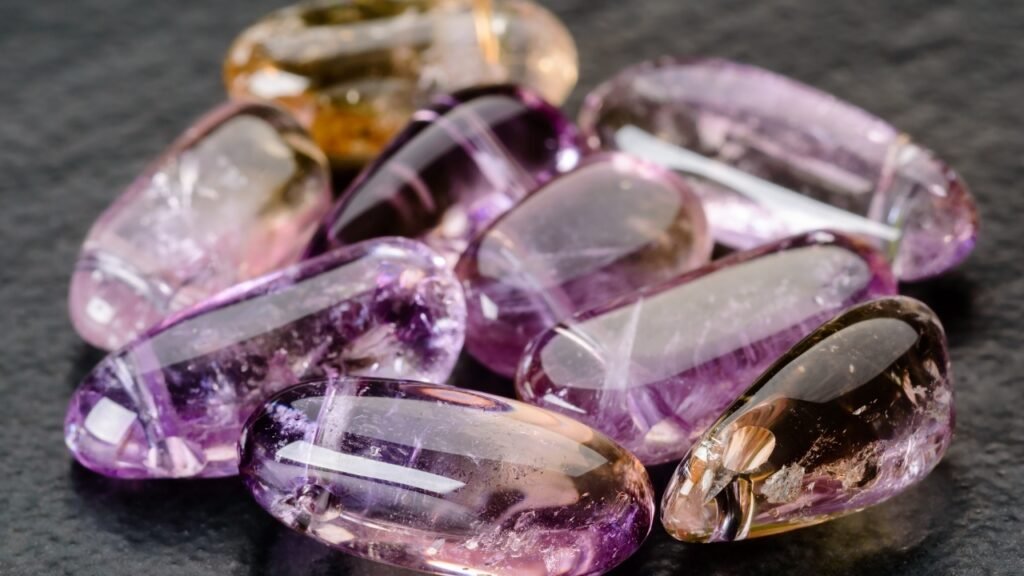
When a transparent quartz displays both the purple of amethyst and the golden yellow of citrine in a single gem, it is called ametrine. This striking mix of colors makes it one of the most unique gemstones in the quartz family.
Ametrine is highly valued for its rare blend of two colors within a single crystal
Names and Rarity
In the gem trade, ametrine is also known as amethyst-citrine, bicolor amethyst, bicolor quartz, or bolivianite. It is considered a rare gemstone and is highly prized for its natural blend of two colors in one crystal.
Origin and History
Most of the world’s commercial ametrine comes from the Anahí mine in southeastern Bolivia, near the Brazilian border. The mine was first discovered in the 1600s by a Spanish conquistador but, due to its remote location, was lost for more than three centuries before being rediscovered in the 1960s.
Most of the world’s commercial Ametrine comes from the Anahí mine in southeastern Bolivia
How the Colors Form
The purple and yellow shades in ametrine are caused by iron impurities within the crystal. The concentration of iron is much higher in the yellow areas than in the violet ones, creating the gem’s natural two-tone effect.
Characteristics and Cuts
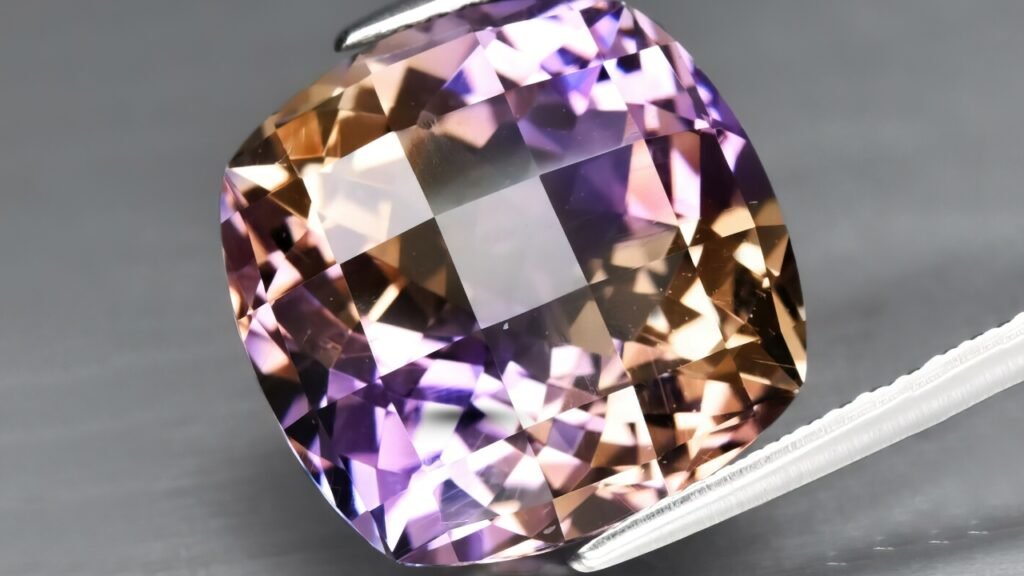
Ametrine ranks 7 on the Mohs scale of hardness, making it durable enough for everyday wear. Jewelers often prefer the rectangular step cut to highlight its beautiful bicolor effect.
The purple and yellow shades in Ametrine are caused by iron impurities within the crystal
Color Zoning and Light Effects
One of the most fascinating aspects of ametrine is its natural color zoning. Depending on how the gem is cut, the purple and golden hues can appear sharply divided or softly blended together. When exposed to light, ametrine often shows a beautiful play of tones, making each stone appear slightly different and truly one-of-a-kind.
Uses in Jewelry
Ametrine is a favorite among jewelry designers because of its unique two-color effect. It is often crafted into rings, pendants, or earrings where both shades can be seen clearly in one glance. High-quality specimens are especially valued in fine jewelry, while more affordable stones make it accessible to a wider audience.
Symbolism and Beliefs
Traditionally, ametrine has been associated with success, balance, and healing, supporting spiritual, mental, and emotional well-being. Many believe it helps unite the calming energy of amethyst with the uplifting energy of citrine.
The Best Way to Clean ametrine
The safest way to clean ametrine is with warm, soapy water and a soft brush or cloth. Avoid harsh chemicals or ultrasonic cleaners to preserve its natural beauty.
 &
&  to get amazing