
AMETHYST
The Purple Gem of the Wine God
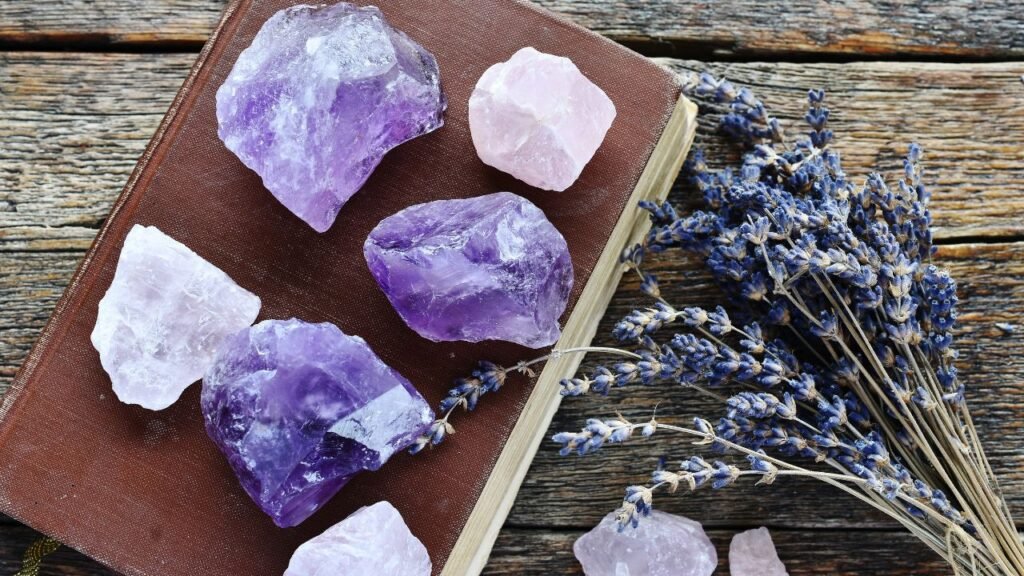
Known for its striking purple color, amethyst has been treasured for thousands of years. Its natural beauty and fascinating history have made it one of the world’s most recognizable and cherished gemstones.
1. What is Amethyst?
Amethyst is a variety of quartz that ranges in color from pale lilac to deep violet. It is the gemstone most closely associated with the color purple.
2. What Makes Amethyst Purple?
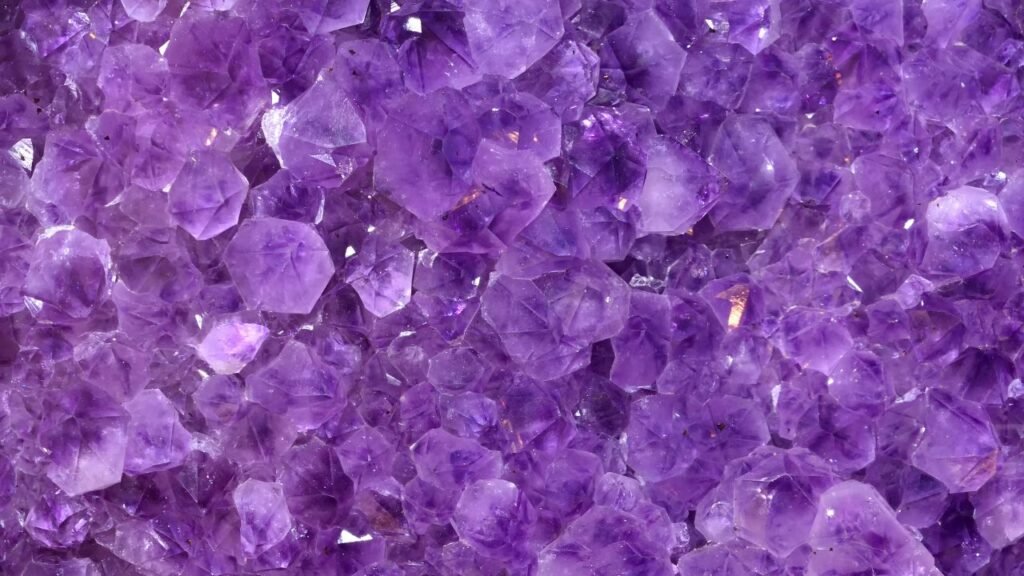
The vibrant purple color of amethyst comes from trace amounts of iron within the quartz, altered by natural radiation over time. It also commonly displays color zoning, with lighter and darker purple areas appearing within the same gemstone.
3. Myth and Meaning
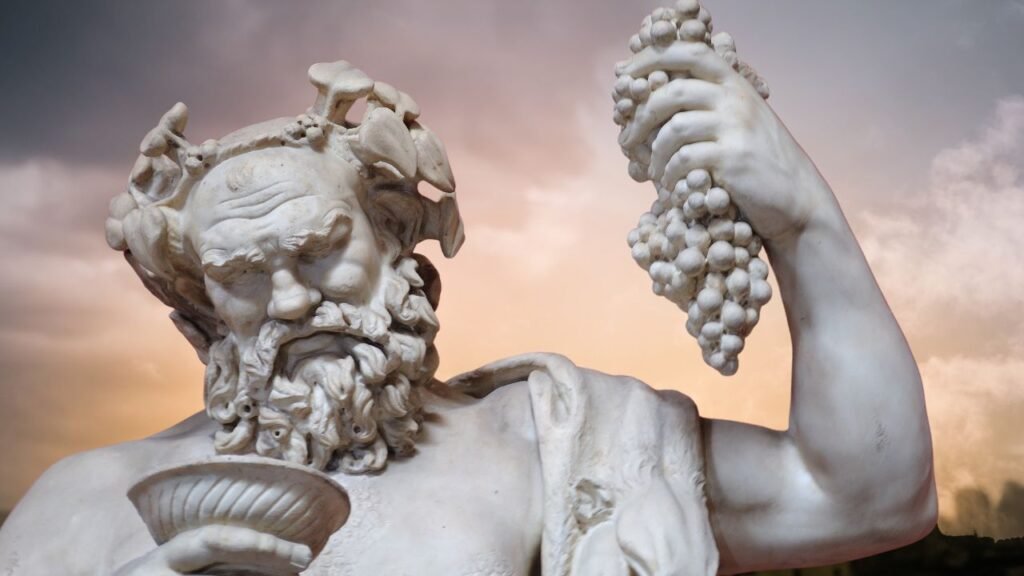
The name amethyst comes from the ancient Greek word amethystos, meaning “remedy against drunkenness.” In Greek mythology, the gemstone was linked to Bacchus, the god of wine, and was believed to protect its wearer from intoxication.
4. History of Amethyst
Amethyst has been used in jewelry for more than 2,000 years. During the Middle Ages, soldiers wore it for protection in battle. It was also prized by kings, queens, and emperors across Europe and Asia for both its beauty and its supposed protective powers.
5. From Rare to Abundant
Until the 19th century, amethyst was considered as valuable as rubies, sapphires, and emeralds. This changed after large deposits were discovered in Brazil, making the gemstone much more widely available. Today, amethyst is found in many parts of the world, including the United States, Bolivia, Uruguay, Tanzania, Canada, France, India, Russia, Madagascar, and Zambia.
6. Mohs Hardness of Amethyst
Amethyst ranks 7 on the Mohs scale of hardness, making it durable enough for everyday wear. It is a popular choice for rings, necklaces, and earrings.
7. Birthstone & Anniversary
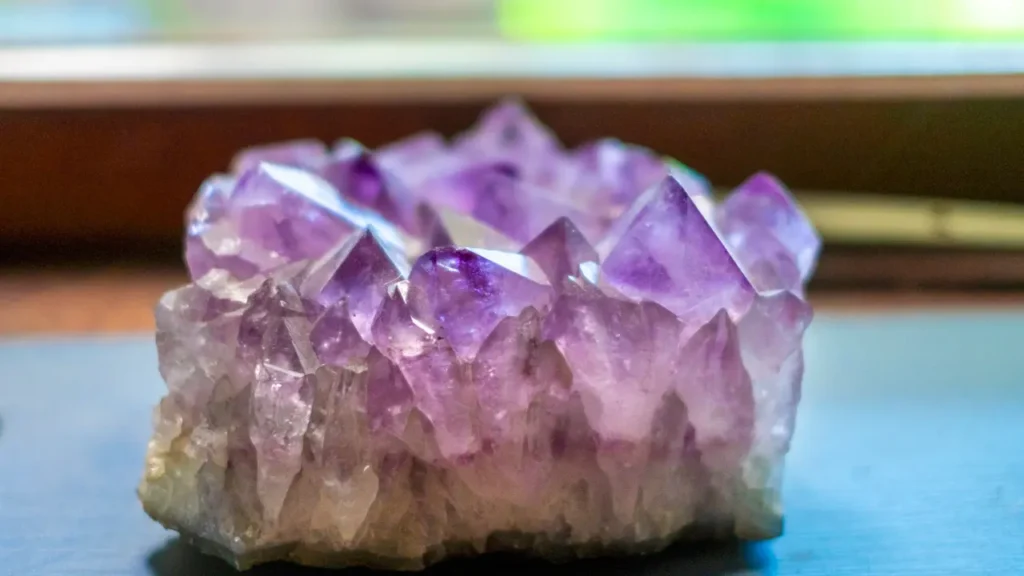
Amethyst is the official birthstone for February. It is also the traditional gemstone for the 6th and 17th wedding anniversaries.
8. How to Clean Amethyst
To keep amethyst looking its best, clean it with a soft toothbrush and warm, soapy water. Avoid harsh chemicals and sudden temperature changes to help preserve its natural beauty.
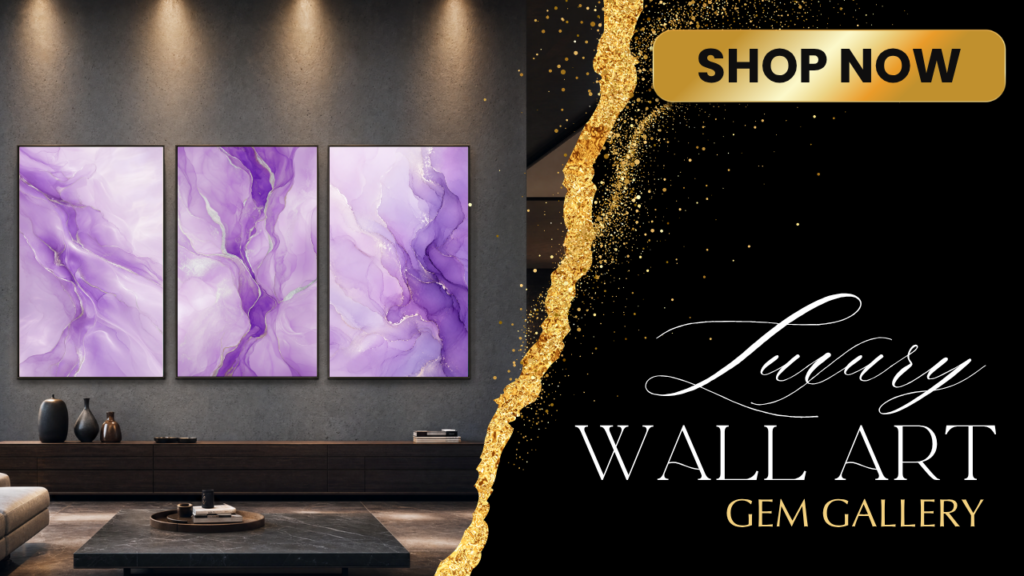
Inspired by the remarkable color of amethyst, discover the Gemstone Fusion Wall Art Collection, a curated set of three artistic pieces designed to capture the unique colors and character of this extraordinary gemstone.
📌 Amethyst: Summary
- Mineral: Quartz variety
- Color: ranging from lilac to deep purple caused by trace iron altered by natural radiation
- Name comes from Greek amethystos (“protection against drunkenness”)
- Linked to Bacchus, god of wine
- Used in jewelry for over 2,000 years
- Once highly valuable, until Brazilian deposits were found in the 19th century
- Found in USA, Bolivia, Uruguay, Tanzania, Canada, France, India, Madagascar, Russia, Zambia
- Hardness: 7 on the Mohs scale
- February birthstone
- 6th and 17th anniversaries