
Turquoise
From French Word to Turkish Stone
Ancient Origins and Meaning
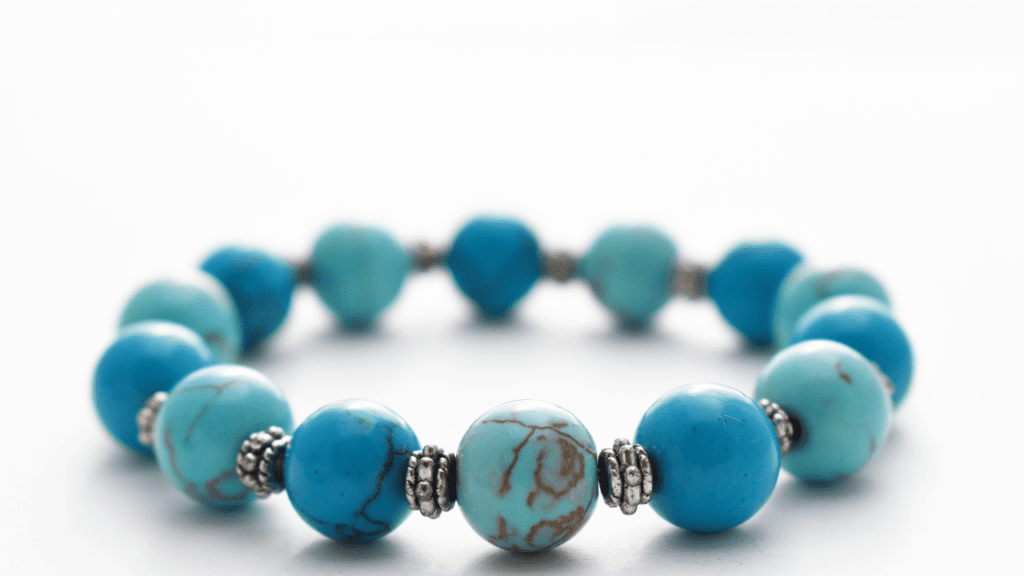
Turquoise is a hydrous phosphate of copper and aluminum, known for its distinctive blue and green shades. Its use dates back over 6,000 years to ancient Egypt, where it was crafted into jewelry and ornamental pieces. Egyptian rulers adorned themselves with this gemstone, valuing both its beauty and symbolism. They called it “Mefkat,” a word meaning “joy” and “delight.” The long history of Turquoise highlights its enduring appeal across civilizations.
A Gem Across Cultures
Turquoise has been appreciated by many cultures throughout history. Chinese artisans were carving this gemstone as early as 3,000 years ago, shaping it into decorative and artistic objects. In the 13th century, the name “Turquoise” emerged from the French term “Pierre Turques,” meaning “Turkish stone.” This name reflects how the gemstone first reached Europe through Turkish trade routes. Today, Turquoise remains an important cultural symbol and is even considered the national gem of Tibet.
Sources and Famous Deposits
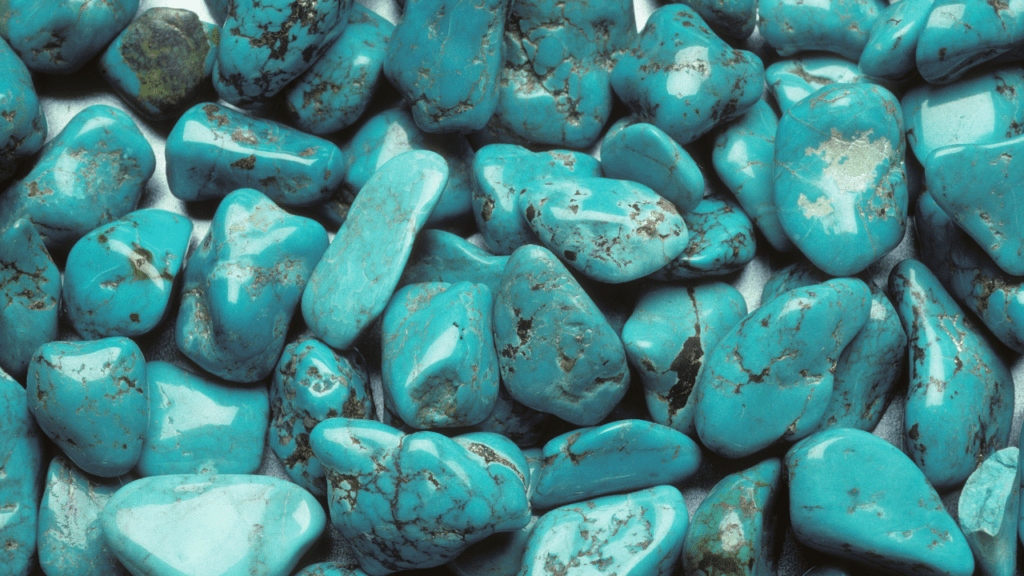
Turquoise is found in several regions around the world. Most of today’s supply comes from the southwestern United States, China, Chile, Egypt, and Mexico. One of the most historic sources is the Nishapur district in Iran, where Turquoise has been mined for over 1,000 years. Stones from this region are especially valued for their rich and even color. The variety of sources contributes to differences in appearance and quality.
Color and Value
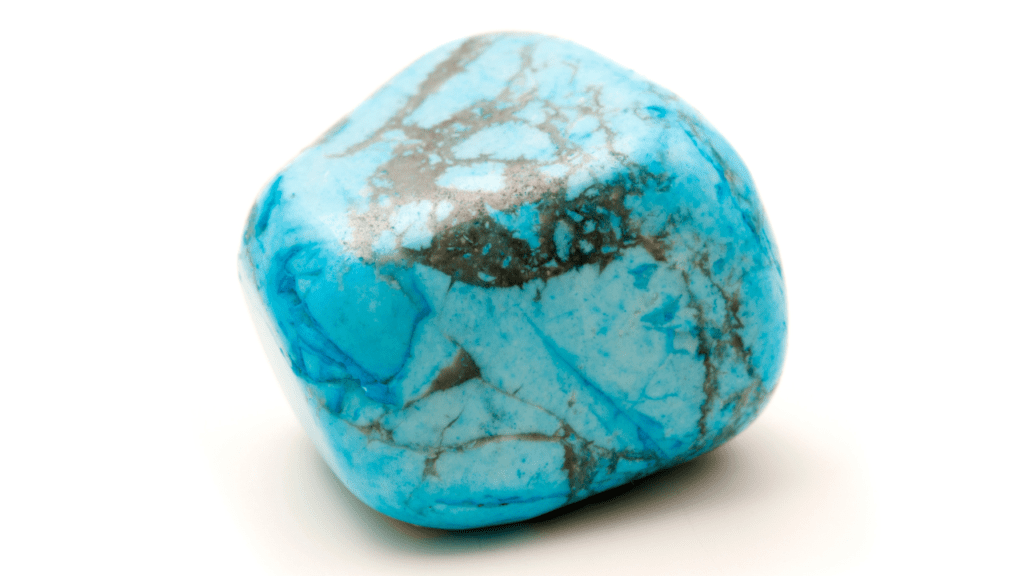
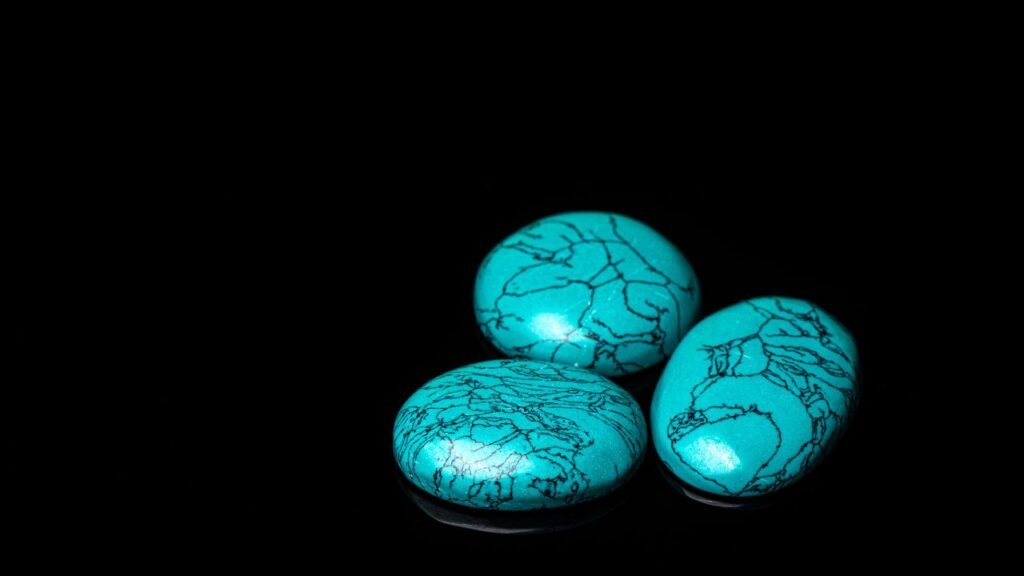
Turquoise is known for its beautiful shades, often described in trade as “Persian Blue,” “Sky Blue,” or “Robin’s Egg Blue.” Some stones contain natural patterns of their host rock, known as “matrix.” The most valuable Turquoise is typically free of matrix, showing a pure and even color. However, stones with an attractive spiderweb matrix are also highly prized. These variations make each piece unique and appealing in its own way.
Symbolism and Significance
Turquoise holds special meaning in both tradition and culture. It is recognized as the birthstone for December and is associated with the 11th wedding anniversary. The gemstone has long been linked with protection, positivity, and well-being. Its calming color and historical significance continue to make it a popular choice in jewelry. Turquoise remains a symbol of beauty that connects the past with the present.
Durability and Care
Turquoise ranks between 5 and 6 on the Mohs scale of hardness, making it softer than many other gemstones. Because of this, it requires gentle handling to avoid scratches or damage. The safest way to clean Turquoise is with a soft toothbrush dipped in soapy water. After cleaning, it should be dried carefully with a soft cloth. Proper care helps preserve its color and surface over time.
📌 Turquoise: Summary
- Hydrous phosphate of copper and aluminum
- Color: blue-green shades
- Used over 6,000 years ago in ancient Egypt;
- Called “Mefkat” meaning joy/delight
- Appreciated worldwide: China, Persia, Europe;
name provenance “Pierre Turques” = Turkish stone - Sources: Southwestern USA, China, Chile, Egypt, Mexico
Iran (Nishapur) - Trade names: Persian Blue, Sky Blue, Robin’s Egg Blue;
sometimes with “matrix” patterns - Birthstone for December
- 11th wedding anniversary gem
- Hardness: 5–6 on Mohs scale