
THOMAS JEFFERSON
The Third President of the United States
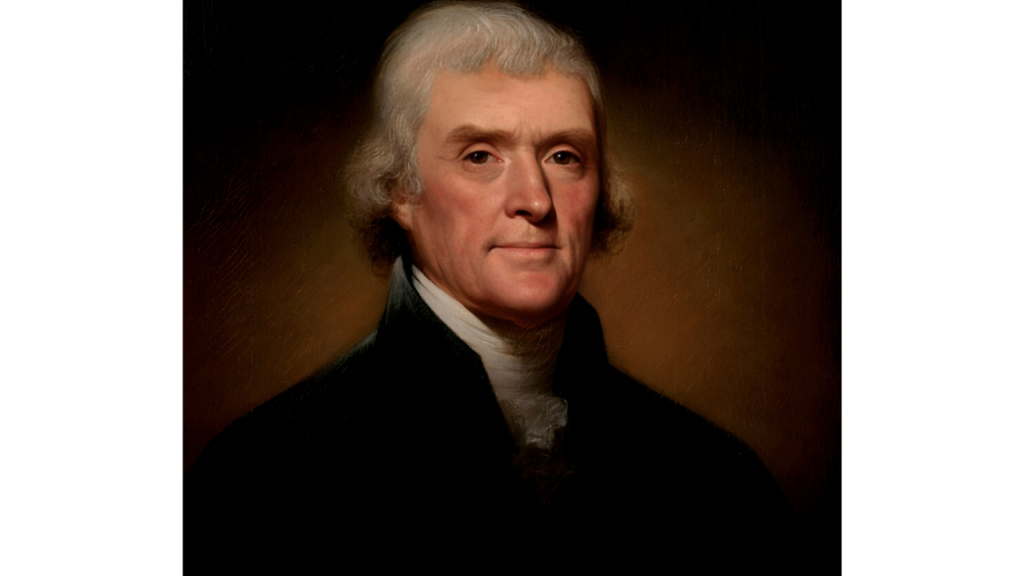
Thomas Jefferson was the third President of the United States, serving from 1801 to 1809, a Founding Father, and the main writer of the Declaration of Independence, which was adopted in 1776 and announced the American colonies’ decision to become independent from British rule. Before becoming president, Jefferson also served as Vice President under John Adams from 1797 to 1801.
1. Early Life and Education
Thomas Jefferson was born on April 13, 1743, in the Colony of Virginia. He was the third of ten children in the family of a planter and surveyor. From a young age, Jefferson was deeply interested in learning and studied languages, history, science, and the natural world. At 17, he entered the College of William & Mary, where he studied mathematics and philosophy and was introduced to the ideas of thinkers such as John Locke and Isaac Newton. After completing his studies, he trained in law while continuing to study a wide range of subjects.
2. Thomas Jefferson Enters Politics
In 1769, Jefferson entered politics as a representative in Virginia’s House of Burgesses. He supported greater religious freedom and argued that people had a natural right to liberty. As a lawyer, he also represented several enslaved people who sought their freedom. During this time, Jefferson wanted to make it easier for slave owners to legally free enslaved people without needing permission from the governor or courts. In 1774, he called for a boycott of British goods and argued that the American colonies had the right to govern themselves.
3. Monticello and Family Life
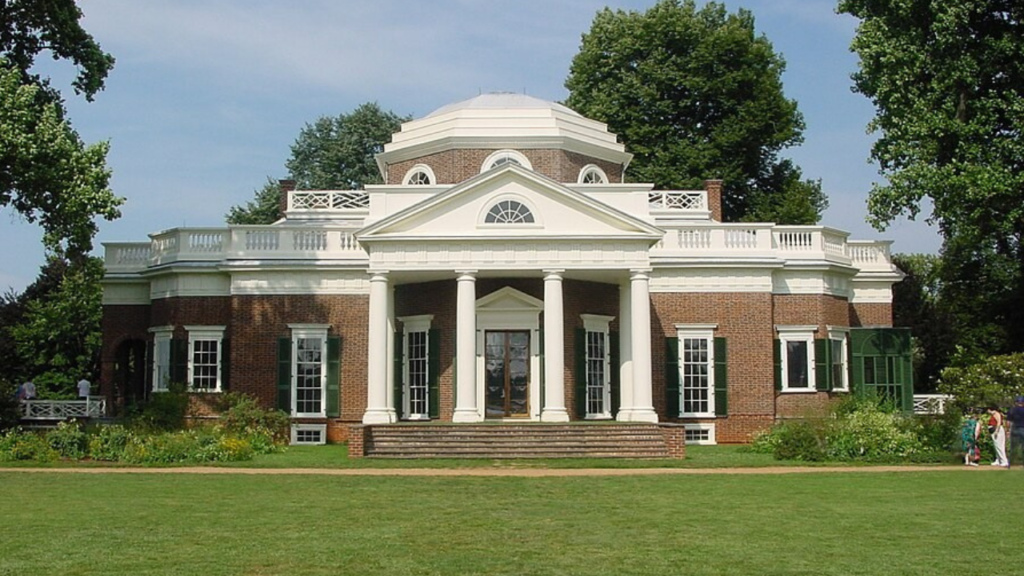
In 1768, Jefferson began building Monticello, his famous home on a hill overlooking his plantation. He personally designed and redesigned the house over many years, turning it into a remarkable example of neoclassical architecture. In 1772, Jefferson married Martha Wayles Skelton. They had six children, although only two survived to adulthood. Martha died in 1782, after ten years of marriage, leaving Jefferson deeply affected by her death.
4. The Declaration of Independence
In 1776, at the age of 33, Jefferson became a delegate to the Second Continental Congress in Philadelphia. He was chosen to draft the Declaration of Independence as a member of the Committee of Five, which also included John Adams, Benjamin Franklin, Robert Livingston, and Roger Sherman. Jefferson wrote most of the Declaration, which stated that the American colonies had the right to become independent from Britain and that all people have a natural right to liberty. Congress made changes to his original draft before adopting the Declaration on July 4, 1776.
5. Governor of Virginia
During the American Revolution, Jefferson served as Governor of Virginia from 1779 to 1780 and helped shape the state’s new laws. He supported religious freedom, public education, and changes to inheritance laws. He also worked to reduce the power of Virginia’s wealthy landowners and promote greater equality under the law.
6. Jefferson in the Congress of the Confederation
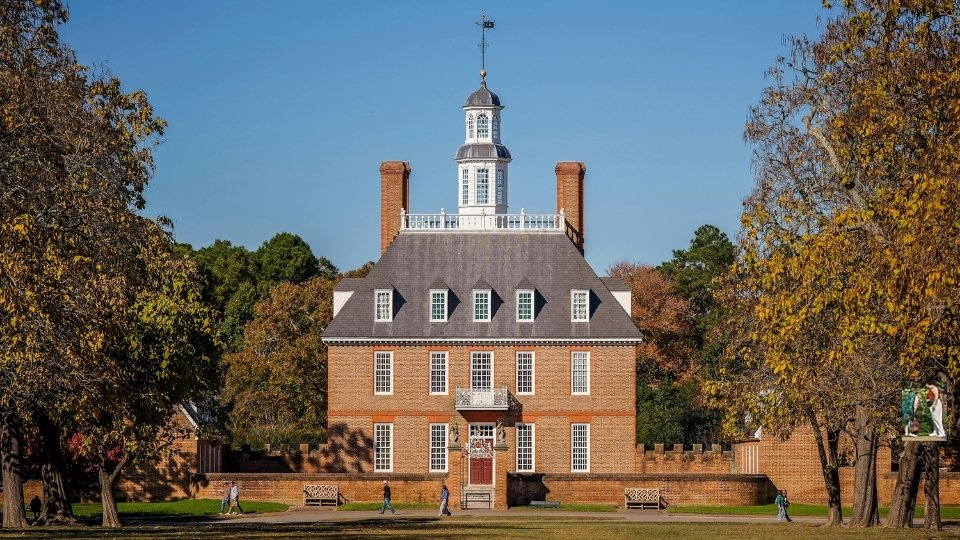
After the American Revolution, Jefferson served in the Congress of the Confederation, where he helped shape plans for the new United States. In 1784, he proposed dividing western territories into new states and banning slavery there. Congress rejected the slavery ban at the time, but a similar ban was included in the Northwest Ordinance of 1787.
7. Jefferson in France
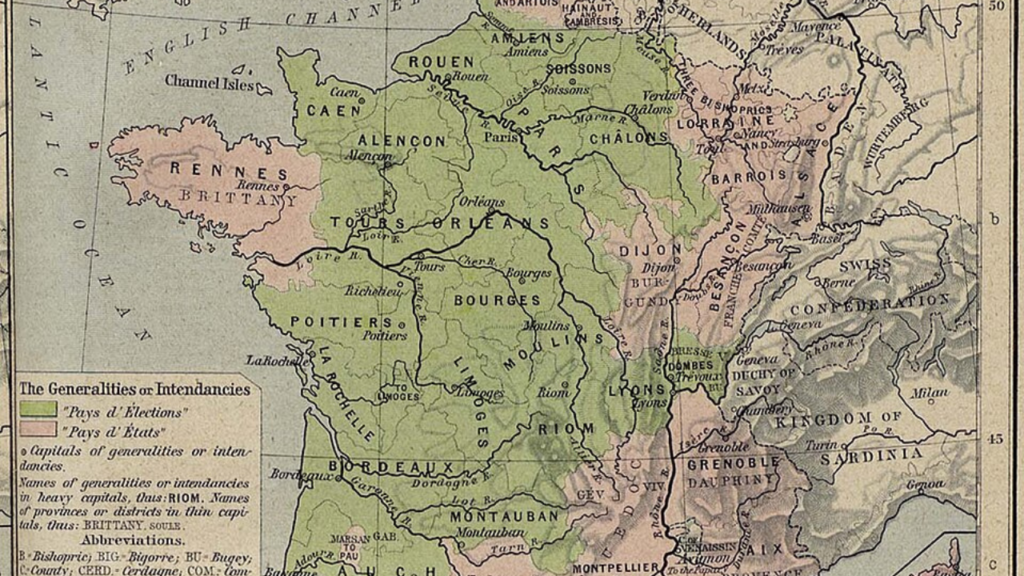
In 1784, Jefferson was sent to Paris to help negotiate treaties for the United States and later succeeded Benjamin Franklin as Minister to France. He spent five years in France, helping shape American foreign policy and developing close ties with French revolutionary leaders. He witnessed the beginning of the French Revolution and advised the Marquis de Lafayette, a French hero of the American Revolution, while Lafayette worked on the Declaration of the Rights of Man and of the Citizen.
8. Secretary of State
Soon after returning from France, Jefferson accepted President George Washington’s invitation to serve as Secretary of State. He soon came into conflict with Treasury Secretary Alexander Hamilton over the power of the federal government, the national debt, and the country’s financial system. Jefferson favored greater power for the states, while Hamilton supported a stronger national government. Jefferson and James Madison became leaders of the opposition to Hamilton’s policies and helped establish the Democratic-Republican Party. Jefferson also supported France during its conflict with Britain and opposed the 1794 Jay Treaty, which strengthened relations between the United States and Britain. In December 1793, Jefferson resigned as Secretary of State and returned to private life at Monticello.
9. The Rise of the Democratic-Republican Party
In 1792, Jefferson became increasingly concerned about political divisions in the young United States. He urged President Washington to seek a second term and act as a unifying influence. At the same time, Jefferson, James Madison, and their supporters were developing the principles of the Democratic-Republican Party. They favored greater power for the states and local governments and opposed concentrating too much power in the federal government, which they believed was becoming too influenced by banks and financial interests. Hamilton and the Federalists, in contrast, supported a stronger national government.
10. Vice President
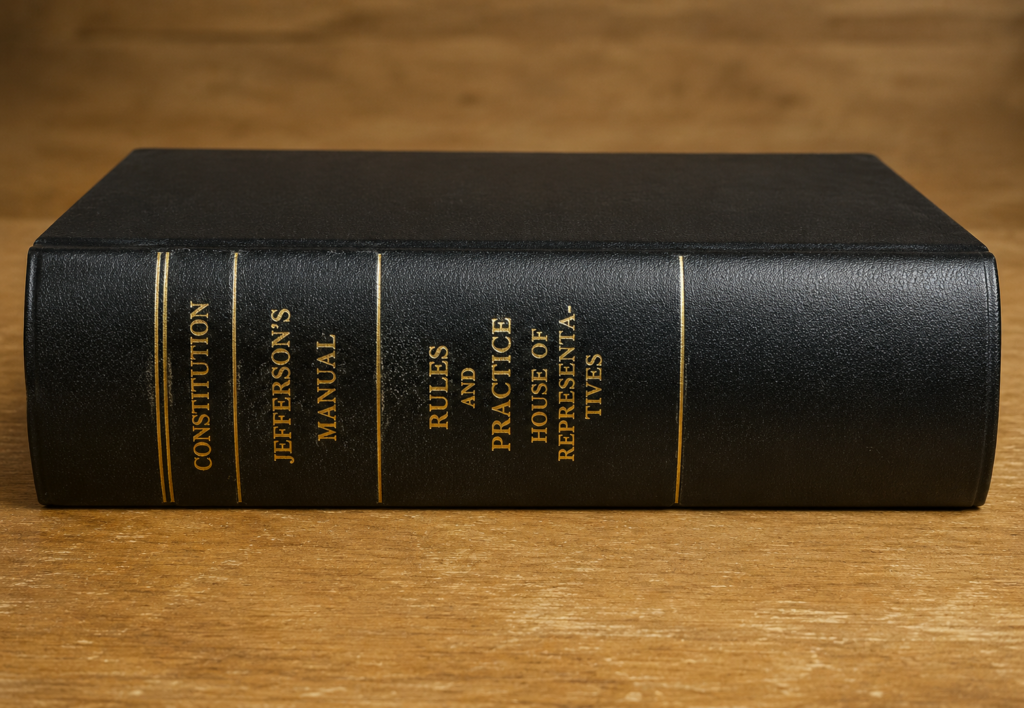
In the 1796 presidential election, Jefferson finished second to Federalist John Adams and became vice president under the electoral system of the time. As president of the Senate, he took a limited role in debates and focused mainly on parliamentary procedure. In 1800, Jefferson published A Manual of Parliamentary Practice, a book based on his notes about Senate procedures. It was the first American book about the rules used to conduct meetings and debates.
11. The Election and Presidency of 1800
Jefferson ran against John Adams again in the bitterly contested election of 1800. Jefferson and his running mate, Aaron Burr, received an equal number of electoral votes, so the decision went to the House of Representatives. After 36 ballots, the House elected Jefferson president and Burr vice president. The election marked the first peaceful transfer of power from one political party to another in U.S. history.
12. The Inauguration of 1801
On March 4, 1801, Jefferson took office as the third president of the United States at the new Capitol in Washington, D.C. Chief Justice John Marshall administered the oath. Outgoing President John Adams did not attend the ceremony, leaving Washington before Jefferson took office. Jefferson preferred a simple and informal style. Instead of arriving at the Capitol in a carriage, he walked there from his nearby boardinghouse with friends. In his inaugural address, he called for reconciliation between Republicans and Federalists, reminding Americans that they were “brethren of the same principle.” He also emphasized equality, freedom of speech, freedom of religion, freedom of the press, and respect for minority rights.
13. Reducing the National Debt
Jefferson’s first major challenge as president was reducing the $83 million national debt. Working with Treasury Secretary Albert Gallatin, he cut taxes and government expenses and reduced the size of the military. By the end of his presidency, the national debt had fallen to about $57 million.
14. The Louisiana Purchase
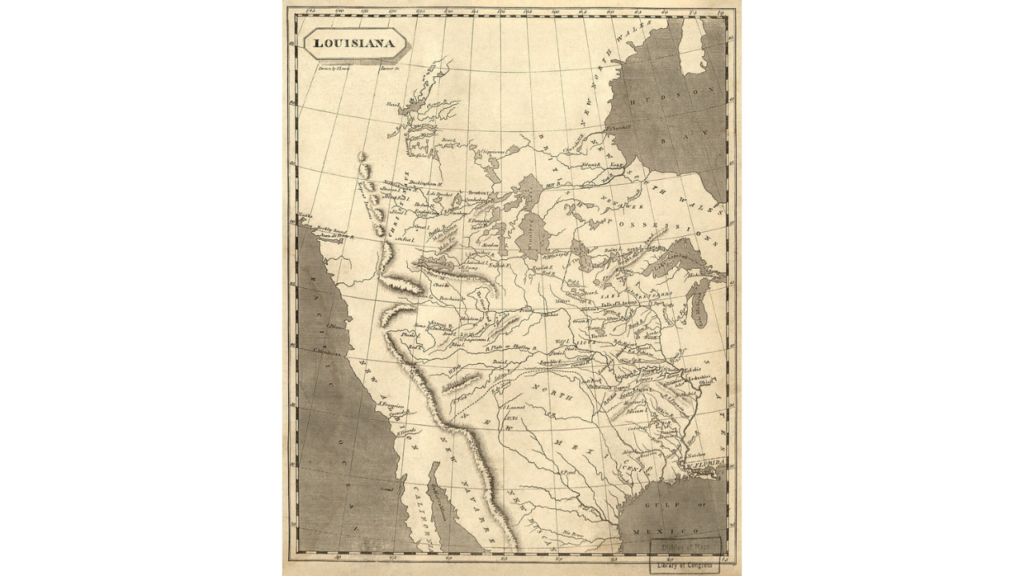
One of Jefferson’s greatest achievements as president was the Louisiana Purchase of 1803. When France took control of the vast Louisiana Territory from Spain, Jefferson became concerned that French control of the region could threaten American access to the Mississippi River and the port of New Orleans. He sent James Monroe and Robert R. Livingston to negotiate with France, originally seeking to purchase New Orleans and nearby territory for $10 million. However, Napoleon needed funds for his wars in Europe and unexpectedly offered to sell the entire Louisiana Territory to the United States for $15 million. The purchase nearly doubled the size of the United States and gave the young nation control of the Mississippi River and important trade routes.
15. Jefferson and Native Americans
Jefferson believed that Native Americans were equal to Europeans in intelligence and physical abilities. However, he believed that Native Americans should adopt European-American ways of life, especially farming and settled communities. As president, he promoted a policy known as the “civilization program,” which encouraged Native American tribes to adopt these practices and maintain peaceful relations with the United States.
At the same time, Jefferson supported the expansion of the United States into western territories. This expansion brought American settlers into increasing conflict with Native American nations and put pressure on their lands. Some groups, including the Shawnees led by Black Hoof, the Muscogee, and the Cherokee, accepted Jefferson’s policies. However, other Shawnees, led by Tecumseh, broke away from Black Hoof and resisted the growing American presence in their territories.
16. Founding the University of Virginia
Education was very important to Jefferson, who believed it could help create a stable and democratic society. He envisioned a university free from church influence and open to students based on ability. In 1819, Jefferson founded the University of Virginia and helped design its buildings and curriculum. He served as its first rector, and the university opened in 1825.
17. Death and Legacy
Thomas Jefferson died on July 4, 1826, at the age of 83, at his home, Monticello, in Virginia.
His contributions to the founding of the United States, the Declaration of Independence, the Louisiana Purchase, religious freedom, and education continue to shape the country. His ideas about liberty, individual rights, and self-government had a lasting influence on American political thought.
Inspired by the leaders who shaped American history, discover the U.S. Presidents Wall Art Collection, a curated collection of artistic portraits to collect, display, and enjoy as your own timeless gallery of American history.

📌 Thomas Jefferson: Summary
- Born: April 13, 1743, in Virginia
- Third President of the United States: Served from 1801–1809
- Founding Father: Played a major role in the founding of the United States
- Declaration of Independence: Main author of the Declaration, adopted on July 4, 1776
- Virginia Politics: Served in the House of Burgesses and supported religious freedom and individual liberty
- Vice President: Served under John Adams from 1797–1801
- Louisiana Purchase: Purchased the Louisiana Territory from France in 1803, nearly doubling the size of the United States
- Political Party: Helped develop the Democratic-Republican Party with James Madison
- International Slave Trade: Signed the 1807 law banning the importation of enslaved people into the United States beginning in 1808
- University of Virginia: Founded the University of Virginia in 1819 and helped design its buildings and curriculum
- Died: July 4, 1826, at his home, Monticello, at age 83
- Legacy: His ideas about liberty, individual rights, and self-government had a lasting influence on American political thought.