Sphene

Extraordinary Gemstone With
Greater Dispersion Than Diamonds

What Is Sphene?

Sphene, also known by its mineral name titanite, is a rare gemstone composed of calcium, titanium, and silicate. In some specimens, additional elements such as aluminum, chromium, manganese, and iron may be present. It can even contain rare earth elements like niobium, cerium, and yttrium, which make each stone unique. Because of its complex composition, sphene is highly valued by collectors. Although beautiful, it remains lesser-known compared to more common gemstones.

titanite
Sphene is also known by its mineral name titanite

Exceptional Fire and Optical Beauty

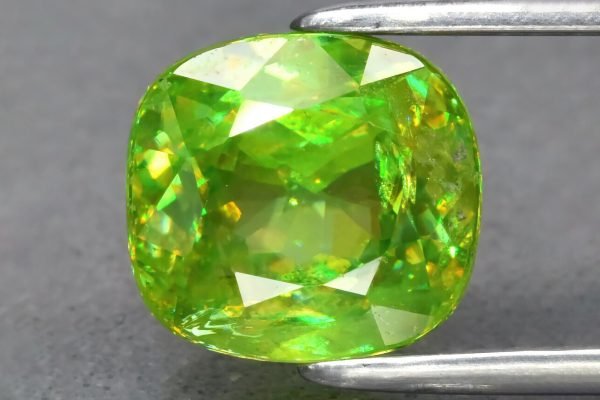
One of sphene’s most remarkable features is its exceptional dispersion, which is even higher than that of diamond. Dispersion is the ability of a gemstone to separate light into flashes of different colors, often called “fire.” This gives sphene a lively, sparkling appearance that immediately catches the eye. In addition, sphene is a pleochroic gemstone, meaning it can display different colors when viewed from different angles. This optical behavior adds depth and visual interest to the stone.

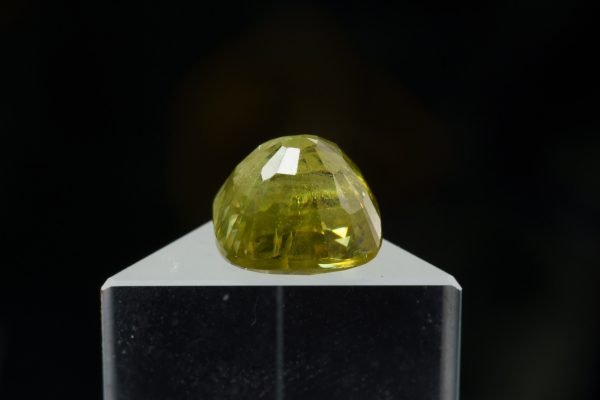
Sphene occurs in many natural colors, including yellow, green, brown, and black

A Wide Range of Colors

Sphene occurs in many natural colors, including yellow, green, brown, and black. Pink, orange, and red varieties are much rarer and highly sought after. Iron plays a major role in determining color, with higher amounts producing darker stones and lower amounts creating lighter shades. Chromium can also influence the color, creating vivid green stones known as chrome sphene. Some reddish sphene stones gain their color from manganese and are called greenovite.

It can contain rare earth elements like niobium, cerium, and yttrium, which make each stone unique

Name, Shape, and Natural Sources

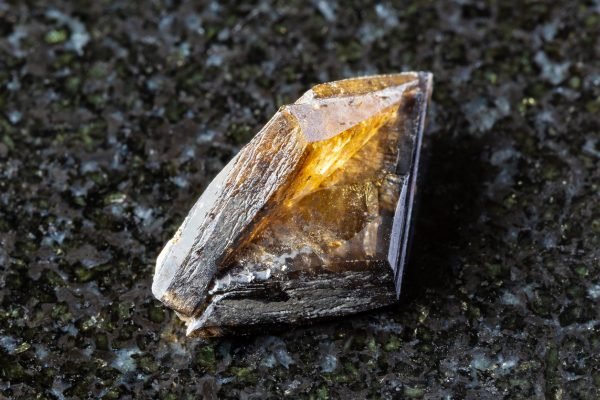
The name sphene comes from the Greek word sphenos, meaning “wedge,” referring to the gemstone’s typical wedge-shaped crystal form. Sphene deposits are found in several parts of the world, including Brazil, India, Kenya, Myanmar, and Sri Lanka. Additional sources include Mexico, Austria, Madagascar, and the United States. These global locations contribute to the wide variety of colors and qualities seen in sphene gemstones. Each origin adds its own subtle characteristics to the stone.

Durability, Meaning, and Care

Sphene has a hardness of about 5 to 5.5 on the Mohs scale, making it softer than many popular gemstones. Because of this, it is best suited for jewelry that is worn carefully. Spiritually, sphene is believed to be a soothing and calming stone that helps protect the wearer from negative energies. Proper care is essential to maintain its beauty over time. The safest way to clean sphene jewelry is by gently using a soft toothbrush with warm, soapy water.

Login Required