
MORGANITE
Named in Honor of J.P. Morgan
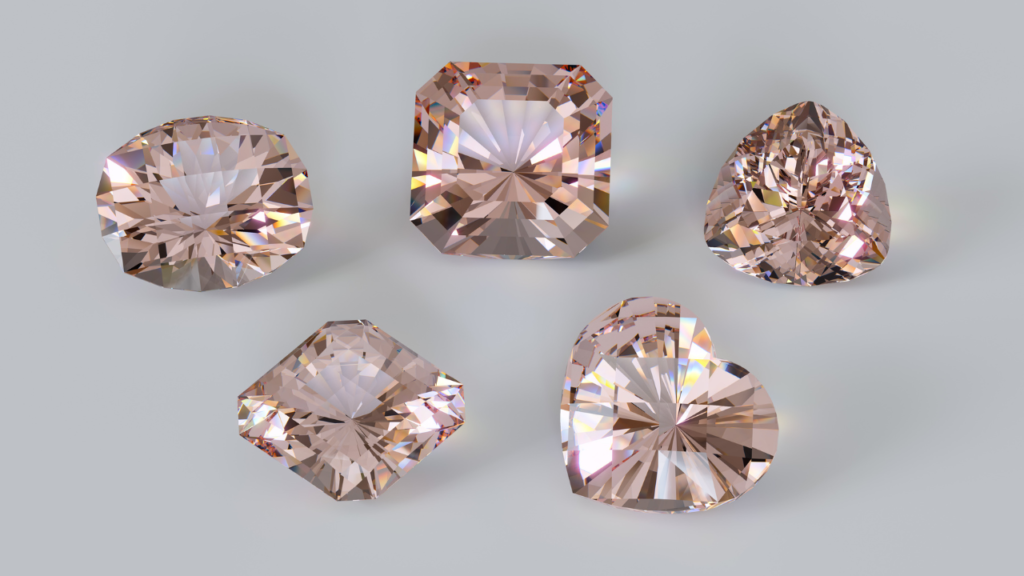
Morganite is a gemstone with a history that connects natural beauty with the world of gem collecting. Its story includes an influential figure whose name became permanently associated with this distinctive gemstone.
1. What Is Morganite
Morganite is a gemstone that belongs to the beryl family. Beryl is a mineral that occurs in several well-known gemstone varieties. Two of the most famous are emerald and aquamarine.
2. What Color Is Morganite
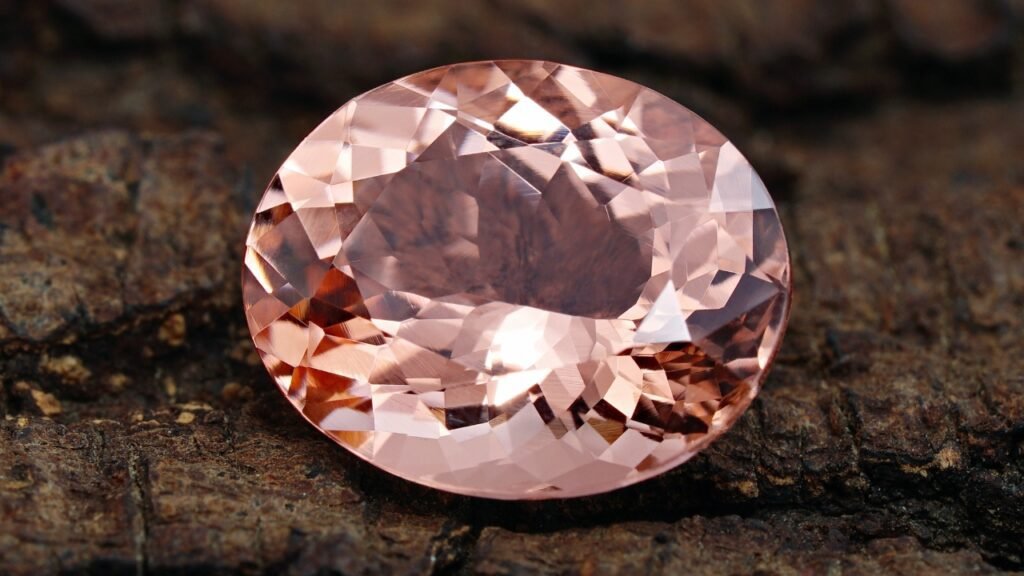
Morganite’s delicate pink to orange-pink color comes from the presence of manganese in the stone. The color can range from very light pink to deeper shades of pink and peach. These soft hues give morganite its distinctive appearance.
3. How Morganite Got Its Name
Morganite was first discovered in Madagascar in 1910 and was originally called “Pink Beryl.” Later that year, on December 5th, Tiffany & Co.’s chief gemologist George Frederick Kunz proposed the name “Morganite.” He named it in honor of J.P. Morgan, the American financier who supported the arts and sciences. This gave the gemstone both a rich history and a prestigious connection.
4. Main Sources of Morganite
Today, most Morganite sold on the market comes from Minas Gerais in Brazil. Smaller amounts are also found in Afghanistan, Mozambique, Namibia, and the United States. These locations produce stones of different qualities and shades, offering a wide variety for collectors and jewelers alike.
5. Morganite in Engagement Rings
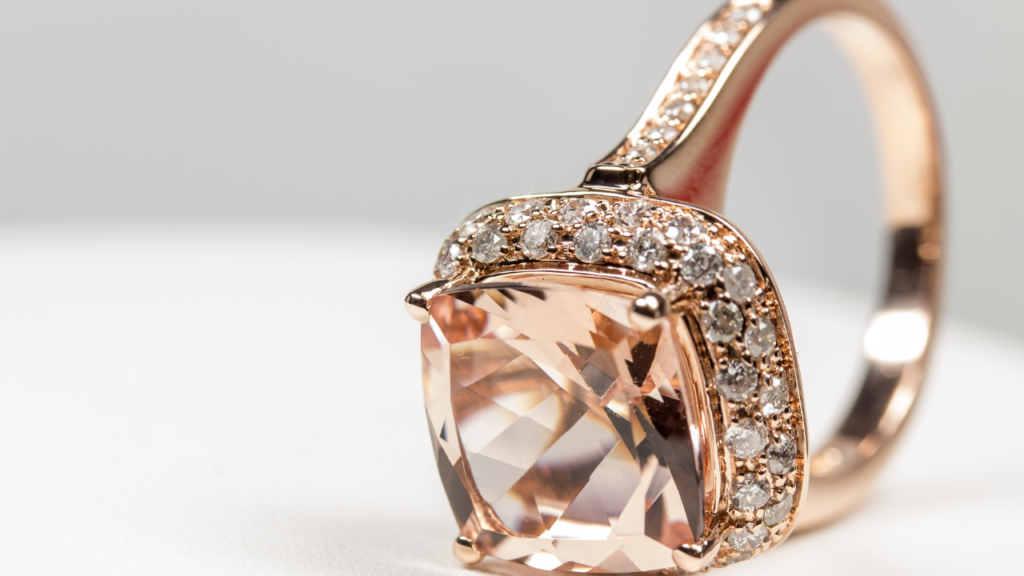
While diamonds remain the most popular choice for engagement rings, Morganite has gained popularity in recent years. In fact, after sapphire, it is now the second most commonly used colored gemstone for center stones in engagement rings. Its delicate pink tones symbolize romance, making it a meaningful alternative to traditional gems
6. Hardness of Morganite
Morganite has a hardness of 7.5 to 8 on the Mohs scale, making it a durable gemstone suitable for everyday wear. It is harder than many commonly used gemstones and can withstand normal use. However, it can still be scratched by harder materials, so it should be handled with care.
7. How to Clean Morganite
The safest way to clean Morganite is with warm, soapy water and a soft cloth or brush. Gently clean the stone without applying too much pressure. Avoid harsh chemicals and ultrasonic cleaners, as they could damage the stone.
8. Refractive index
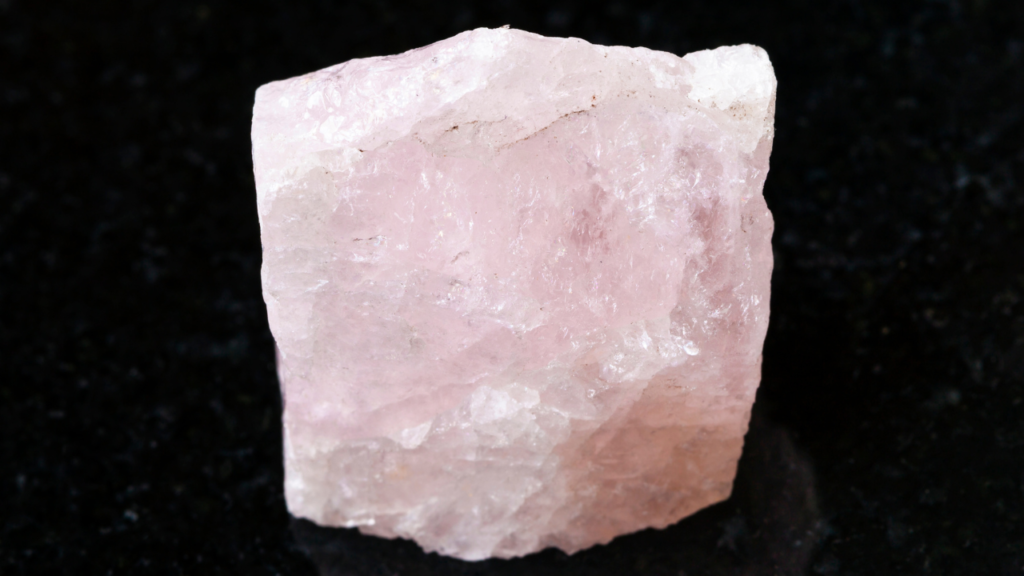
The refractive index of morganite is approximately 1.583–1.590. This relatively moderate refractive index gives morganite a soft, gentle reflection and a subtle sparkle when it is properly cut and polished.
Inspired by the remarkable beauty of morganite, discover the Gemstone Fusion Wall Art Collection, a curated set of three artistic pieces designed to capture the unique colors and character of this extraordinary gemstone.

📌 Morganite: Summary
- Pink to peach gemstone from the Beryl family
- Color comes from manganese
- Discovered in 1910 in Madagascar, originally called “Pink Beryl”
- Named after J.P. Morgan by Tiffany & Co.’s chief gemologist George Frederick Kunz
- Main sources: Brazil (Minas Gerais), Afghanistan, Mozambique, Namibia, USA
- Popular in engagement rings for its romantic appeal
- Mohs hardness 7.5–8, durable for everyday wear