Moldavite

The Mysterious Gemstone
of Extraterrestrial Origin

What is Moldavite?

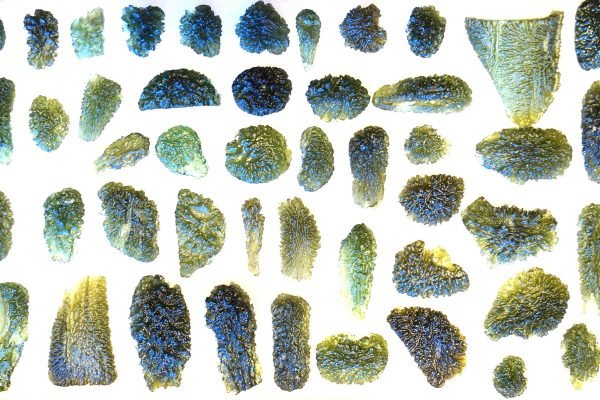
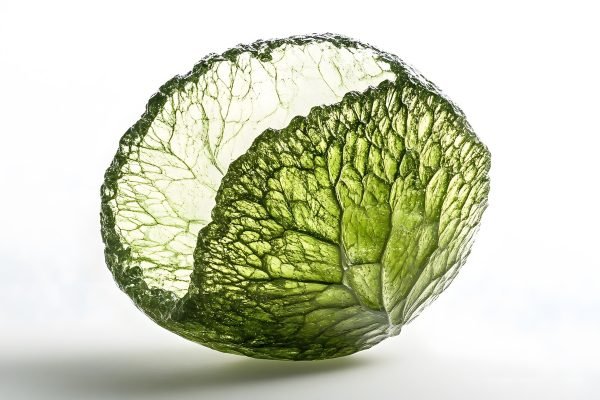
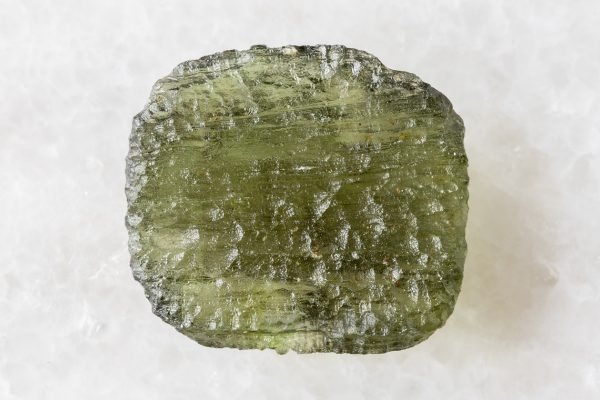
Moldavite is a rare type of natural glass rock that belongs to the mineral group called Tektites. It is known for its unique green shades, ranging from olive green and forest green to blue-green. This gemstone often contains fascinating swirls and bubbles inside, giving it a distinctive mossy appearance. 

moldavite
Moldavite is a rare natural glass rock from the Tektite mineral group

Discovery and Naming

Moldavite was first recognized in 1787 under the name “chrysolite.” In 1836, scientists renamed it “moldavite” after a major source near the Moldau (Vltava) River in Bohemia, Czech Republic. The name reflects its geographic origin and has been used ever since. 

Moldavite was formed about 15 million years ago

How Moldavite Was Formed

Moldavite was formed about 15 million years ago when a meteorite struck southern Germany, creating the Nördlinger Ries crater. The extreme heat from the impact melted parts of the Earth’s surface. This molten material was thrown into the atmosphere, where it cooled, hardened, and fell back to Earth, mostly in what is now the Czech Republic. This dramatic formation process gives moldavite its unique structure and appearance.


moldavite
In 1836, scientists named it “moldavite” after a major source near the Moldau (Vltava) River in Bohemia, Czech Republic.

Strewn Fields and Distribution

The areas where moldavite landed after the meteorite impact are called “strewn fields.” The largest and most famous strewn field is in Bohemia, while smaller areas are found in Moravia, Austria, and Germany. These regions remain the primary sources of authentic moldavite today. Because it is naturally rare, moldavite is highly prized among collectors and gem enthusiasts.


Characteristics and Identification

Moldavite can be transparent or translucent, often with internal swirls and bubbles that enhance its green color. It can be distinguished from green glass imitations by worm-like inclusions of lechatelierite, a mineraloid formed during sudden events like meteorite impacts. These unique inclusions make each piece of moldavite one-of-a-kind. Its hardness is 5 on the Mohs scale, which requires careful handling in jewelry.


Symbolism and Care

Moldavite is believed to inspire personal growth, transformation, and positive change. Many people wear it as a talisman for emotional and spiritual development. To keep moldavite jewelry in good condition, it should be cleaned gently with warm, soapy water and a soft toothbrush. Avoid harsh chemicals or abrasive materials to protect its delicate surface.


Login Required