
LAPIS LAZULI
From Gemstone to Ultramarine Blue Pigment
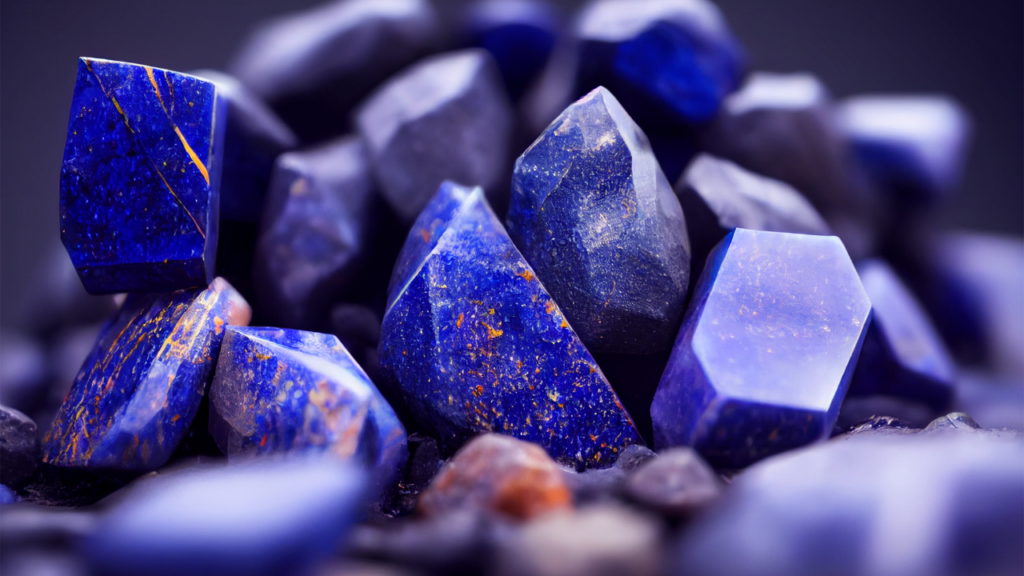
Lapis lazuli is a captivating blue gemstone that has been prized for thousands of years, both for its beauty and its cultural significance. Beyond jewelry and ornament, this ancient stone played an important role in the history of art, becoming the source of the famous blue pigment known as ultramarine.
1. What Is Lapis Lazuli
lapis lazuli, often called simply lapis, is a striking blue rock made of calcite, pyrite, and at least 25% blue lazurite. The mineral lazurite is responsible for the stone’s most valued shade—an intense royal blue color. Raw lapis is usually large in size and shows an opaque deep blue tone, often highlighted by white calcite veins and shimmering gold pyrite grains. These natural patterns and colors make each piece visually unique and instantly recognizable.
2. The Meaning Behind the Name
The name “lapis” comes from the Latin word for “stone,” while “lazuli” derives from the Medieval Latin term lazulum, meaning “sky” or “heaven.” This connection to the sky reflects the stone’s celestial blue appearance. Its heavenly color made it a symbol of beauty, wisdom, and prestige throughout history. Over time, lapis lazuli became admired not only for its beauty but also for the cultural and spiritual significance associated with its name.
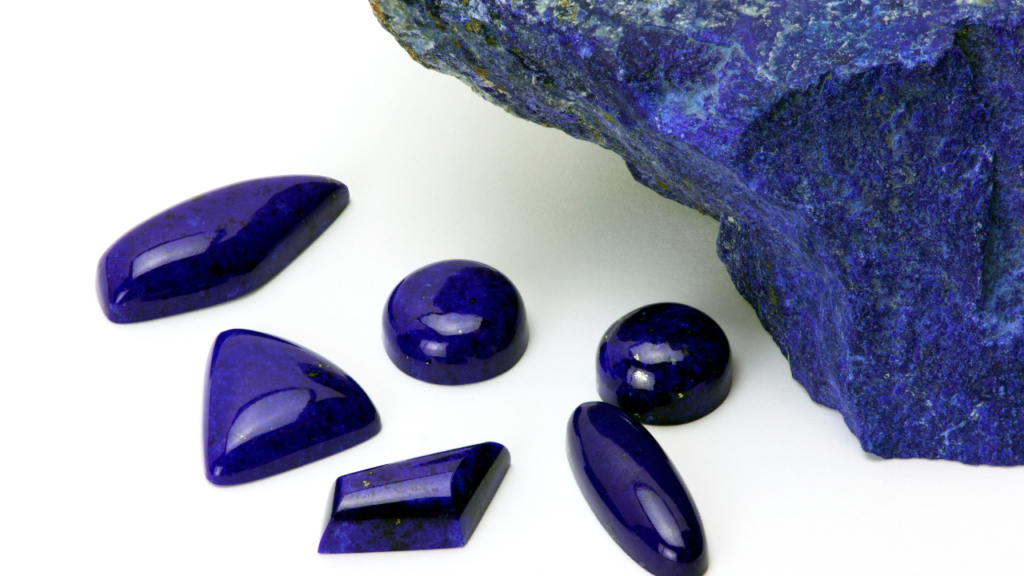
3. Characteristics and Uses
Lapis lazuli is prized for its deep blue color and its ability to display golden pyrite flecks that sparkle under the light. Some pieces are dyed to enhance their color before being sold as a gemstone or carving. The stone is commonly used in jewelry as inlays, cabochons, and beads because of its rich and eye-catching appearance. High-quality lapis shows a vivid deep blue to dark violet-blue tone, while lower-quality pieces may be dull, greenish, or contain large amounts of white calcite matrix.
4. Sources Around the World
For thousands of years, Afghanistan has remained the most important source of the highest-quality lapis lazuli. Its mines have been producing the finest stones known to history, valued for their intense and vibrant color. Other countries that supply significant amounts of lapis include Chile, Russia, Canada, Argentina, Pakistan, and the United States. Each region contributes a unique type of material, adding to the global diversity of this stone.
5. Lapis Lazuli in Ancient History
Lapis lazuli has been used for more than 6,500 years to create beads, small sculptures, and pieces of jewelry. Archaeologists have found ancient lapis artifacts in Neolithic sites across Iraq, Pakistan, and Afghanistan, showing how widely it was treasured. The stone also appeared in important Egyptian archaeological discoveries dating back to around 3000 BC. Its long history highlights its enduring appeal and the value ancient civilizations placed on its color and beauty.
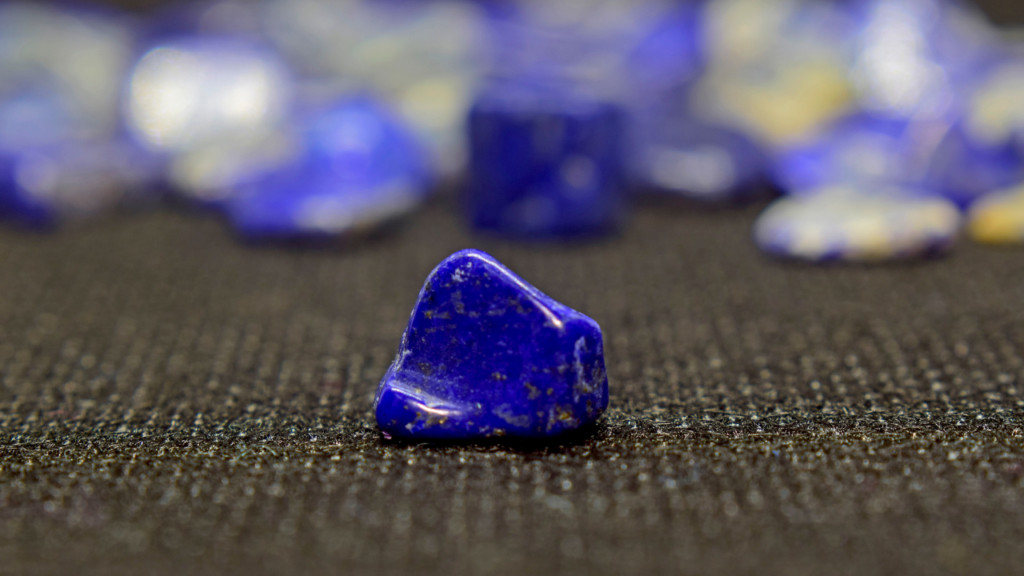
6. From Gemstone to Ultramarine Blue
For nearly a thousand years, high-quality lapis lazuli was ground into powder and transformed into the famous pigment known as “ultramarine blue.” This pigment was extremely costly, making it a luxury material in Renaissance paintings and well into the 1800s. Only highly skilled artists or those with wealthy patrons could afford to use it. Because of this exclusivity, artworks featuring true ultramarine are still considered exceptional today.
7. Hardness and Cleaning
Lapis ranks between 5 and 6 on the Mohs scale of hardness, meaning it is relatively soft and should be handled with care. To keep lapis looking its best, clean it gently using mild soap and warm water. Proper care preserves its brilliance and ensures that its natural beauty can be enjoyed for years.
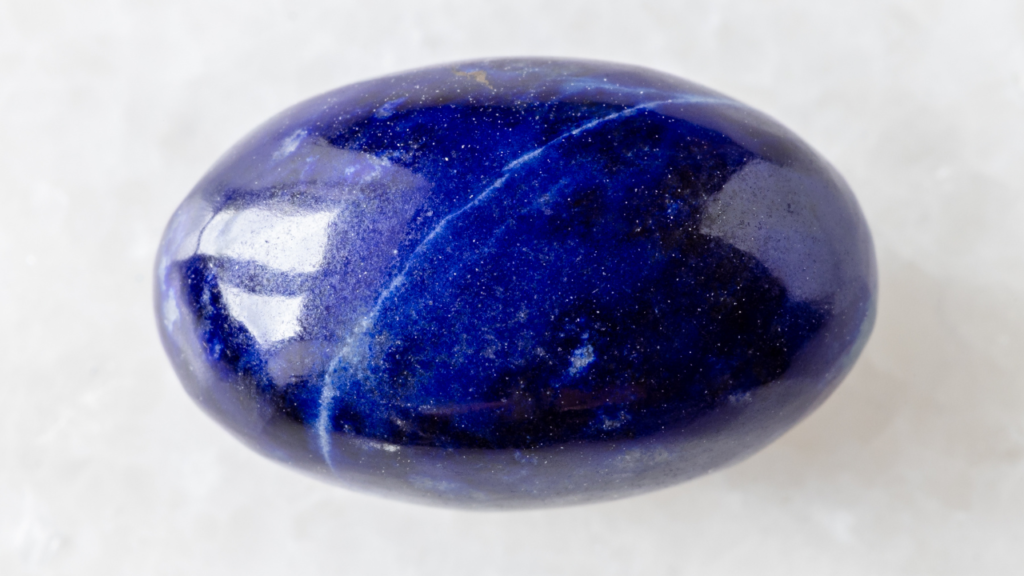
8. Refractive index
Lapis lazuli has a refractive index of approximately 1.50–1.67, although the value can vary because it is a rock made up of several minerals. This optical property describes how much light bends as it passes through the material.
Inspired by the remarkable beauty of lapis lazuli, discover the Gemstone Fusion Wall Art Collection, a curated set of three artistic pieces designed to capture the unique colors and character of this extraordinary gemstone.

📌 Lapis Lazuli: Summary
- Deep blue rock rich in lazurite
- Contains calcite (white) and pyrite (gold flecks)
- Color: royal blue to violet-blue
- Name means “stone of the sky”
- Used for over 6,500 years
- Major source: Afghanistan
- Also found in Chile, Russia, USA, Pakistan
- Used to make ultramarine pigment in art
- Hardness: 5–6 on Mohs scale