
JAMES MADISON
The Fourth President of the United States
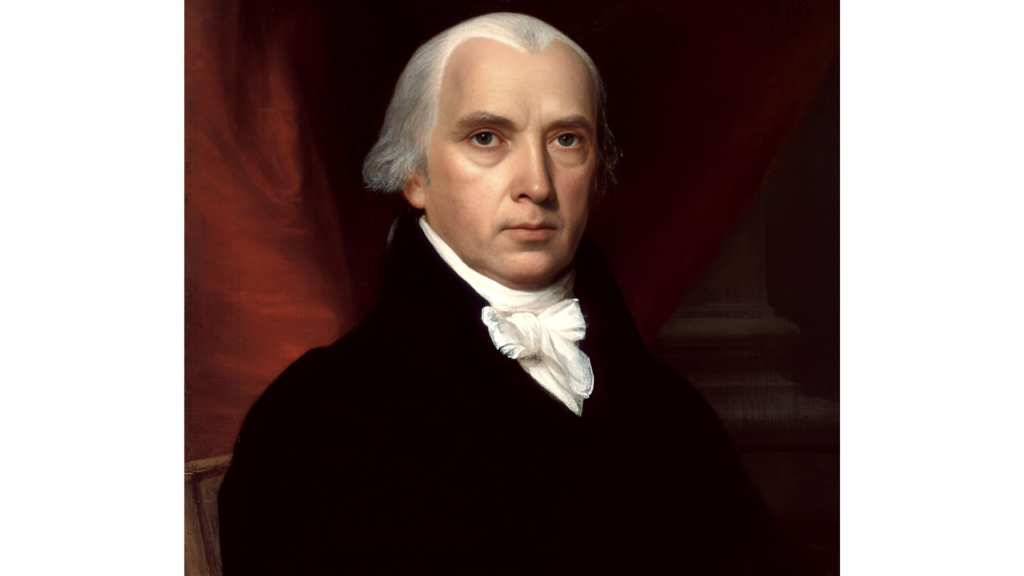
James Madison served as the fourth president of the United States from 1809 to 1817. One of the nation’s Founding Fathers, he helped shape the nation’s system of government and was instrumental in the development of both the Constitution and the Bill of Rights. His important contribution to the nation’s founding earned him the title “Father of the Constitution.”
1. Early Life and Education
James Madison was born on March 16, 1751, in the Colony of Virginia. He came from a wealthy plantation family and was the eldest of twelve children. His education began with private tutors, and in 1769 he entered the College of New Jersey, now Princeton University. He studied classical languages, theology, political philosophy, and Enlightenment ideas, while also developing strong skills in speech and debate. Madison completed his three-year degree in only two years and graduated in 1771.
2. Madison and the American Revolution
The growing conflict between Britain and its American colonies shaped Madison’s early political views. The Stamp Act of 1765 imposed a direct tax on the colonies and sparked strong opposition. Madison shared the view that Parliament had gone beyond its authority and, when the Revolutionary War began in 1775, aligned himself with the Patriot cause.
3. Religious Freedom
Religious freedom became an important part of James Madison’s political beliefs. During his early political career in Virginia, he opposed the government’s support of an established church and argued that religious institutions should not receive special treatment from the state. Madison believed that people should have the freedom to practice their faith according to their own beliefs without government interference. He also saw religious liberty as an important protection against the concentration of political and religious power.
4. Early Political Career
Madison entered Virginia politics during the Revolutionary War and quickly became an important political figure. In 1775, he was appointed a colonel in the Orange County militia although he never served as a combat soldier, and later became a delegate to the Virginia Convention, which helped establish the state’s first constitution. He went on to serve in the Virginia House of Delegates and on the governor’s Council of State.
In 1780, Madison joined the Continental Congress, where he gained valuable experience in national government. During his time in Congress, he witnessed serious financial problems, inflation, and disagreements among the states. He became convinced that the national government created under the Articles of Confederation was too weak to manage the new country effectively. These experiences strengthened his belief in the need for a stronger federal government and helped prepare him for his leading role in the creation of the U.S. Constitution.
5. The Constitutional Convention
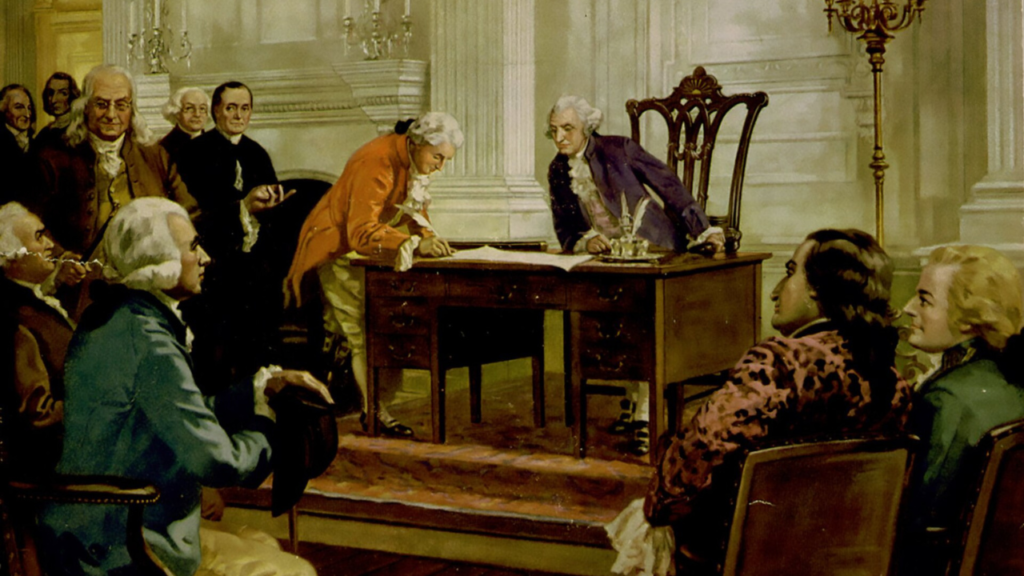
In 1787, James Madison became one of the main leaders at the Constitutional Convention in Philadelphia. The delegates met to create a new system of government for the United States. Madison worked with other Virginia delegates to develop the Virginia Plan, which proposed three branches of government: legislative, executive, and judicial. It also called for a two-house Congress, made up of the Senate and the House of Representatives.
The Virginia Plan became an important starting point for the Convention and called for replacing the Articles of Confederation with a stronger national government. Another major issue was how to represent states of different sizes. The final agreement gave larger states more representatives in the House based on population, while every state received the same number of senators.
6. Ratification of the U.S. Constitution
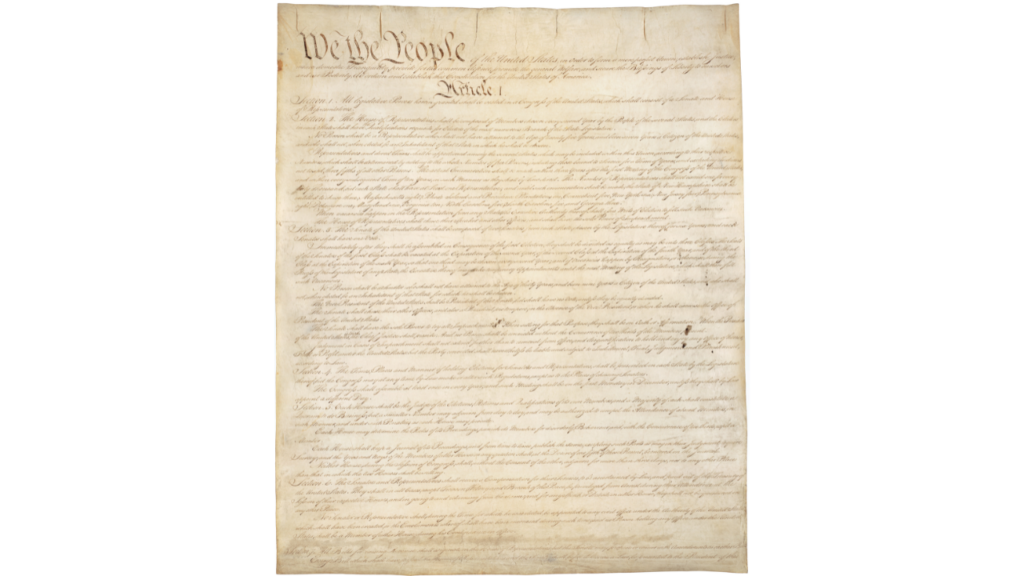
On June 25, 1788, Virginia’s ratifying convention voted 89 to 79 to approve the U.S. Constitution. The decision was an important victory for Madison and other supporters of the new federal government.
After Virginia approved the Constitution, Madison ran for a seat in the House of Representatives. During the campaign, he promised to support amendments that would protect individual liberties. He won the election in 1789 and became a member of the first U.S. Congress, where he would soon work to add these protections to the Constitution.
7. The Bill of Rights
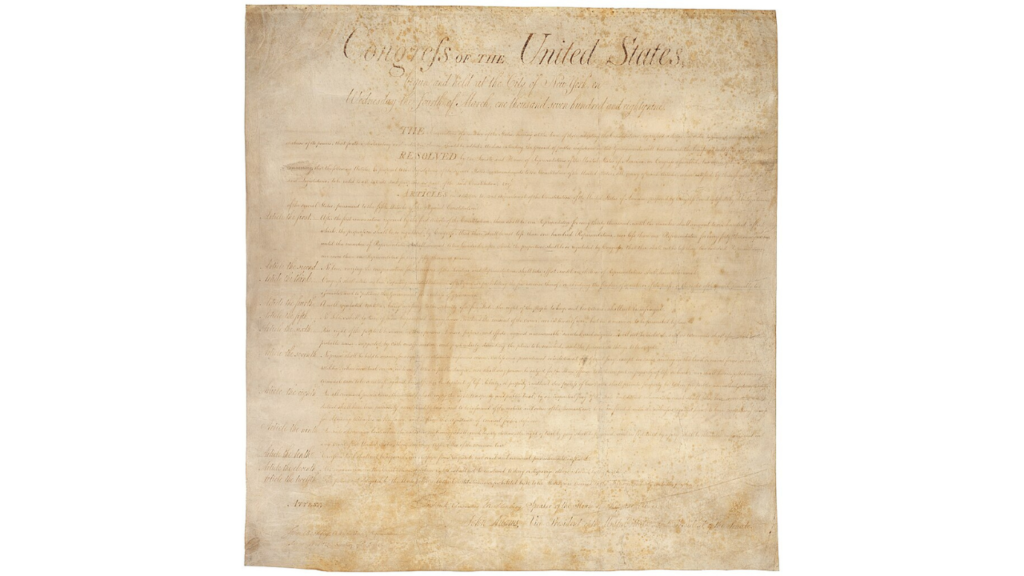
Madison played a leading role in adding protections for individual liberties to the new U.S. government. During the first Congress, he reviewed more than 200 proposed amendments submitted by the states. On June 8, 1789, he presented them to Congress, including protections for freedom of religion, freedom of speech, freedom of the press, and the right to peaceful assembly.
Congress debated Madison’s proposals and eventually approved 12 amendments, sending them to the states for ratification. Ten were ratified on December 15, 1791, and became known as the Bill of Rights.
8. Madison vs. Hamilton
After 1790, disagreements within Washington’s administration led to the formation of two political factions. James Madison and Thomas Jefferson opposed Alexander Hamilton’s vision of a stronger and more centralized federal government, which Madison believed could threaten the principles of the new republic. Their supporters became known as the Democratic-Republican Party, while Hamilton’s supporters became known as the Federalists.
In 1791, Hamilton proposed creating a national bank to strengthen the country’s financial system. Madison opposed the proposal, arguing that the Constitution did not give Congress the power to create a national bank. Despite his opposition, Congress passed the bill to create the First Bank of the United States, and President Washington signed it into law in February 1791.
9. The 4th U.S. President
In the presidential election of 1808, James Madison won the presidency and became the fourth president of the United States. He took office on March 4, 1809, succeeding Thomas Jefferson, who had completed two terms as president. Madison entered the presidency at a time when the United States faced growing tensions with Britain and France, particularly over trade and the treatment of American ships and sailors. These international conflicts would become some of the greatest challenges of his presidency and eventually lead to the War of 1812.
10. The War of 1812
Tensions between the United States and Britain continued during Madison’s presidency, particularly over trade restrictions and the practice of taking American sailors from ships and forcing them to serve in the British Royal Navy. After diplomatic efforts failed, Madison asked Congress to declare war, and the United States officially declared war on Britain on June 18, 1812.
Madison initially expected the war to result in a quick American victory, but the conflict proved much more difficult than he had anticipated. In August 1814, British forces captured Washington, D.C., and burned the White House and other government buildings. The war ended in 1815 with the Treaty of Ghent, which restored peace between the United States and Britain.
11. Retirement and Later Years
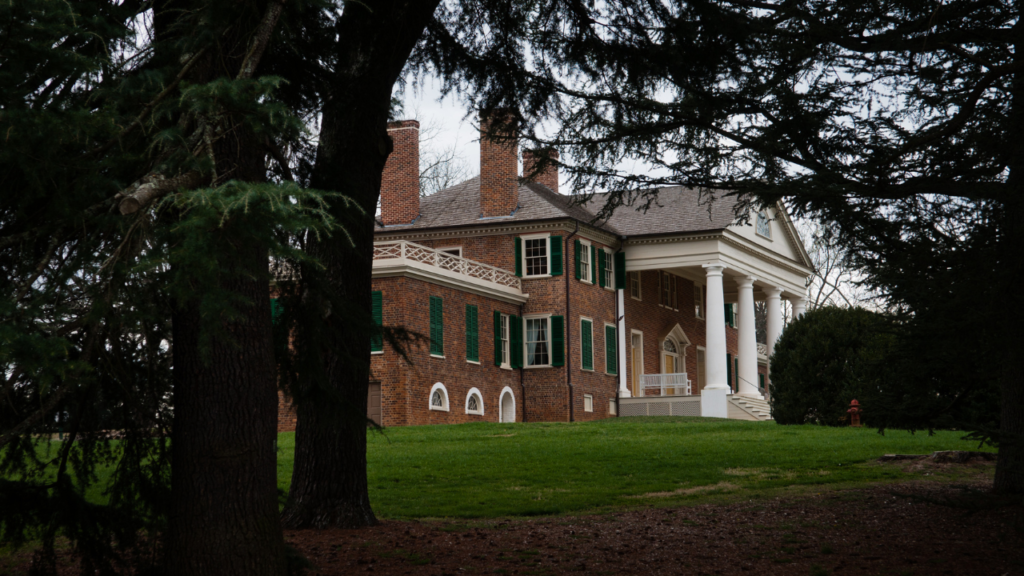
When Madison left office in 1817 at the age of 65, he retired to his home at Montpelier. Although he was no longer involved in national politics, he continued to take an interest in public affairs and continued to advise political leaders. His experience and knowledge made him an important elder statesman of the early United States.
Madison also remained closely connected to Thomas Jefferson and helped him establish the University of Virginia. After Jefferson’s death in 1826, Madison became the university’s second rector and continued in that position until his own death in 1836. His later years reflected his continued interest in education, government, and the development of the young nation.
12. Madison’s Lasting Influence
James Madison passed away on June 28, 1836, at the age of 85, at his home in Montpelier, Virginia. He was one of the last prominent members of the Revolutionary War generation to die.
His contributions to the Constitution and the Bill of Rights helped establish principles of individual rights and representative government that remain part of the American political system to this day. Known as the “Father of the Constitution,” Madison remains an important figure in American history.
Inspired by the leaders who shaped American history, discover the U.S. Presidents Wall Art Collection, a curated collection of artistic portraits to collect, display, and enjoy as your own timeless gallery of American history.

📌 James Madison: Summary
- Born: March 16, 1751, in Virginia
- Died: June 28, 1836, at age 85
- Known as: “Father of the Constitution”
- Role: Fourth president of the United States, serving from 1809 to 1817
- Founding Father: Played a major role in creating the U.S. Constitution
- Bill of Rights: Proposed amendments that became the Bill of Rights
- Political career: Served in the Continental Congress and the first U.S. Congress
- Constitutional Convention: Helped develop the Virginia Plan in 1787
- Religious freedom: Strong advocate for religious liberty
- War of 1812: Led the United States during the war with Britain
- Later years: Helped Thomas Jefferson establish the University of Virginia
- Home: Montpelier, Virginia