
HEMATITE
Metallic Mineral of Mars
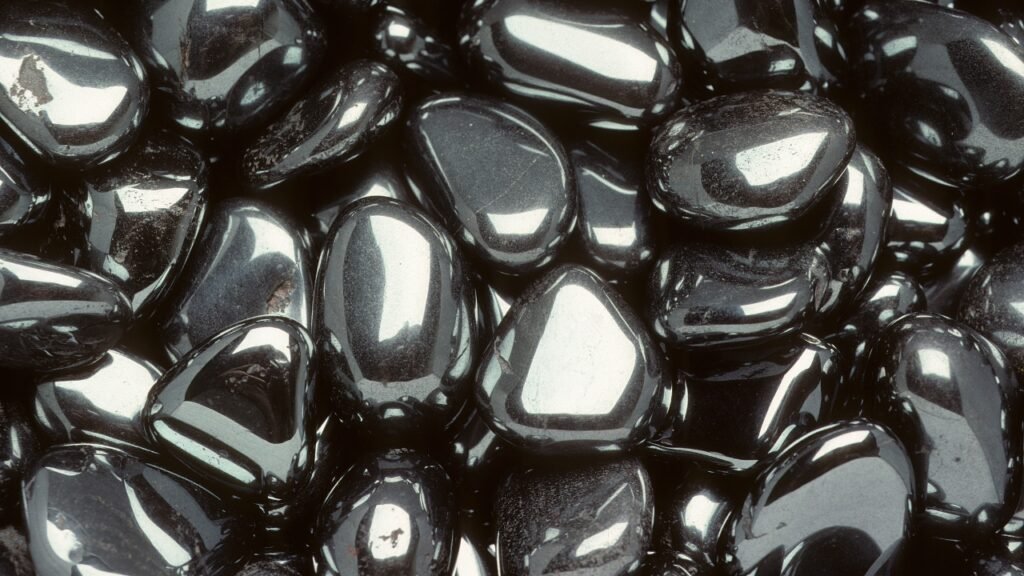
Hematite is a mineral with a fascinating history and an important place in the world of geology. Its story has captured the attention of scientists and mineral enthusiasts for generations.
1. What Is Hematite
Hematite is a natural iron oxide mineral and one of the most important sources of iron. It is admired for its metallic beauty and is often used both in jewelry and in art. This fascinating stone forms in a wide range of geological environments, making it one of the most common minerals on Earth. Despite its abundance, its unique reflective shine gives it a luxurious and captivating appearance.
2. What Color Is Hematite
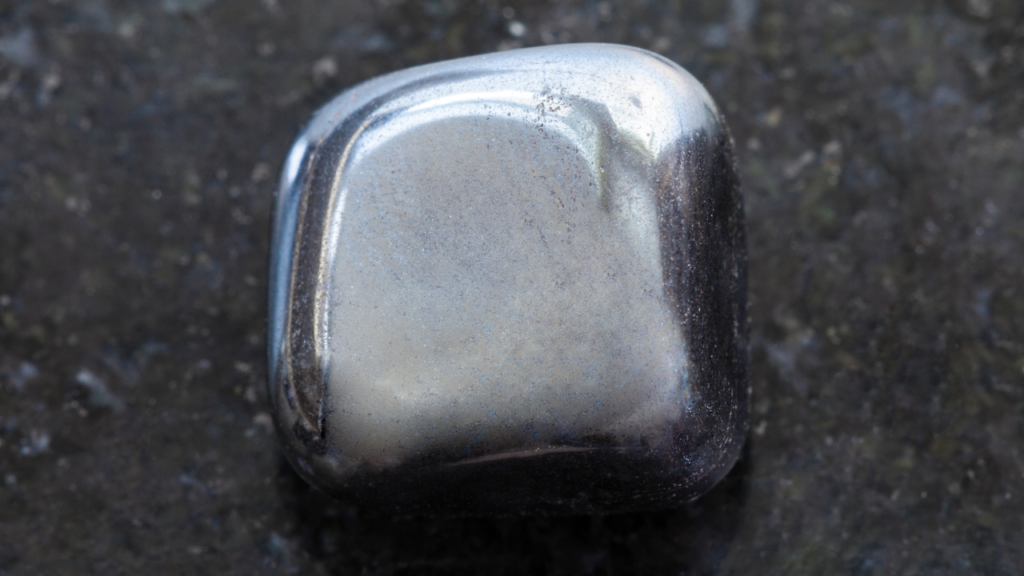
Hematite’s color varies from shiny black or silver-gray to deep brown and red tones. It is completely opaque, and when polished, it takes on a brilliant metallic luster. When cut with facets, the stone reflects light, creating a mirror-like effect.
3. How Hard Is Hematite
On the Mohs scale of hardness, it ranks between 5.5 and 6, which means it is strong enough for jewelry yet should be handled with care.
4. Name and Historical Use
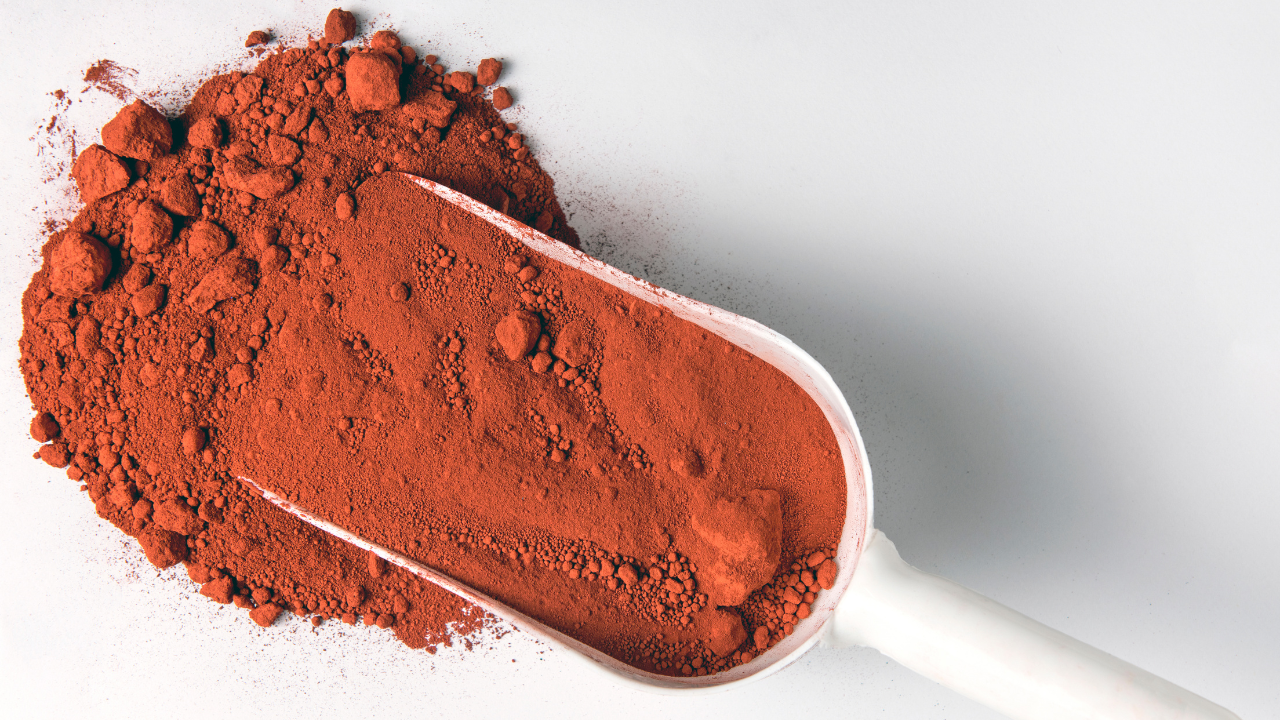
The word Hematite comes from the Greek word “haima,” meaning “blood,” because of its reddish streaks. Over 40,000 years ago, prehistoric people used powdered hematite to create red pigments for cave paintings. Ancient civilizations such as the Egyptians and Aztecs valued it for its deep color, using it to decorate bodies, tombs, and sacred objects. During the Renaissance, artists ground hematite into pigment for their most vivid red and brown tones.
5. The Red Planet
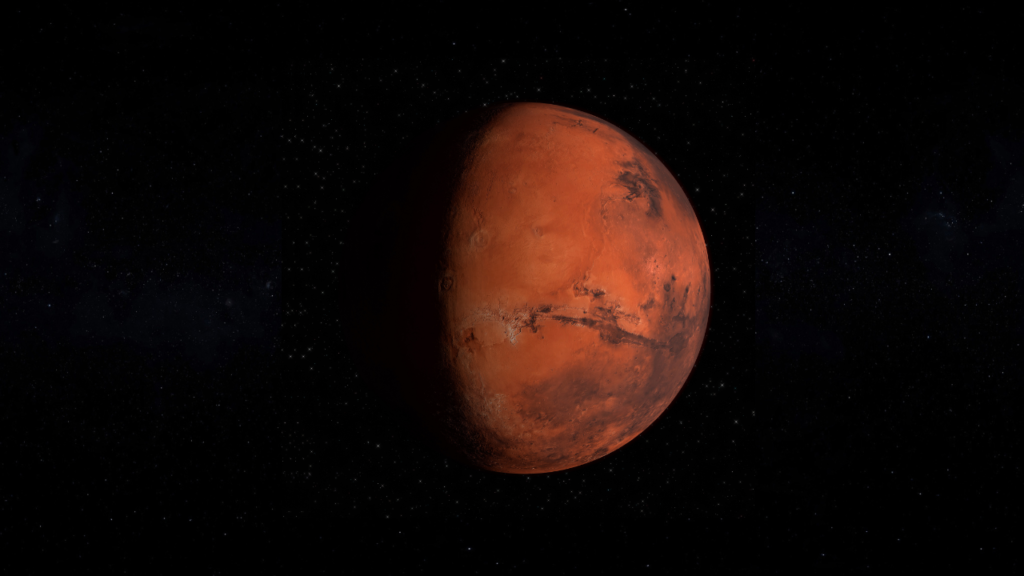
This mineral is found all around the world, with major deposits in China, Australia, Brazil, India, Russia, Ukraine, Canada, Venezuela, South Africa, and the United States. These locations continue to supply hematite for industrial use and jewelry production. In 1998, NASA discovered hematite on Mars, revealing that it gives the planet its reddish hue. This discovery confirmed that the mineral’s iron content is what makes Mars known as “The Red Planet.
6. Refractive index
Hematite’s refractive index of 2.780–3.220 means it has a very high ability to bend light. The exact value can vary because hematite is strongly absorbing and opaque. Unlike transparent gemstones, hematite’s high refractive index does not produce noticeable sparkle or refraction because light cannot pass through it. Instead, it contributes to hematite’s distinctive metallic, mirror-like luster.
7. How to Clean Hematite
To keep Hematite looking its best, it should be cleaned gently and stored carefully. Use mild soap with warm water, then dry it with a soft cloth to maintain its shine. Avoid using ultrasonic cleaners or harsh chemicals, as they may damage its surface. With regular care, hematite retains its metallic beauty and continues to reflect light brilliantly for years.

📌 Hematite: Summary
- Iron oxide mineral and major source of iron
- Colors: black, silver-graay, brown, red
- Metallic shine with mirror-like reflection when polished
- Leaves a reddish-brown streak
- Name comes from Greek “haima,” meaning “blood”
- Used since prehistoric times for red pigments
- Found worldwide, including China, Brazil, Australia, USA
- Also discovered on Mars, giving it its red color
- Hardness: 5.5–6 on Mohs scale