
GEORGE WASHINGTON
The First President of the United States
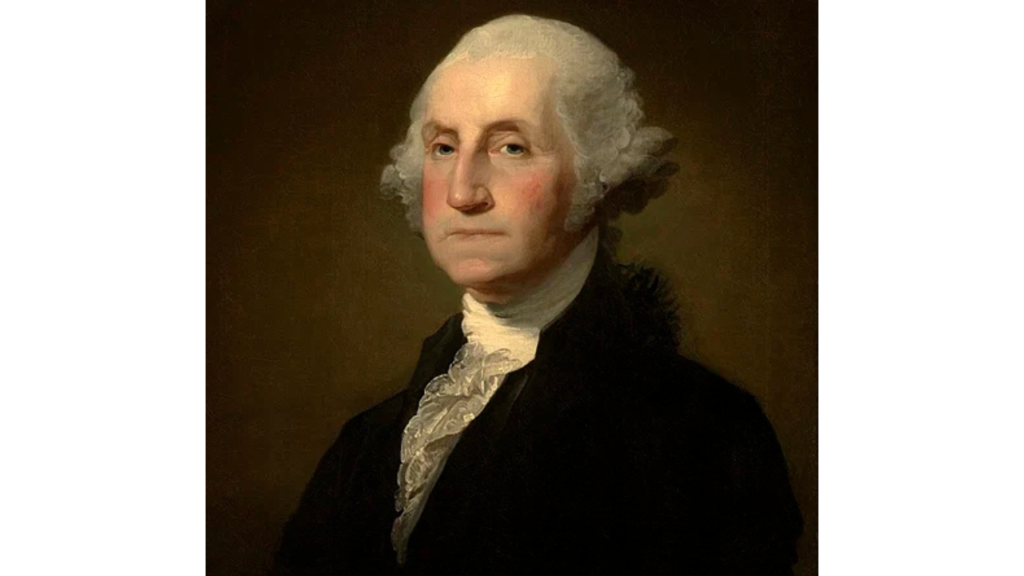
George Washington was a Founding Father and the first president of the United States, serving from 1789 to 1797. Known as the “Father of His Country” and the “Father of the Nation,” he was also the general and commander in chief of the Continental Army, leading the Patriot forces to victory in the Revolutionary War against Britain.
1. Early Life and Education
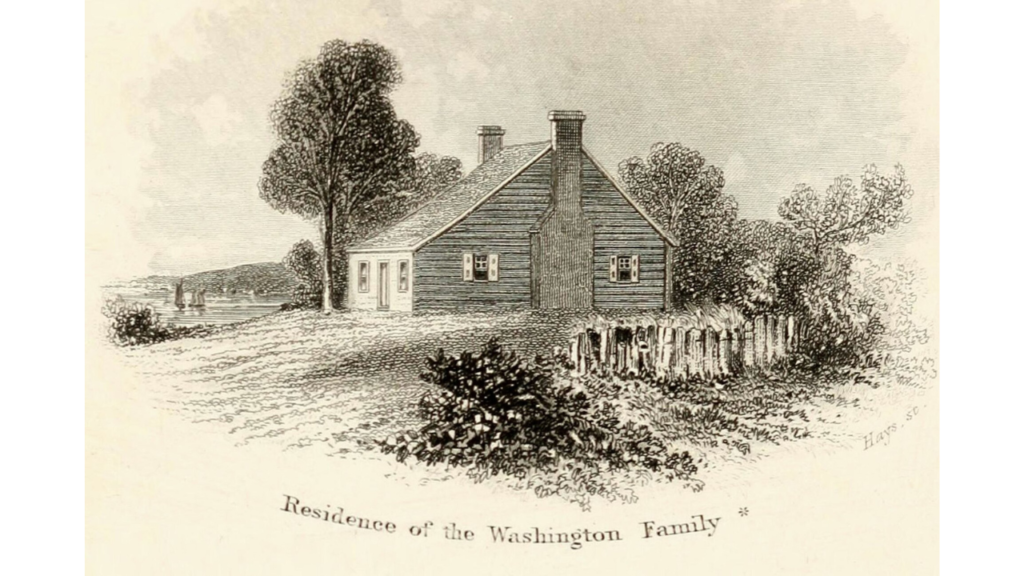
George Washington was born in 1732 in Virginia into a wealthy planter family. After his father died, his older half-brother Lawrence became an important influence in his life and introduced him to Virginia’s powerful social circles. Washington received a practical education that included mathematics and surveying, the practice of measuring and mapping land. He later worked as a surveyor, gaining valuable knowledge of Virginia’s landscape while earning money and beginning to acquire land of his own.
2. Washington's First Military Mission
In the early 1750s, tensions were rising between European powers competing for control of North America. Inspired by his older half-brother Lawrence’s military service, Washington decided to pursue a military career. He received a commission in the Virginia militia and was appointed a major. In 1753, Virginia Lieutenant Governor Robert Dinwiddie sent Washington to the Ohio River Valley to demand that French forces leave British-claimed territory and gather information about their presence. Washington reached Fort Le Boeuf, where the French refused to withdraw.
3. The Name Conotocaurius
During the mission, Washington met Native American leaders, including the Haudenosaunee leader Tanacharison, who gave him the name “Conotocaurius,” meaning “devourer of villages.” The name had previously been given to Washington’s great-grandfather, John Washington, in the late 17th century.
4. The Beginning of the French and Indian War
In 1754, Washington was promoted to lieutenant colonel and given command of part of the Virginia Regiment. Sent to confront French forces in the Ohio River Valley, he led a small force that attacked a French detachment at Jumonville Glen. The clash resulted in the death of the French commander, Joseph Coulon de Jumonville, and became the incident that helped ignite the French and Indian War, which later became part of the wider Seven Years’ War.
5. British and Colonial Officers
Washington’s early military career gave him important leadership experience and knowledge of British military practices. At the same time, he became frustrated by the lower rank and limited opportunities given to colonial officers compared with British officers. These experiences influenced his views and later contributed to his opposition to British military policies during the American Revolution.
6. From Military Hero to Politician
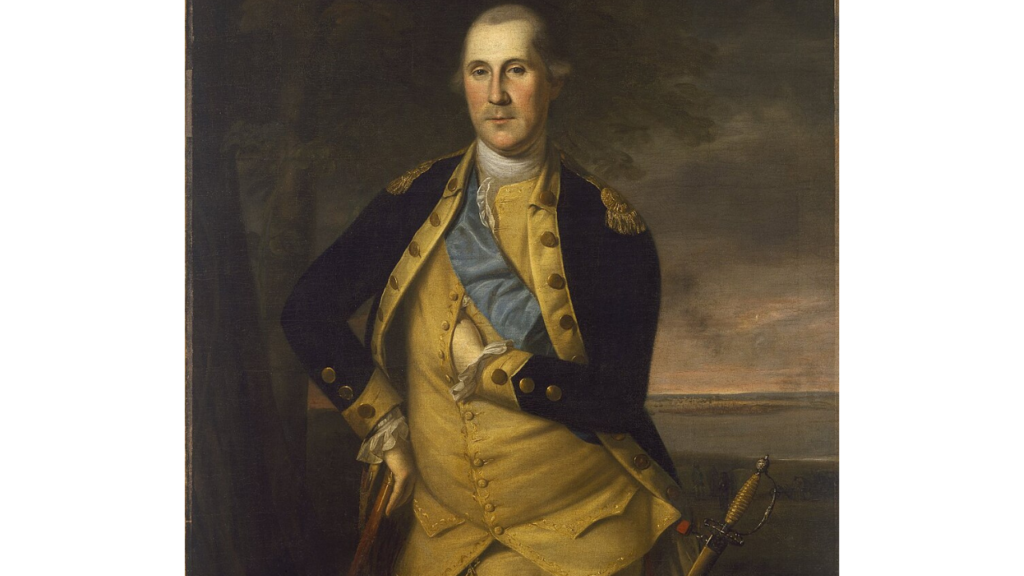
In 1758, Washington was elected to the Virginia House of Burgesses, beginning his political career. During the 1760s, he became increasingly active in colonial politics and a critic of British taxation and trade policies toward the American colonies. At the same time, he worked to strengthen Mount Vernon financially, shifting its main cash crop from tobacco to wheat and expanding into flour milling.
7. Defending Colonial Rights
After the Seven Years’ War, Britain faced heavy debt and introduced new taxes and trade restrictions on the American colonies. These policies increased colonial resistance, including protests such as the Boston Tea Party in 1773. Washington opposed British taxation and restrictions on westward expansion. With George Mason, he helped draft resolutions for the Fairfax County Committee defending colonial rights, including opposition to the Atlantic slave trade, and supported boycotts of British goods.
8. Commander-in-Chief of the Continental Army
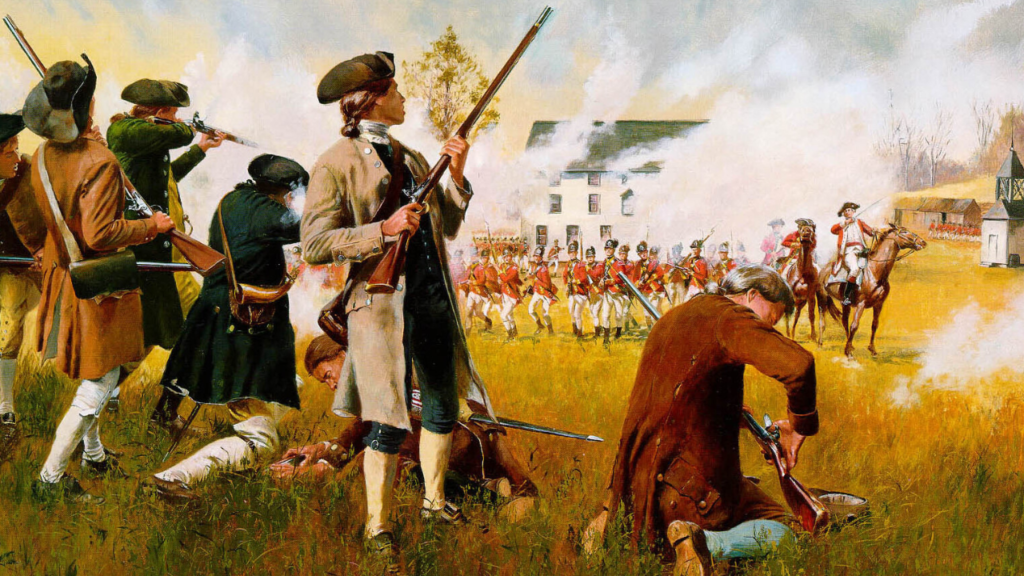
The American Revolutionary War began on April 19, 1775, with the Battles of Lexington and Concord. Washington soon traveled to Philadelphia to attend the Second Continental Congress, where delegates from the thirteen colonies met to organize the war effort. On June 15, 1775, Congress unanimously chose Washington as Commander-in-Chief of the Continental Army, largely because of his military experience and leadership.
9. The Name “United States of America”
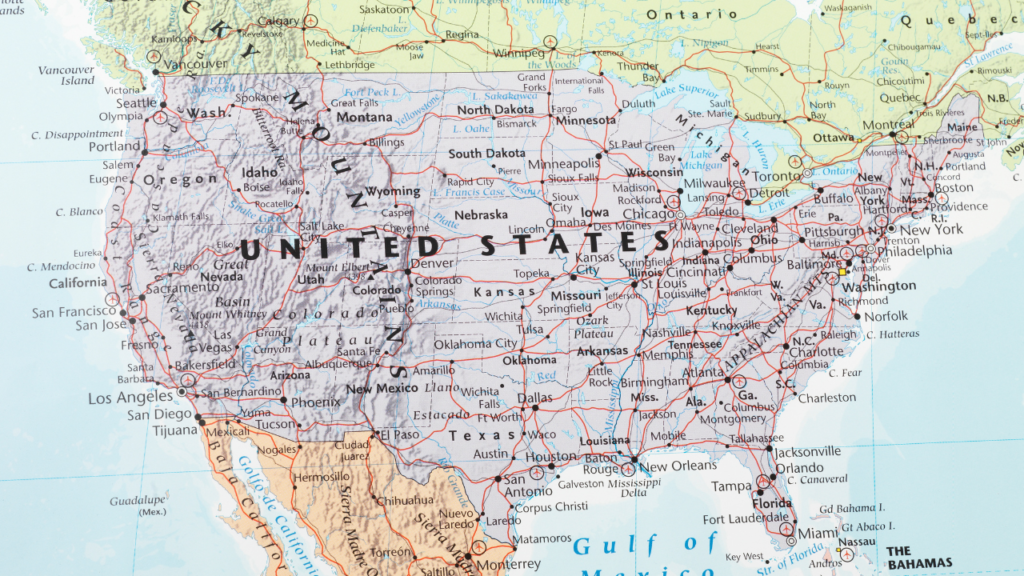
At the beginning of the Revolution, Congress commonly referred to the colonies as the “United Colonies of North America.” On September 9, 1776, the Second Continental Congress officially ordered the use of the name “United States of America” instead, reflecting the colonies’ growing identity as an independent nation.
10. Black Soldiers in the Continental Army
Washington initially banned the enlistment of Black soldiers, but later reversed the policy as the need for additional troops grew. By the end of the Revolutionary War, thousands of Black soldiers had served in the Continental Army, with some gaining their freedom through military service.
11. The Battle of Long Island
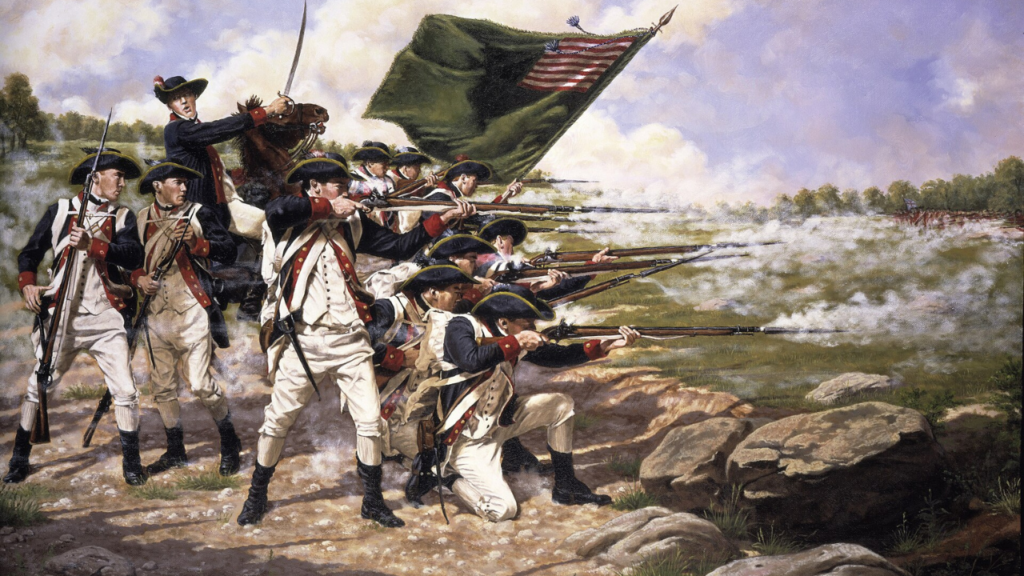
In August 1776, General William Howe landed a large British force in Brooklyn and attacked Washington’s defenses. At the Battle of Long Island, Howe’s army outnumbered the American forces and inflicted heavy casualties. Washington was forced to retreat from Brooklyn and eventually withdraw to Manhattan.
12. Crossing the Delaware River
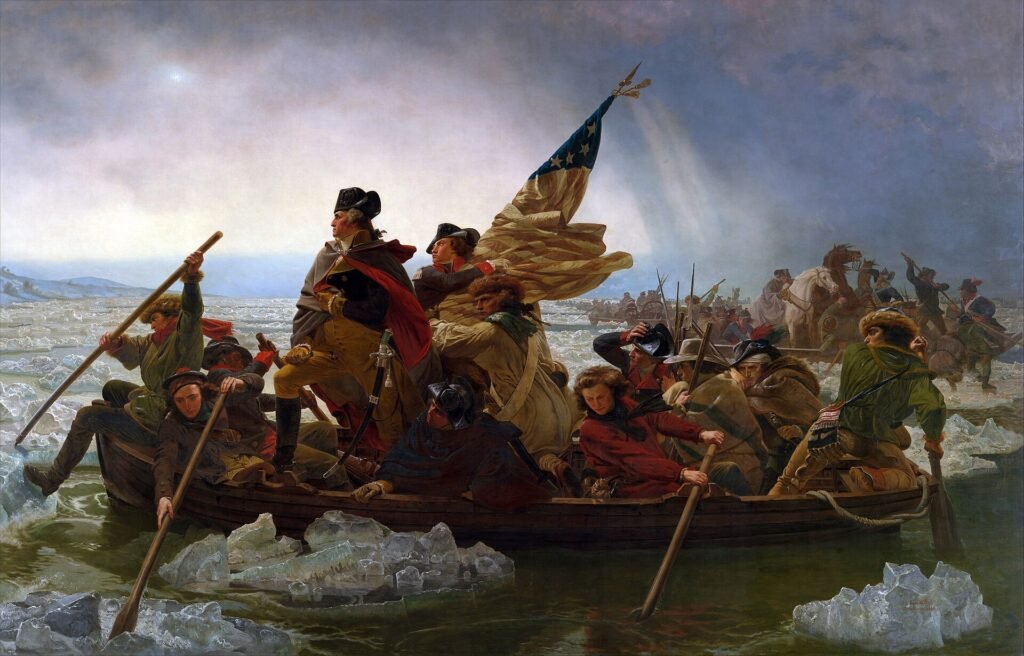
After the loss of Fort Washington in November 1776, George Washington’s army retreated across New Jersey. Morale declined due to a lack of supplies and harsh winter conditions, and many soldiers left the army. On December 25, 1776, Washington led his troops across the Delaware River and surprised Hessian forces at the Battle of Trenton. A victory at Princeton followed in January 1777, helping restore confidence in the American cause.
13. Philadelphia and Valley Forge
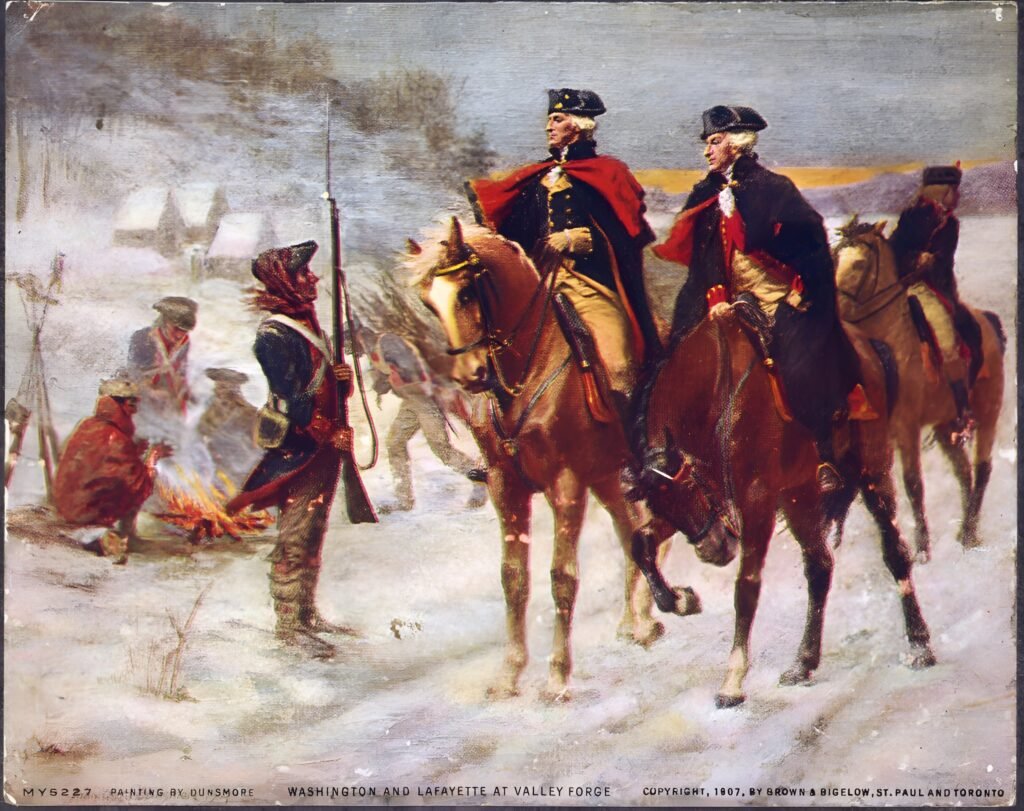
In 1777, British forces captured Philadelphia, forcing Washington’s army to withdraw. Meanwhile, the American victory at the Battle of Saratoga led to a major British surrender and strengthened the American cause. That winter, Washington and his troops endured harsh conditions, disease, and shortages at Valley Forge, where he worked to keep the army together despite difficult circumstances.
14. Victory at Yorktown
In 1781, American and French forces surrounded the British army at Yorktown, Virginia. With French naval forces blocking British reinforcements and Washington directing the siege, General Charles Cornwallis surrendered on October 19, 1781. The victory effectively ended major fighting in the American Revolutionary War.
15. After the Revolutionary War
The Treaty of Paris, signed in 1783, formally ended the Revolutionary War and recognized the independence of the United States. Washington then oversaw the disbanding of the Continental Army and the final British evacuation from New York City before returning to civilian life.
After the war, Washington returned to Mount Vernon, where he resumed managing his estate and continued experimenting with improved farming methods. At the same time, he became increasingly concerned that the Articles of Confederation created a government too weak to hold the new nation together, describing them as “a rope of sand.”
16. Washington’s Presidency and Final Years
By 1788, George Washington was widely expected to become the nation’s first president, and in 1789 he was unanimously chosen by the Electoral College. He served two terms, from 1789 to 1797. That same year, he proclaimed November 26 as a national day of thanksgiving and prayer, encouraging Americans to express gratitude and unity. Washington died at Mount Vernon on December 14, 1799. In his will, he ordered that the enslaved people he owned be freed after his wife Martha Washington’s death.
Inspired by the leaders who shaped American history, discover the U.S. Presidents Wall Art Collection, a curated collection of artistic portraits to collect, display, and enjoy as your own timeless gallery of American history.

📌 George Washington: Summary
- Born: February 22, 1732, in Virginia.
- Early Life: Grew up on a plantation and developed an interest in surveying, land, and military affairs.
- Military Career: Served in the Virginia militia and gained experience during the French and Indian War.
- Continental Army: Took command of the Continental Army in 1775 during the American Revolutionary War.
- Boston: Forced British troops to evacuate Boston in March 1776, his first major military success.
- Black Soldiers: Initially opposed their enlistment but later reversed the policy; thousands of Black soldiers served in the Continental Army.
- Long Island: Suffered a major defeat in 1776 and retreated from New York.
- Trenton and Princeton: Victories in late 1776 and early 1777 helped restore American morale.
- Valley Forge: Kept the Continental Army together through the harsh winter of 1777–1778, despite disease and shortages.
- Yorktown: Led American and French forces during the decisive siege that resulted in British General Cornwallis’s surrender in 1781.
- After the War: Returned to Mount Vernon and became concerned about the weak government under the Articles of Confederation.
- First President: Elected unanimously by the Electoral College in 1789 and served two terms until 1797.
- Thanksgiving: Proclaimed November 26, 1789, as a national day of thanksgiving and prayer.
- Death: Died at Mount Vernon on December 14, 1799.
- Enslaved People: In his will, ordered that the enslaved people he owned be freed after Martha Washington’s death.