
GARNET
The Gemstone with Many Colors
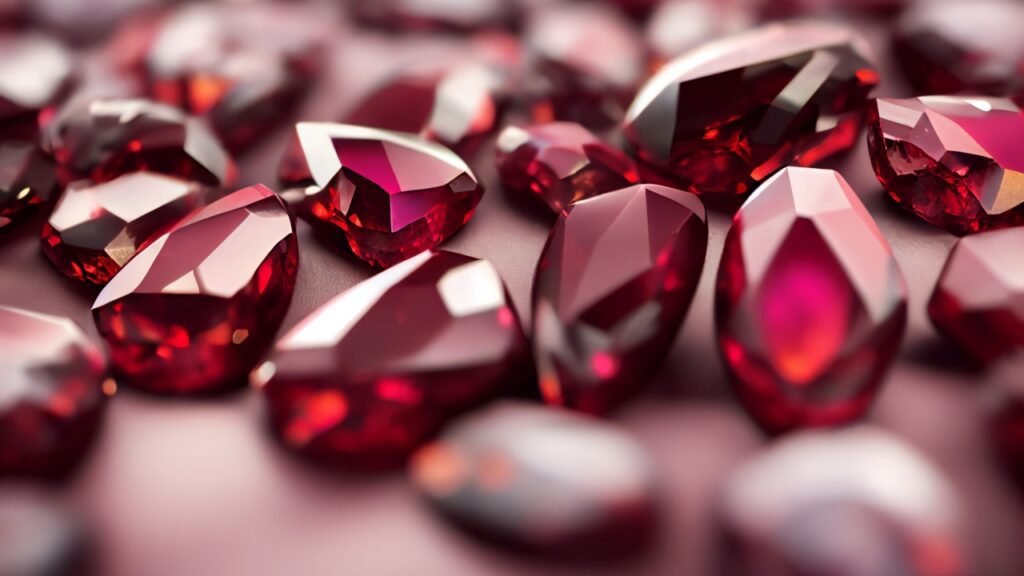
Garnet is a well-known gemstone that has been valued for thousands of years and is found in a wide range of colors. It belongs to a diverse group of minerals rather than being a single mineral species.
1. What Is Garnet
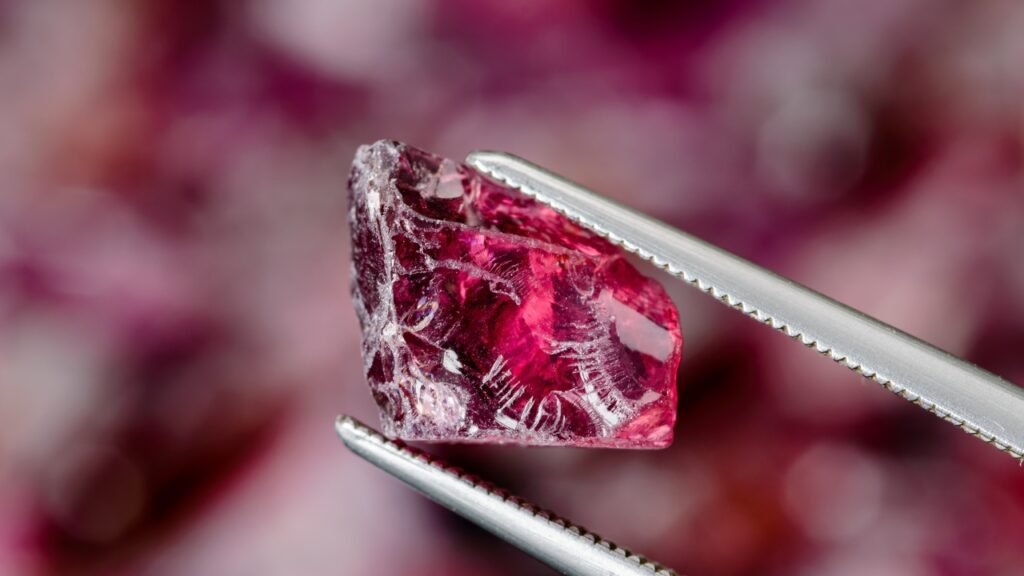
Garnet is the name for a large group of minerals that share similar crystal structures but come in different colors. While most people think of garnet as a deep red stone, it actually occurs in many shades, including green, orange, yellow, and even purple. This variety makes garnet one of the most versatile gemstones in the world.
2. Five Garnets Used in Jewelry
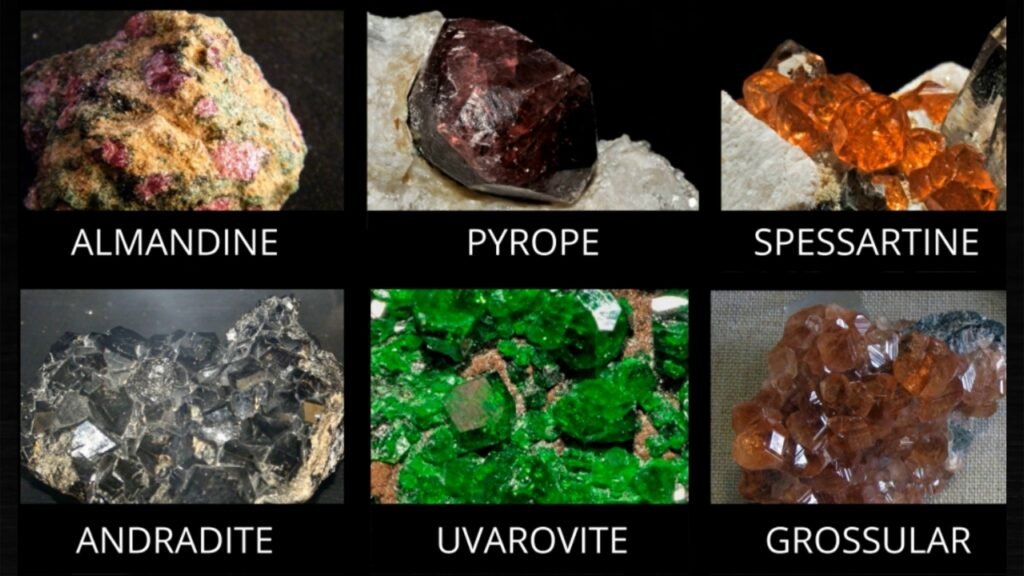
There are more than twenty known types of garnet, but only five are commonly valued as gemstones: pyrope, grossular, almandine, spessartine, and andradite. Each species has its own distinctive colors and characteristics, ranging from deep reds to vibrant greens and warm oranges. Together, they reveal the remarkable diversity that makes garnet one of the most fascinating gemstone families.
3. Uvarovite: The Rare Green Garnet
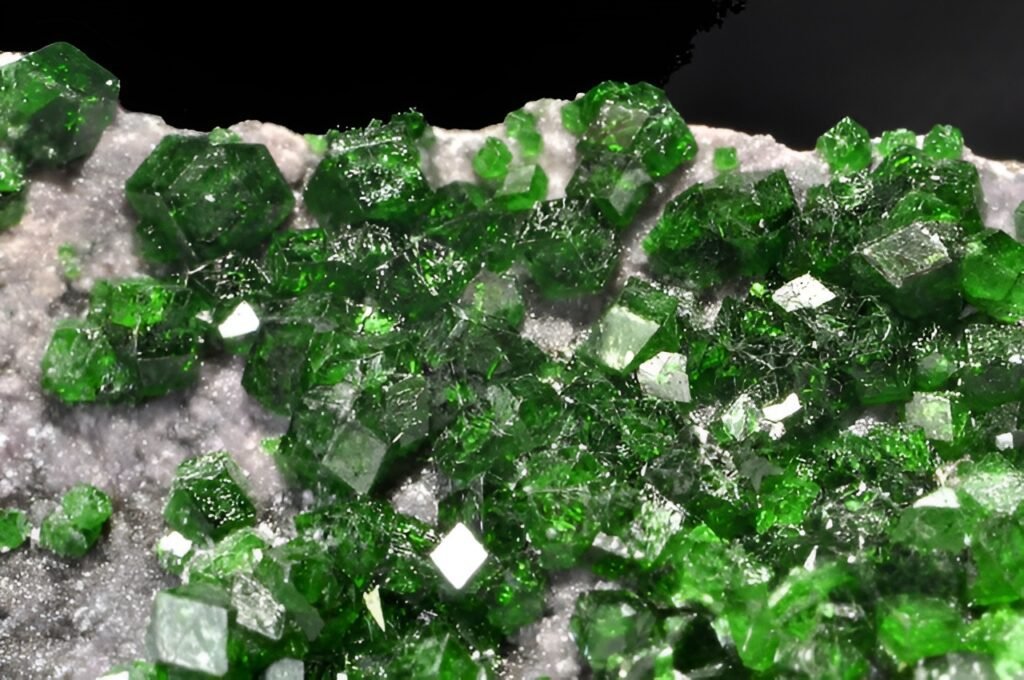
Another striking species of garnet is uvarovite, known for its vivid emerald-green color. Unlike other garnets, it is rarely used in jewelry because its crystals are usually too small to cut. Even so, its brilliance and rarity highlight the incredible diversity and beauty that the garnet family offers to collectors and gem enthusiasts alike.
4. Varieties of Garnet
Many garnets are not pure species but mixtures of two or more, giving rise to unique and beautiful varieties. Rhodolite, for example, blends pyrope and almandine, creating a rich purplish-red gemstone admired for its brilliance. Other notable varieties include tsavorite and hessonite, both belonging to the grossular family, with tsavorite showing vibrant green hues and hessonite displaying warm orange tones. These varieties add to the incredible diversity of garnet, making it one of the most colorful and versatile gemstones.
5. Origin and History of Garnet
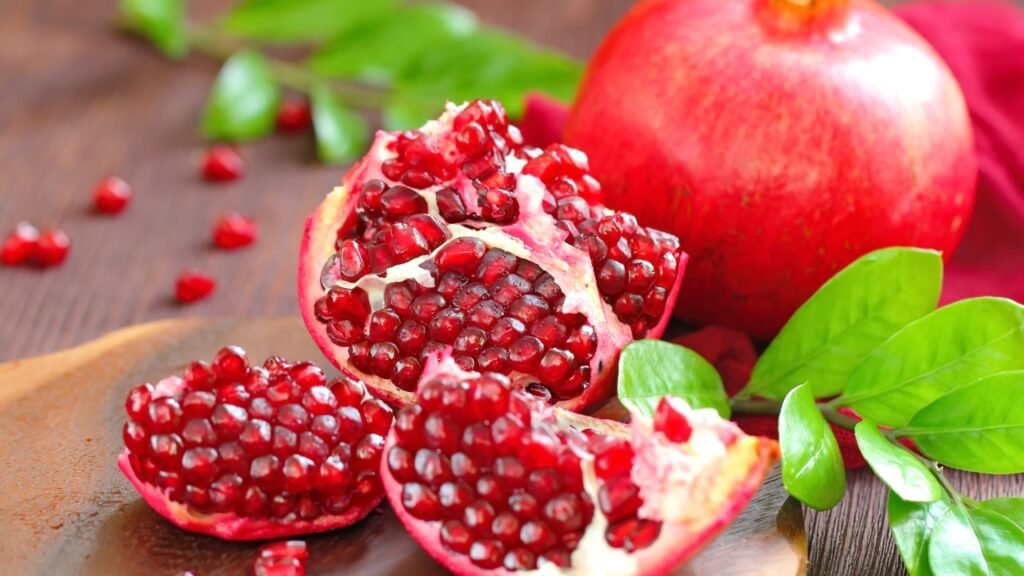
The word “garnet” comes from the medieval Latin word granatus, meaning “pomegranate,” because the red crystals resemble the fruit’s seeds. Garnet has a long history of use, from pharaohs in ancient Egypt who wore it as jewelry to Romans who used it in signet rings for sealing documents. The stone later became especially popular during the Victorian era, when it was often set in intricate gold designs.
6. Varieties of Garnet
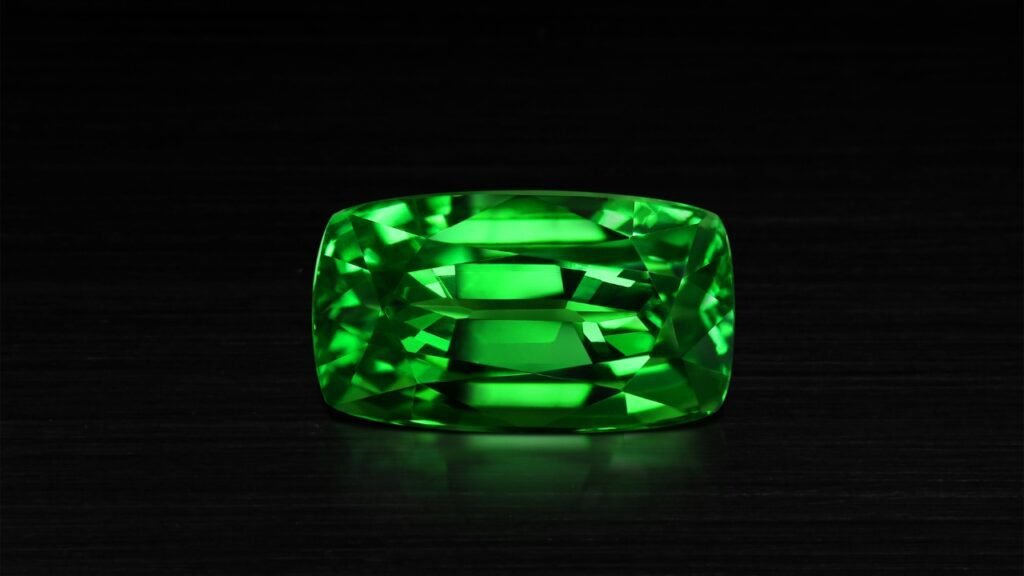
Many garnets are not pure species but mixtures of two or more, giving rise to unique and beautiful varieties. Rhodolite, for example, blends pyrope and almandine, creating a rich purplish-red gemstone admired for its brilliance. Other notable varieties include tsavorite and hessonite, both belonging to the grossular family, with tsavorite showing vibrant green hues and hessonite displaying warm orange tones. These varieties add to the incredible diversity of garnet, making it one of the most colorful and versatile gemstones.
7. Origin and History of Garnet
The word “garnet” comes from the medieval Latin word granatus, meaning “pomegranate,” because the red crystals resemble the fruit’s seeds. Garnet has a long history of use, from pharaohs in ancient Egypt who wore it as jewelry to Romans who used it in signet rings for sealing documents. The stone later became especially popular during the Victorian era, when it was often set in intricate gold designs.
8. Where Garnet Is Found
Garnet is mined in many regions across the globe, with important sources in Brazil, Iran, Tanzania, Kenya, Southern California, Namibia, Pakistan, Madagascar, and Sri Lanka. The variety of locations contributes to the wide range of colors and qualities available. Each source produces stones with slightly different characteristics, making every garnet unique.
9. Hardness and Jewelry Uses
Garnet ranks between 6.5 and 7.5 on the Mohs scale of hardness, which means it is fairly resistant to scratches. This level of durability makes it a practical choice for rings, necklaces, and other everyday jewelry pieces. While not as hard as diamonds or sapphires, garnet is strong enough to be worn and enjoyed for years with proper care.
10. Birthstone & Anniversary
Garnet is traditionally given as a gift for the 2nd wedding anniversary. It is also recognized as the birthstone for January, carrying meanings of passion, strength, and protection. For many, wearing garnet is not only about adornment but also about embracing the warmth and vitality the stone symbolizes.
11. Refractive index
Garnet has a refractive index of 1.714–1.888, meaning it bends light strongly as light passes through the gemstone. This contributes to garnet’s brightness and sparkle.
12. How to Clean Garnet
To keep garnet looking its best, it should be cleaned gently with warm, soapy water and a soft toothbrush. Harsh chemicals, ultrasonic cleaners, or steam cleaning can damage the stone and should be avoided. It is wise to store it separately from harder gemstones like diamonds or sapphires to prevent scratches. With proper care, garnet jewelry can maintain its brilliance and beauty for generations.
Inspired by the remarkable beauty of garnet, discover the Gemstone Fusion Wall Art Collection, a curated set of three artistic pieces designed to capture the unique colors and character of this extraordinary gemstone.

📌 Garnet: Summary
- Colors from red, green, orange, yellow, to purple
- There are more than twenty garnet types
- Only five garnet types are valued as gemstones:
Pyrope, Grossular, Almandine, Spessartine, Andradite - Many garnets are mixed species, creating unique varieties:
Rhodolite (purplish-red), Tsavorite (green), Hessonite (orange) - Name from Latin granatus (“pomegranate”)
- Worn by pharaohs, Romans, and in Victorian jewelry
- Mined in Brazil, Tanzania, Kenya, Madagascar, Sri Lanka
- Hardness 6.5–7.5 on the Mohs scale, durable for everyday jewelry
- January birthstone; 2nd wedding anniversary gem