Coral

A precious treasure from the sea
turned into high-value jewelry

The History and Value of Coral

For centuries, red coral has been highly appreciated for its beauty and rarity. It has long been used in jewelry, ornaments, and even amulets believed to carry protective powers. Historically, red coral was considered the most valuable, often reserved for high-ranking individuals and cultural treasures.


Corals are marine animals from the Anthozoa class

Understanding Coral Species

The term “coral” refers to marine species from the Anthozoa class of the phylum Cnidaria, which includes over 11,000 aquatic species. This class also contains sea anemones, stony corals, and soft corals. Despite being spineless organisms, corals are remarkable creatures that play a vital role in marine ecosystems.

How Corals Live and Grow

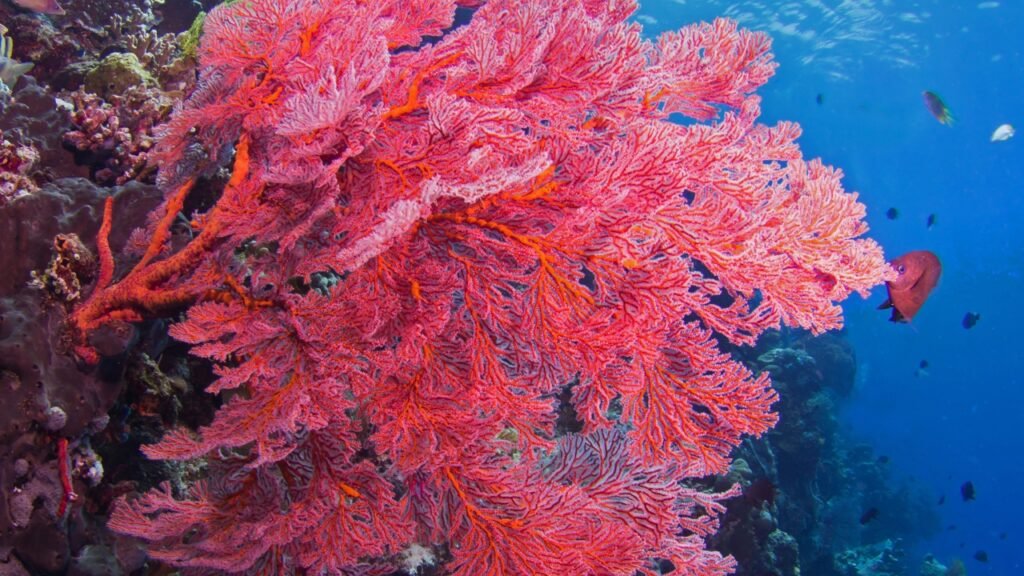
Corals are tiny polyps, soft-bodied animals with an external skeleton for protection. They attach themselves to rocks and gradually multiply to form large colonies. Over time, these colonies grow into vast coral reefs, though the process is extremely slow, often just a few millimeters per year.

coral
Coral attach themselves to rocks and gradually multiply to form large colonies
coral
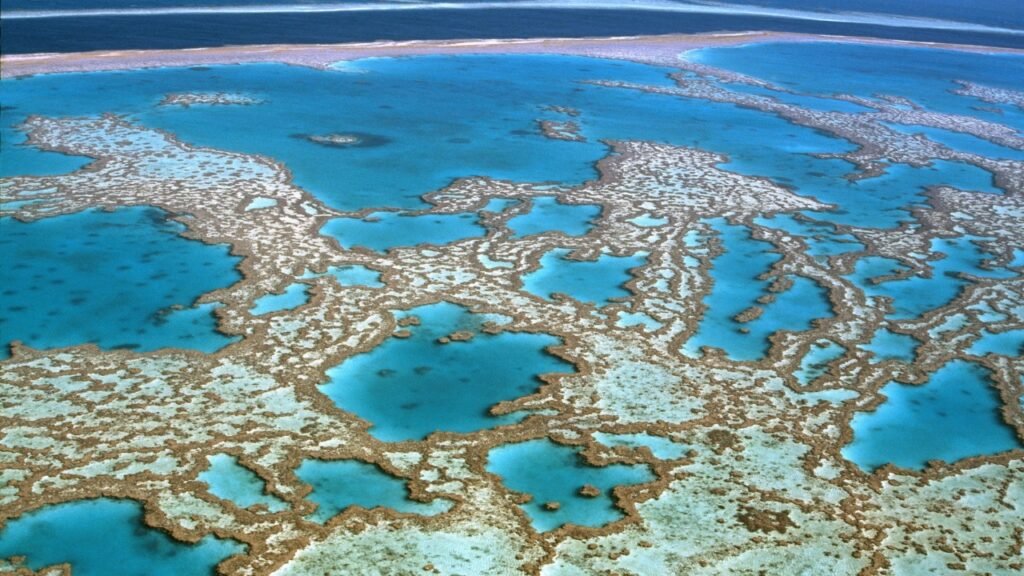
The Great Barrier Reef in Australia

Coral Reefs Around the World

From small beginnings, coral reefs can expand to incredible sizes, ranging from houseplant-sized structures to continent-wide ecosystems. The Great Barrier Reef in Australia, the world’s largest coral reef, is a famous example. Today, corals are found in more than 100 countries, shaping some of the most diverse environments on Earth.

Precious and Common Corals

CIBJO, The World Jewelry Confederation, divides corals into two main groups: Precious Corals and Common Corals. Precious Corals, which belong to the family Corallidae, are prized for their beauty and rarity. Common Corals are more widespread and include both calcareous and non-calcareous types.

Colors and Uses of Precious Coral

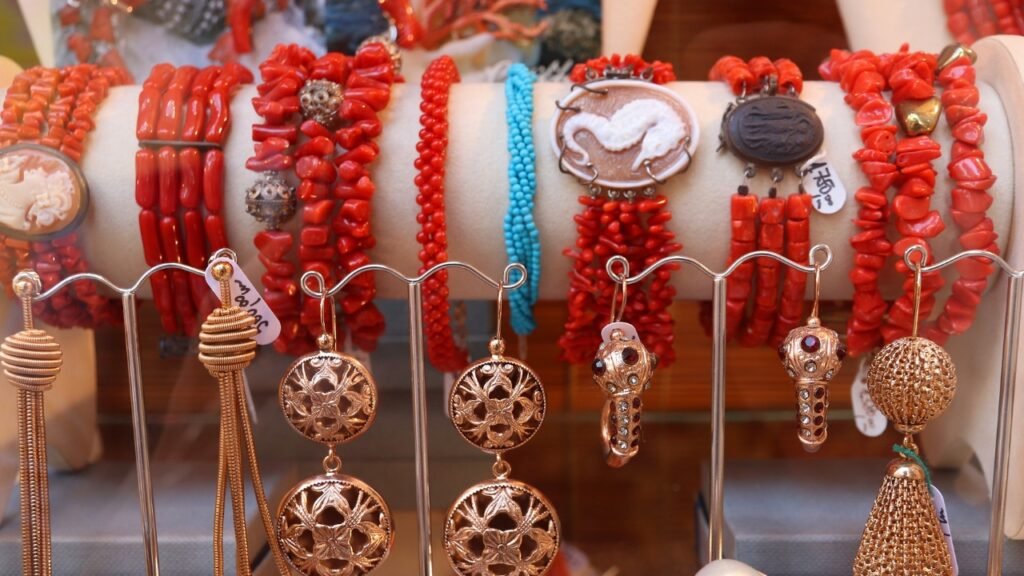
Precious Corals come in stunning shades of red, pink, white, and salmon. When polished, they display a porcelain-like shine, making them perfect for high-end jewelry and art. Red coral, in particular, has historically been the most expensive and sought after.

coral8
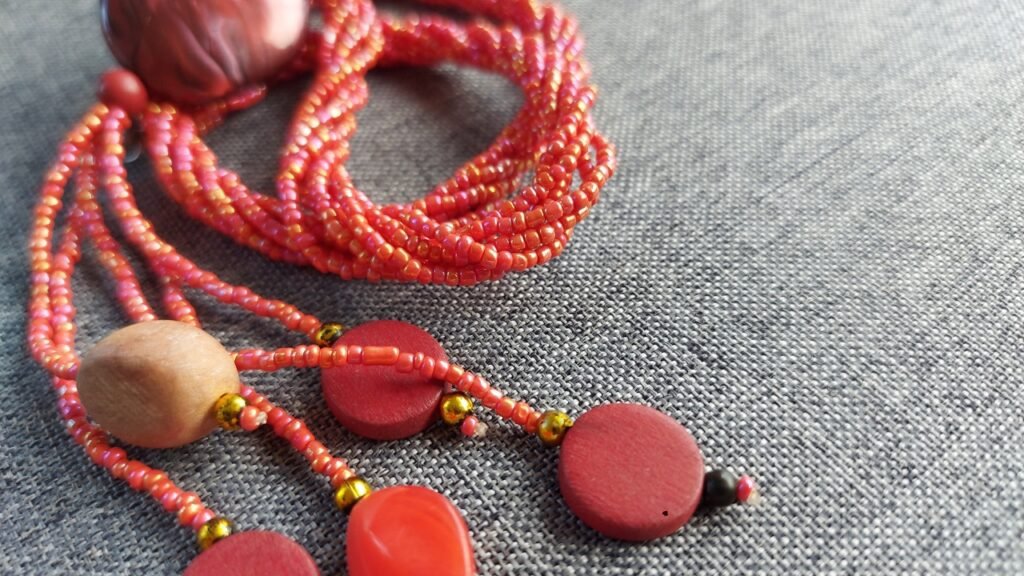
Coral beaded jewelry

Types of Common Coral

The calcareous type of coral is commonly found in reefs and includes varieties like bamboo coral and blue coral. Non-calcareous types, on the other hand, have soft organic skeletons, such as black and golden corals. While not as rare as Precious Corals, they are still valued for unique decorative and jewelry uses.

Where Precious Corals Are Found

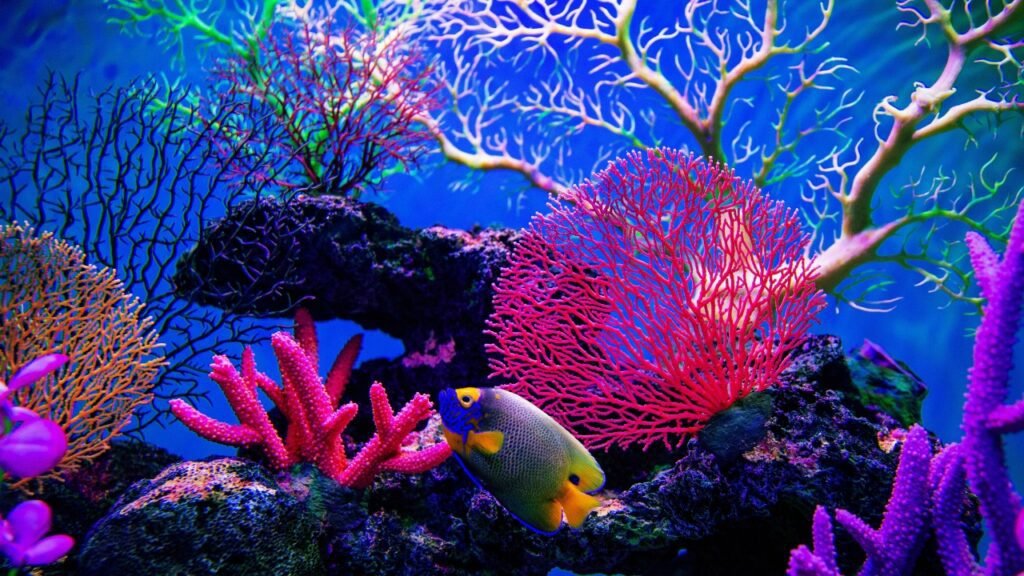
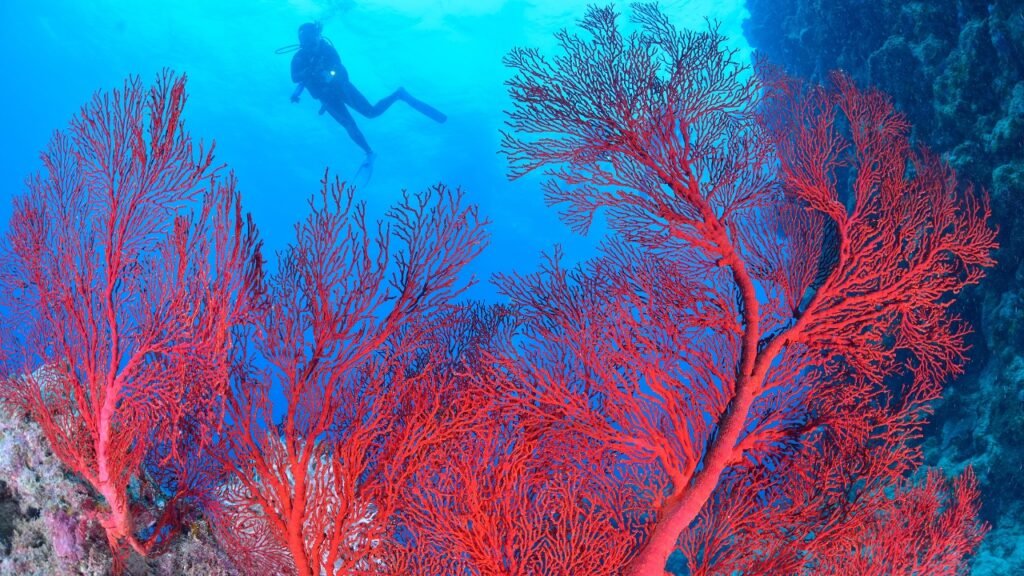
Unlike Common Corals, which typically grow in shallow waters, Precious Corals are found in much deeper locations. They thrive in dark caves and cracks, ranging from 50 to 2,000 meters below sea level. This hidden environment contributes to their rarity and value in the jewelry market.

Precious corals thrive in deep waters

Trading Names for Precious Corals

In the jewelry trade, Precious Corals are known by several distinctive names. These include “oxblood corals,” “momo corals,” “angel skin corals,” “garnet corals,” “misu corals,” as well as “Sardinian” or “Mediterranean corals.” Each name often reflects a specific color, origin, or unique characteristic.

Coral’s Properties and Jewelry Craft

On the Mohs scale of hardness, coral ranks between 3 and 4, making it relatively soft compared to many gemstones. Because of this, coral is often cut into cabochons, shaped into beads, or carved into detailed cameos and artistic designs. Its softness allows artisans to create intricate and delicate patterns.

Cultural Beliefs About Coral

Across many cultures, coral has been linked to spiritual protection and healing powers. In ancient times, it was believed to guard against evil, negativity, and even magic spells. Today, coral is often associated with transformation, relaxation, and healing, particularly for women and children.

Keeping Coral Jewelry Beautiful

Coral is sensitive and can fade when exposed to heat or direct light for long periods. For this reason, coral jewelry should be stored carefully, away from intense sunlight or hot surfaces. The safest way to clean coral is with warm soapy water and a soft cloth, ensuring it remains vibrant and beautiful for years to come.

Login Required