Amber

A time capsule from millions of years ago

Fossilized Resin

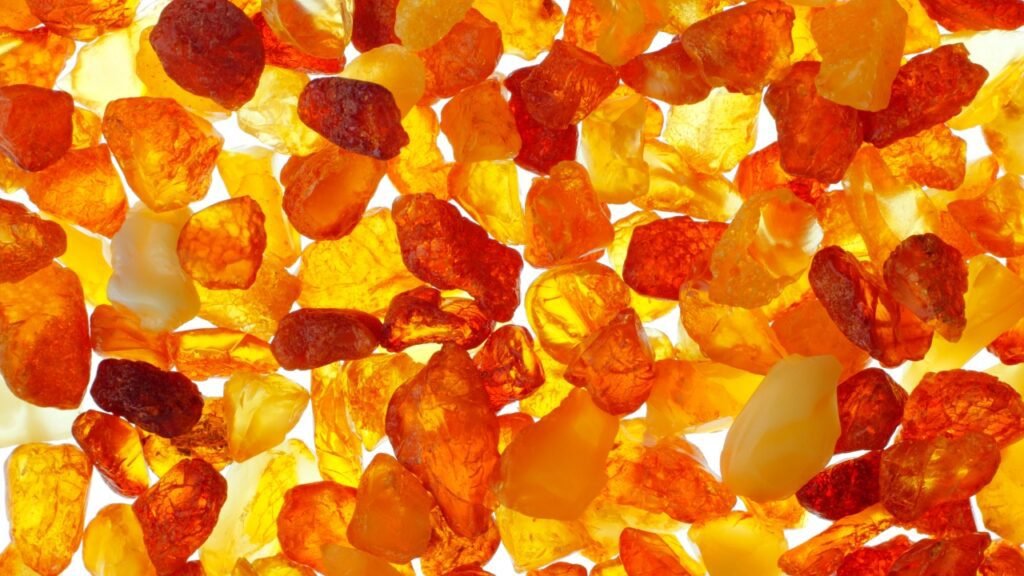
Amber is an organic gem formed from the resin of ancient trees. Over millions of years, this resin slowly hardened and was preserved in the earth. Through this natural process, it became the golden, gem-like material we recognize today as amber. The transformation occurs as the resin undergoes polymerization, a process where its molecules link together and solidify over time. Combined with heat and pressure, the resin becomes stable and is preserved under layers of sediment. This burial protects it from decay, allowing it to survive long enough to turn into amber. The remarkable journey from sticky tree resin to gleaming gemstone is what makes amber both unique and fascinating.

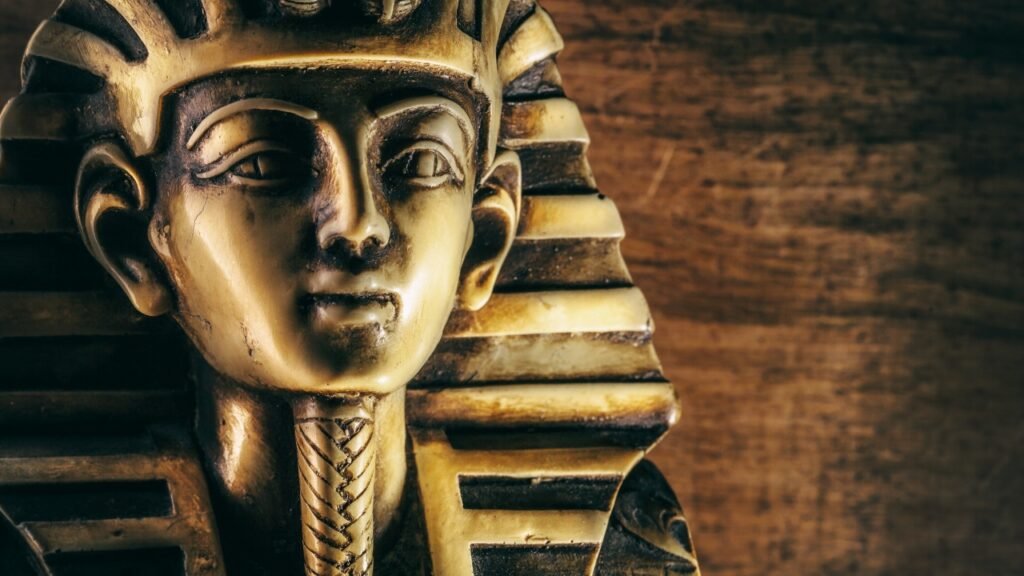
Egyptian Pharaoh Tutankhamun was buried with carved pieces of amber for the afterlife

A Treasure Through History

Amber has been valued since ancient times. Egyptian Pharaoh Tutankhamun was buried with carved pieces of amber for the afterlife. The Greeks called it “Elektron” because when rubbed against cloth, it produces static energy. In the Middle Ages, people even used amber as a fumigant to fight the spread of plague. Beyond these examples, amber was traded widely along ancient routes such as the Amber Road, linking the Baltic region with the Mediterranean. It was believed to hold protective powers, often worn as an amulet or charm against illness and misfortune. These long-standing traditions highlight how amber was cherished not only as a beautiful material but also as a symbol of healing and mystical strength throughout history.

A Window into the Past

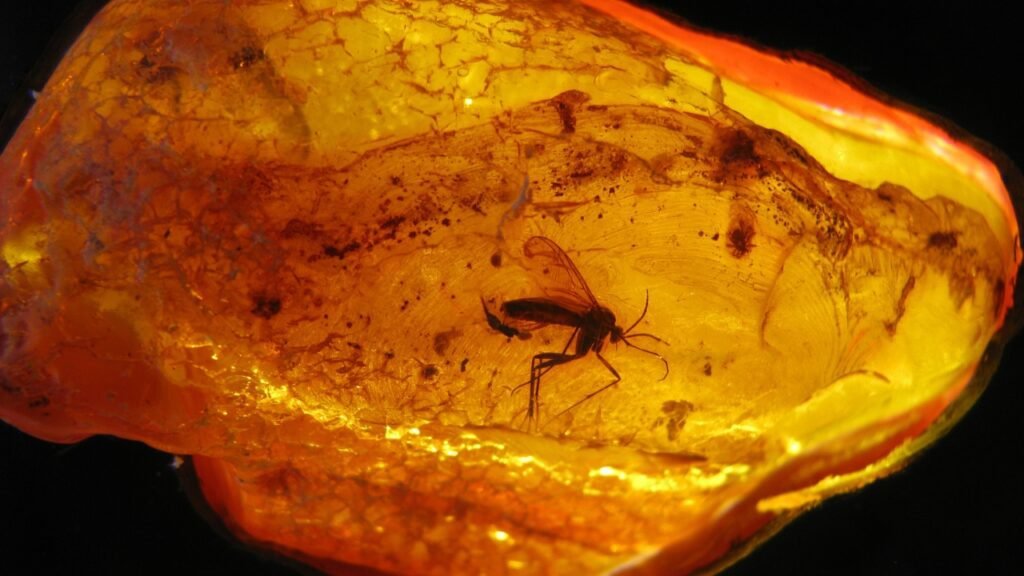
Amber is very valuable to scientists. It has preserved more than 1,000 extinct plants and animals, giving us clues about prehistoric ecosystems. These trapped inclusions act like a time capsule from millions of years ago. Insects, leaves, and even tiny feathers have been found perfectly sealed inside amber, offering rare details that fossils alone cannot provide. Such discoveries help researchers understand ancient climates, evolutionary changes, and the diversity of life that once existed on Earth. For science, amber is not just a gem, it is a window into deep history.

Amber has preserved more than 1,000 extinct plants and animals

Look and Feel of Amber

Unlike most gemstones that feel cool, amber feels warm to the touch. Because of its low density, even large pieces of amber are surprisingly light. This lightness makes it comfortable to wear as jewelry, especially in bigger beads or pendants that would be heavy if made from stone or different metals. Amber can even float in saltwater, a property that once helped people distinguish it from imitations. These unique physical traits set amber apart from traditional gemstones and add to its charm.

Copal vs Amber

Copal is a resin that is similar to amber and often mistaken for it. Like amber, it can contain trapped insects, but these insects are not extinct as they often are in amber. The main difference between the two is age: copal is usually less than 30 million years old, while amber formed tens of millions of years earlier. Because of its younger age, copal is softer and less stable, making it more likely to scratch, crack, or even melt under heat. Jewelers and collectors sometimes use copal as a lower-cost alternative, but experts can distinguish it by its clarity, surface feel, and reaction to solvents like acetone. Understanding this difference helps buyers recognize why true amber is rarer, more durable, and more valuable than copal.

baltic
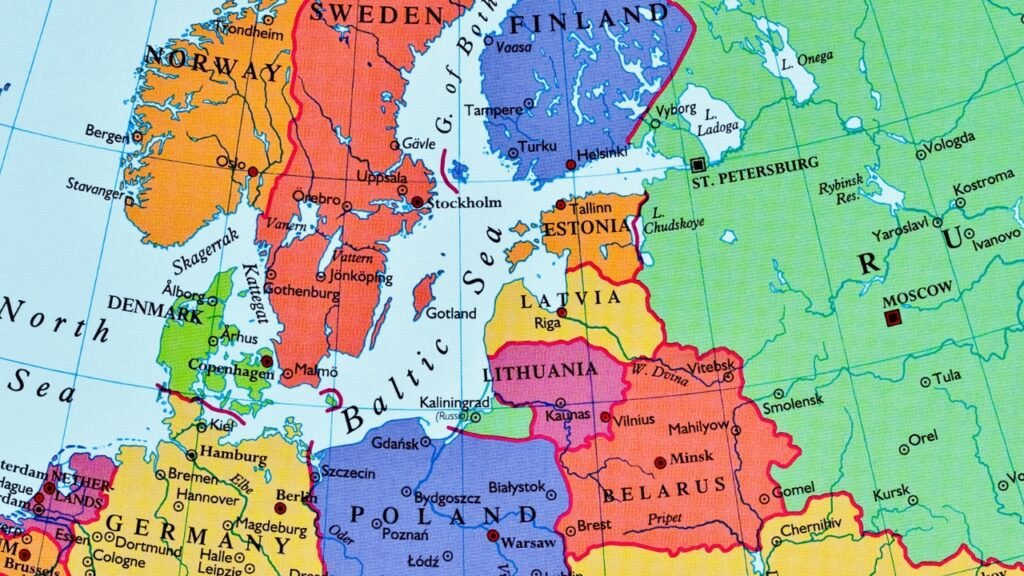
The largest deposits of amber are located in the Baltic region

Amber Around the World

Amber can be found in many places around the world, including Germany, Italy, Myanmar, Mexico, Canada, Arkansas, and New Jersey. The largest deposits, however, are located in the Baltic region. Kaliningrad Oblast in Russia is especially famous for its rich amber reserves. This area has supplied the majority of the world’s amber for centuries, with pieces often washing up naturally along the shores of the Baltic Sea. Poland, Lithuania, and Latvia are also well-known sources, and their amber is regarded as some of the finest due to its great age and clarity. The wide distribution of deposits shows how amber formed under different conditions across the globe, yet the Baltic region remains the heart of its production.

The Use and Care of Amber

People use amber for jewelry, carvings, and decorative objects. Because it is soft, measuring only 2–2.5 on the Mohs scale of hardness, it should be handled with care. The safest way to clean amber is with a soft, damp cloth. Harsh chemicals, ultrasonic cleaners, or even prolonged exposure to direct sunlight can damage its surface or cause it to lose its shine. To keep amber looking its best, it is also recommended to store it separately from harder gemstones that could scratch it. With gentle care, amber can retain its warm glow and remain a cherished piece for generations.

amber
Amber is fossilized tree resin that formed millions of years ago

Login Required