
AMAZONITE
The Gemstone Inspired by the Amazon River
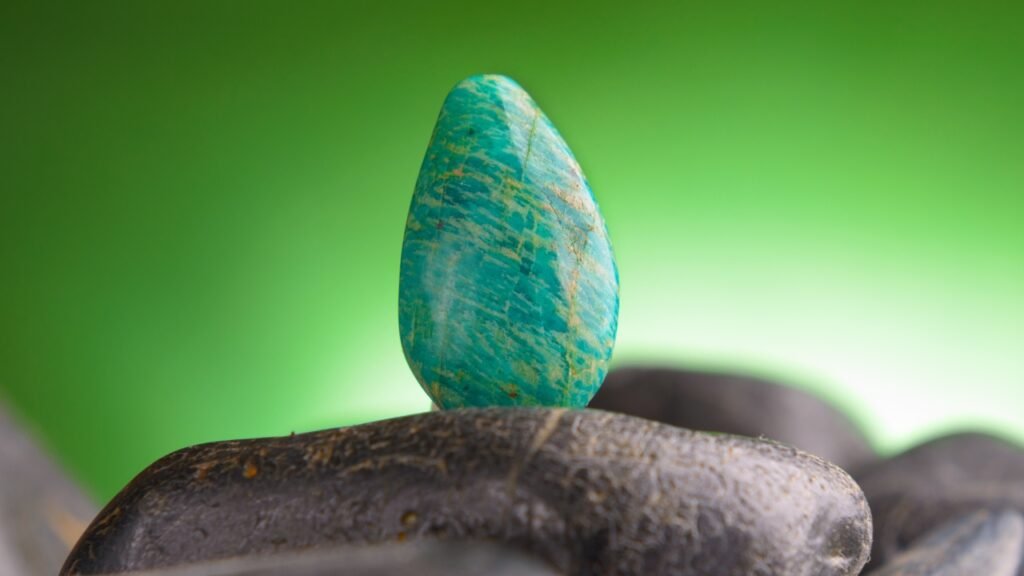
Amazonite is a captivating gemstone known for its beautiful blue-green color and long history of appreciation across different cultures. From ancient civilizations to modern jewelry, this unique variety of feldspar continues to attract attention because of its distinctive appearance, fascinating origin, and natural beauty.
1. What is Amazonite
Amazonite is a variety of microcline, a potassium-rich mineral belonging to the feldspar family. It is the only variety of microcline commonly used as a gemstone. Feldspar minerals are a diverse group of silicates that make up about 60% of Earth’s crust.
2. What color is Amazonite
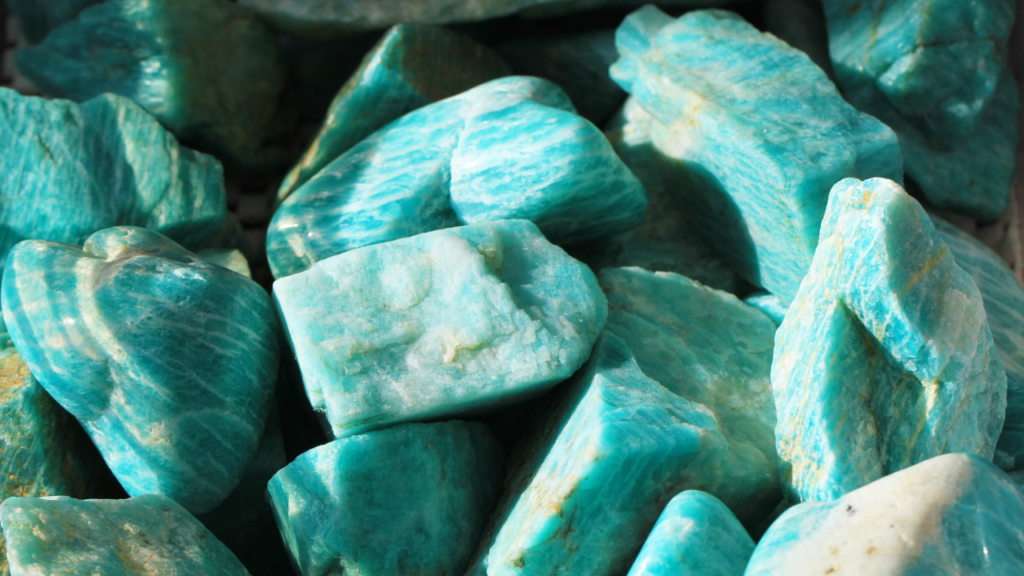
Amazonite ranges in color from light green to deep blue-green, creating its distinctive appearance. For many years, the origin of this color remained a mystery. Scientific research in 1985 confirmed that amazonite’s famous green-blue glow comes from a unique combination of lead impurities and water trapped within the feldspar’s crystal structure.
3. A Gem of Ancient Civilizations
Amazonite has been treasured for more than 2,000 years. It has been discovered at archaeological sites in ancient Egypt and Mesopotamia, where it was carved into amulets and ornaments. Its use in these civilizations reflects not only its beauty but also its cultural and spiritual importance.
4. How did Amazonite get its name
In 1847, German mineralogist Johann Friedrich August Breithaupt named the gemstone after the Amazon River, although no deposits have ever been found in the Amazon rainforest itself. Instead, amazonite occurs in places such as Brazil and Peru. The name likely reflects the stone’s exotic appearance and deep green-blue color, which resemble tropical landscapes.
5. Where else can Amazonite be found
Significant deposits of amazonite are found in the United States, Ethiopia, and Canada, as well as in China, Myanmar, Pakistan, and Russia. Each location produces stones with slightly different shades and natural patterns.
6. How hard and durable is Amazonite
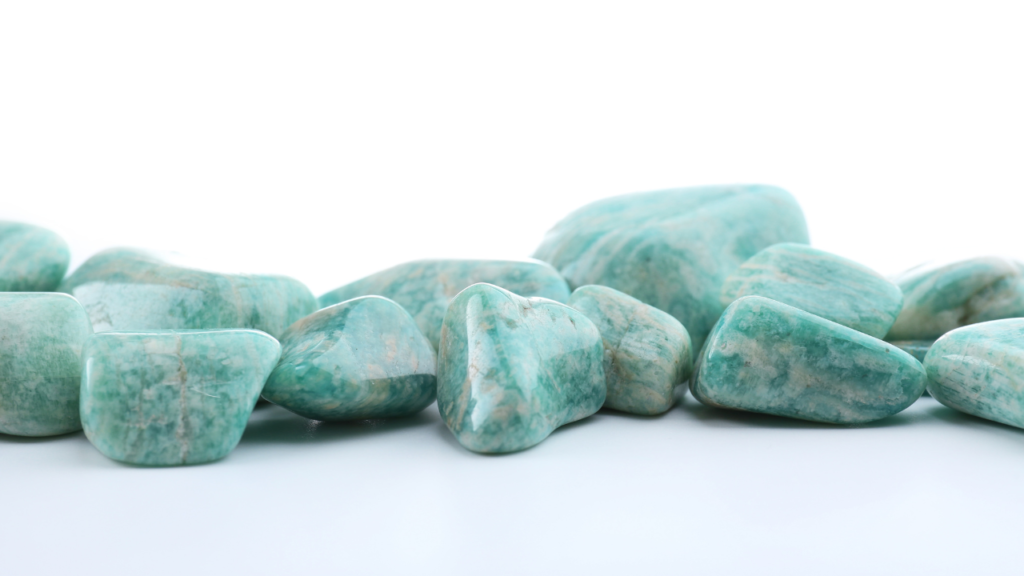
Amazonite has a hardness of 6 to 6.5 on the Mohs scale, giving it moderate strength compared with other gemstones. While durable enough for jewelry, it should be worn with care because it can chip or scratch more easily than harder stones such as sapphire or diamond.
7. Refractive Index of Amazonite
Amazonite has a refractive index of 1.522–1.530, meaning that light bends moderately as it passes through the gemstone. This creates a soft, gentle glow rather than the intense brilliance seen in high-refractive-index gemstones like diamond. Its beauty comes mainly from its unique blue-green color and smooth, polished appearance.
8. How to Clean Amazonite Jewelry
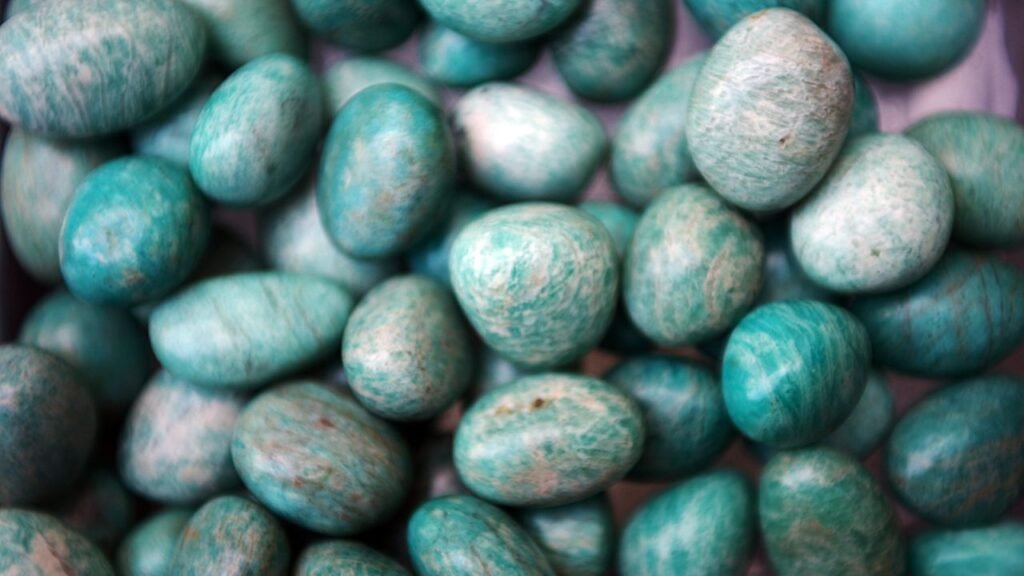
Amazonite jewelry should be cleaned gently using a soft toothbrush and warm, soapy water. Harsh chemicals and ultrasonic cleaners should be avoided to protect its natural color. It is also recommended to store amazonite separately from harder gemstones to prevent scratches. Proper care helps preserve its beauty and surface over time.
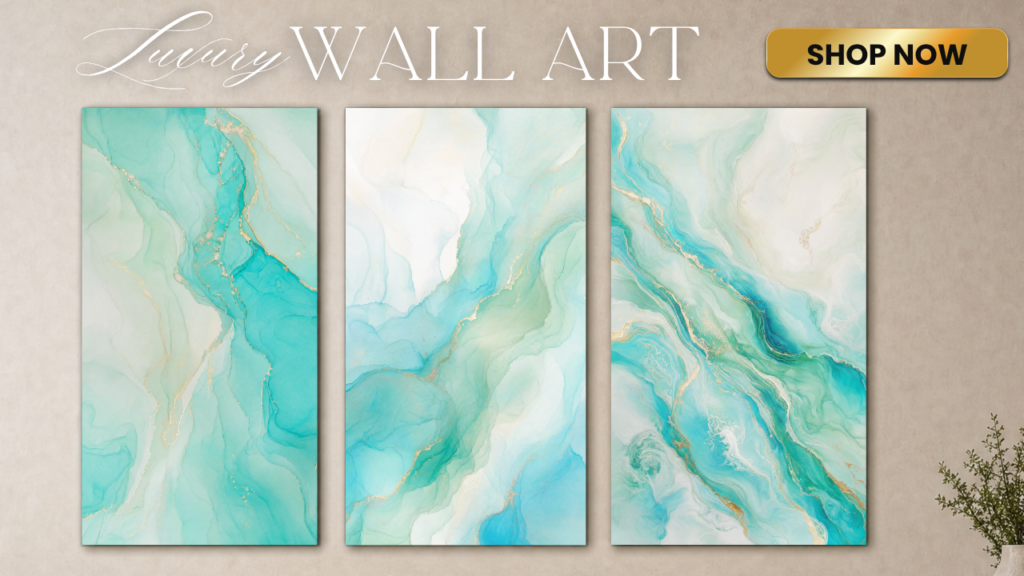
Inspired by the colors and character of amazonite, discover the Gemstone Fusion Wall Art Collection below — a curated set of three artistic pieces created to bring the essence of this remarkable gemstone into your space.
📌 Amazonite: Summary
- Mineral: Blue-green variety of microcline (feldspar family)
- Color comes from trace amounts of lead and water in the crystal
- Used in ancient Egypt and Mesopotamia
- Named in 1847 after the Amazon River (no deposits found there)
- Found in the U.S., Ethiopia, Canada, Asia, and South America
- Hardness: 6–6.5 Mohs
- Refractive index: 1.522–1.530