
EMERALD
Legendary Green Gem
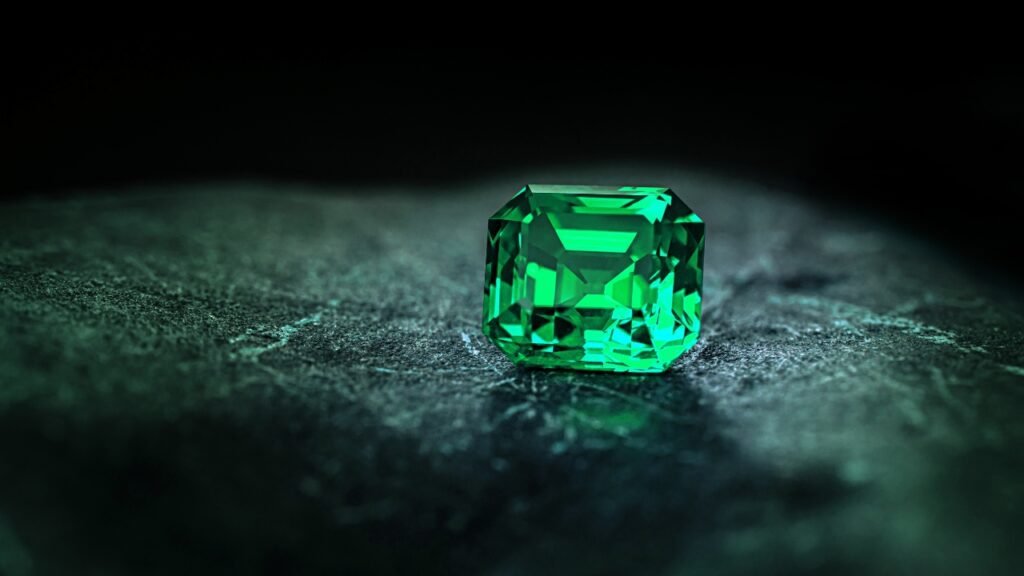
Emerald has captivated people for thousands of years, inspiring stories, legends, and fascination across civilizations. Its journey from the depths of the Earth to a treasured gemstone is a story shaped by nature, time, and remarkable geological processes.
1. What Is Emerald?
Emerald is the green to bluish-green variety of the mineral beryl. Another well-known gemstone from the beryl family is aquamarine, which ranges from green-blue to blue in color. The name “emerald” comes from the ancient Greek word smaragdus, meaning “green.” Its rich green tones have made it one of the most recognizable and admired gemstones throughout history, symbolizing luxury, elegance, and vitality.
2. Ancient Origins
The first known emerald mines were established in Egypt around 330 BC. Cleopatra, the famous queen of Egypt, was an admirer of emeralds and treasured them greatly. She decorated herself and even her palace with these gemstones, making them a symbol of beauty and power. Emeralds were also believed to bring wisdom and foresight to their wearer, enhancing the allure of these legendary gems.

3. Emeralds in the New World
In the 16th century, Spanish explorers invaded the New World and discovered that the Incas had been using emeralds for more than 500 years. These gemstones were not only part of jewelry but also played an important role in religious ceremonies. Through Spanish trade, emeralds eventually made their way into the hands of European and Asian royalty. The fascination with emeralds spread rapidly, cementing their status as a symbol of wealth, authority, and divine beauty.
4. Sources of Emeralds Today
Today, most emeralds come from Colombia, Zambia, Brazil, Ethiopia, and Zimbabwe. Colombia is especially famous for producing some of the world’s finest emeralds with deep, vivid color. These countries remain the leading sources of emeralds in the global jewelry market.
5. Sources of Emeralds Today
Today, most emeralds come from Colombia, Zambia, Brazil, Ethiopia, and Zimbabwe. Colombia is especially famous for producing some of the world’s finest emeralds with deep, vivid color. These countries remain the leading sources of emeralds in the global jewelry market.
6. What Gives Emeralds Their Color?
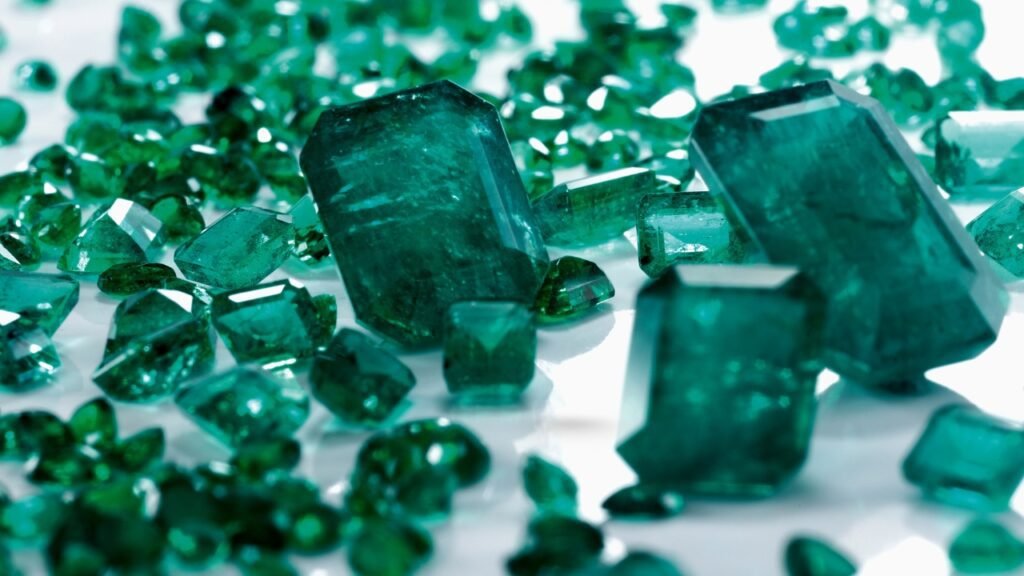
The green color of emerald comes from trace amounts of chromium or vanadium. If the beryl is too light in tone, it cannot be classified as an emerald and is instead considered green beryl. Only beryl that is medium to dark in tone earns the title of “emerald.” The intensity of the green hue often determines the gem’s value, with deeper, more saturated greens being the most prized.
7. The Emerald’s Garden
Most emeralds contain inclusions, which are natural features formed inside the stone. These inclusions are often called jardin, the French word for garden, because they resemble tiny plant-like patterns. Eye-clean emeralds, without visible inclusions, are very rare and therefore extremely valuable. Many collectors appreciate these internal patterns as a signature of authenticity, giving each emerald a unique character and story.
8. Size and Appearance
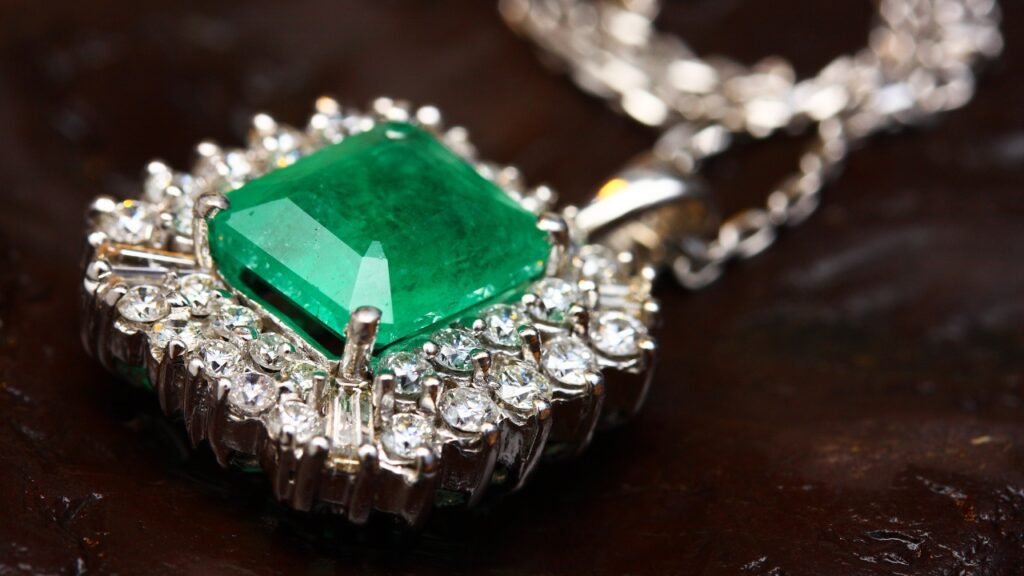
Because emerald has a lower density compared to other gemstones, a one-carat emerald will appear larger than a one-carat diamond. This makes emeralds especially striking in jewelry pieces. Their vivid color and unique look give them a timeless appeal. Paired with complementary gemstones or set in classic designs, emeralds can create truly unforgettable pieces of jewelry.
9. Hardness and Jewelry Use
On the Mohs scale of hardness, emeralds rank between 7.5 and 8. This makes them durable enough for jewelry, though they still require some care when worn daily. With proper setting and handling, emeralds can last for generations. Jewelers often reinforce their settings with protective designs to help safeguard these precious stones while showcasing their vibrant color.
10. The Symbolism of Emeralds
Emerald is traditionally associated with renewal, love, and prosperity. It is the birthstone for the month of May, making it a meaningful gift for those born in that month. It is also the gemstone for celebrating 20th and 35th wedding anniversaries. Many cultures also regard emeralds as symbols of hope, fertility, and eternal life, further adding to their mystique and allure.
11. Refractive index
The refractive index of emerald, typically 1.577–1.583, determines how much light bends as it enters the gemstone. This moderate bending gives emerald a bright, lively appearance with noticeable depth and a gentle glow.
12. How to Clean Emerald
Although emeralds are strong, they still need gentle care. The safest way to clean an emerald is by scrubbing it softly with a toothbrush and warm soapy water. With proper cleaning and careful handling, emeralds can keep their brilliant green color for years to come. Storing them separately from harder gemstones also prevents scratches and ensures their beauty remains intact over time.
Inspired by the remarkable color of emeralds, discover the Gemstone Fusion Wall Art Collection, a curated set of three artistic pieces designed to capture the unique colors and character of this extraordinary gemstone.

📌 Emerald: Summary
- Green to bluish-green beryl;
- Color from chromium or vanadium
- First mined in Egypt (~330 BC); Cleopatra admired
- Valued by Inca civilization and European royalty
- Mined in Colombia, Zambia, Brazil, Ethiopia, Zimbabwe
- Colombian emeralds prized for deep green
- Natural inclusions called “jardin”
- Lower density than diamonds
- Hardness 7.5–8 on Mohs scale
- Birthstone for May
- Gem for 20th and 35th anniversaries