
AMBER
From Ancient Tree Resin to a Beautiful Gemstone
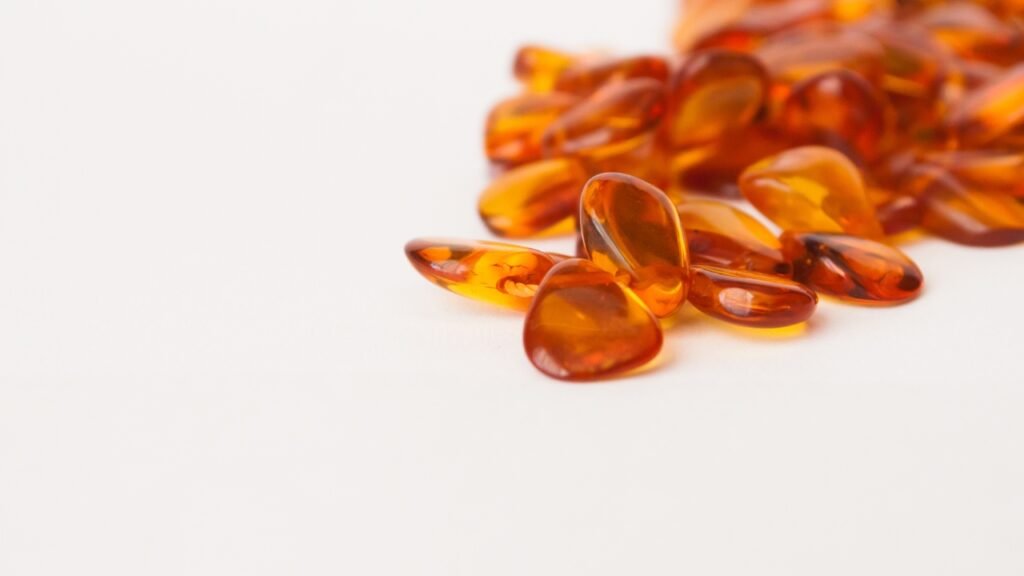
Amber is among the world’s most recognizable organic gemstones, admired for both its natural beauty and scientific significance. For centuries, it has remained a source of fascination for collectors and researchers alike.
1. What is amber?
Amber is an organic gemstone formed from the resin of ancient trees. Over millions of years, the resin slowly hardened and was preserved within the earth. Through this natural process, it became the golden, gem-like material we recognize today as amber.
2. From Resin to Stone
The transformation begins as tree resin undergoes polymerization, a natural process in which its molecules bond together and gradually harden over time. Combined with heat, pressure, and millions of years beneath layers of sediment, the resin becomes stable and fossilized. This extraordinary journey from sticky tree resin to a beautiful organic gemstone is what makes amber truly unique.
3. The History of Amber
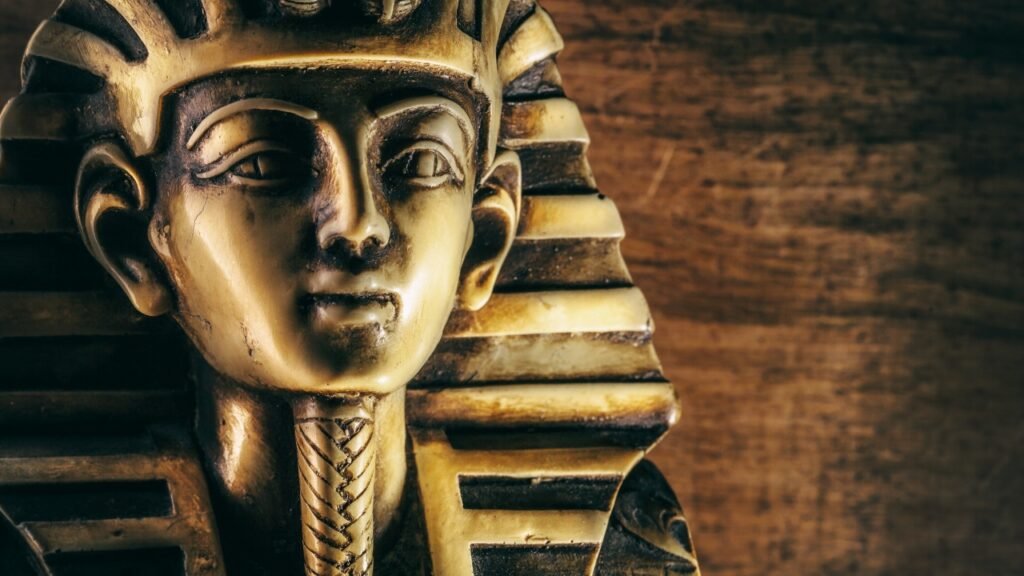
Amber has been prized for its beauty and cultural significance since ancient times. Egyptian Pharaoh Tutankhamun was buried with carved amber ornaments believed to accompany him into the afterlife. The ancient Greeks called it elektron because rubbing it against cloth produces static electricity—a discovery that later inspired the word “electricity.” During the Middle Ages, amber was burned as a fumigant and worn as an amulet, as many believed it offered protection against illness and misfortune. Its value also made it a highly sought-after trade commodity along the famous Amber Road, linking the Baltic region with the Mediterranean.
4. A Scientific Time Capsule
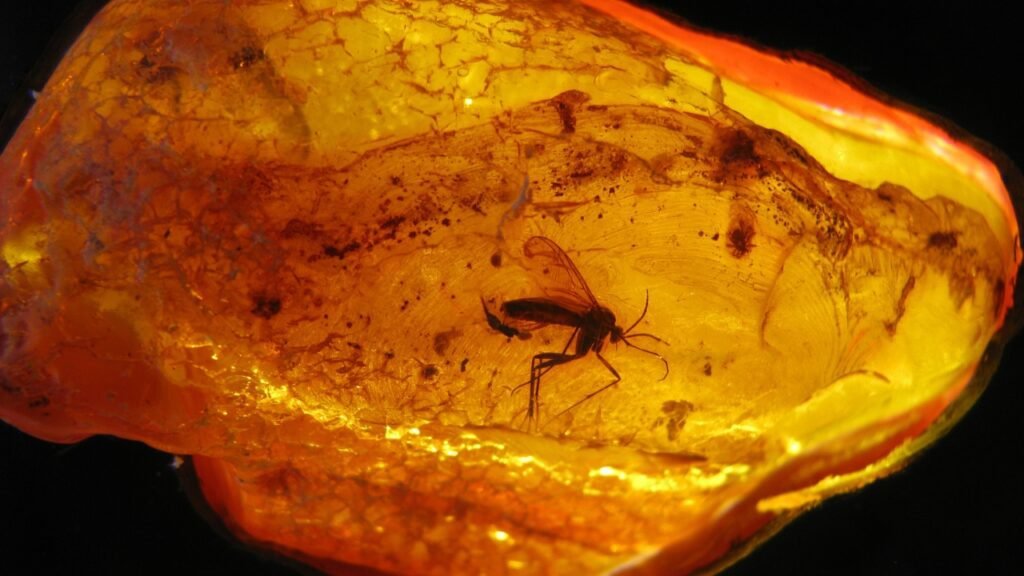
For scientists, amber is far more than a gemstone. It is a remarkable window into Earth’s distant past. Over millions of years, it has preserved thousands of plants, insects, and other organisms in extraordinary detail, offering valuable insights into prehistoric ecosystems. These natural time capsules help researchers study ancient climates, evolutionary changes, and the diversity of life that once existed on Earth.
5. Amber’s Natural Qualities
Unlike most gemstones that feel cool, amber feels warm to the touch. Because of its low density, even large pieces of amber are surprisingly light. Amber can even float in saltwater, a property that helps distinguish it from many imitations.
6. Where Amber Is Found?
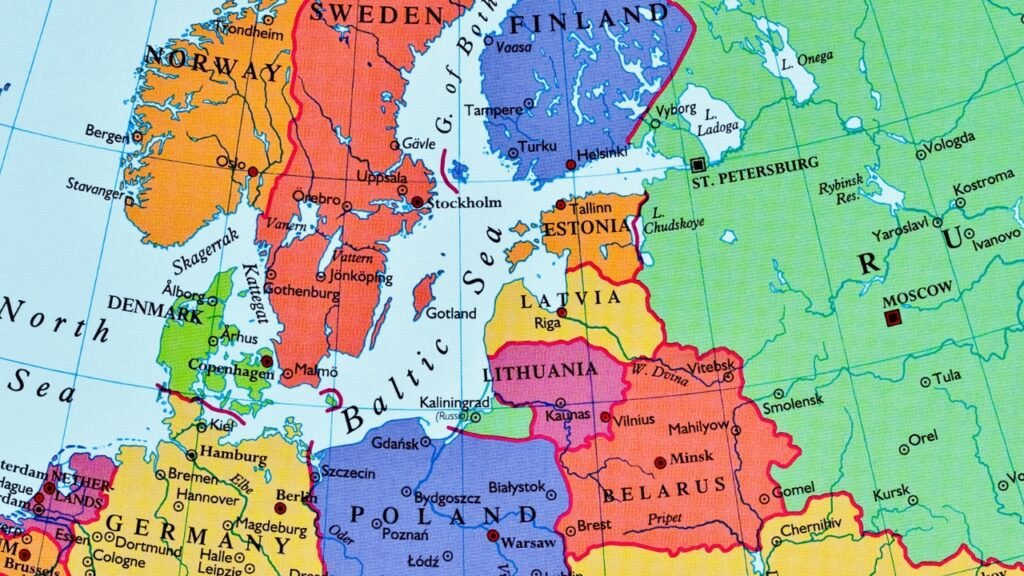
Amber is found in many places around the world, including Germany, Italy, Myanmar, Mexico, Canada, Arkansas, New Jersey, Poland, Lithuania, and Latvia.The largest deposits, however, are located in the Baltic region. Kaliningrad Oblast in Russia is especially famous for its rich amber reserves. For centuries, this region has supplied the majority of the world’s amber, with prized pieces often washing up naturally along the Baltic Sea shores.
7. Copal vs Amber
Copal is a younger tree resin that closely resembles amber and is often mistaken for it. The main difference is age: copal is generally less than 30 million years old, where as amber formed tens of millions of years earlier. Like amber, it can contain trapped insects and plant material, but these inclusions are typically from species that still exist today.
8. Refractive index
Amber has a refractive index of approximately 1.54, meaning it bends light moderately as it passes through the gemstone. This gives amber a warm, soft glow rather than the intense brilliance seen in gemstones with higher refractive indices, such as diamonds.
9. How Hard Is Amber?
Amber is widely used for jewelry, carvings, and decorative objects due to its natural beauty and unique appearance. However, it is a relatively soft material, measuring only 2 to 2.5 on the Mohs scale of hardness, which means it requires careful handling to avoid scratches and damage.
10. How to Clean Amber?
The safest way to clean amber is with a soft, damp cloth. Harsh chemicals, ultrasonic cleaners, or even prolonged exposure to direct sunlight can damage its surface or cause it to lose its shine. To keep amber looking its best, it is also recommended to store it separately from harder gemstones that could scratch it.
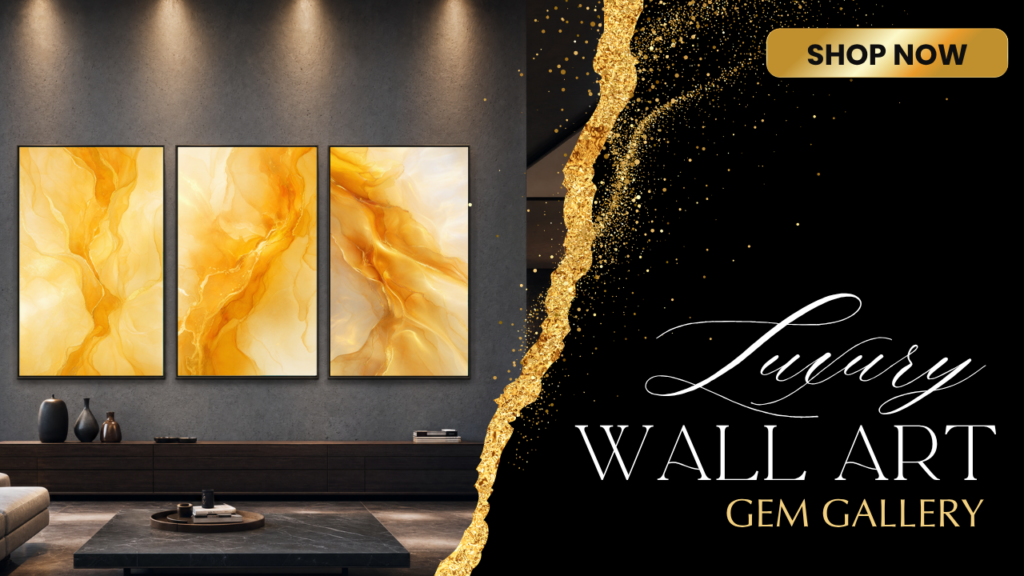
Inspired by the remarkable color of amber, discover the Gemstone Fusion Wall Art Collection, a curated set of three artistic pieces designed to capture the unique colors and character of this extraordinary gemstone.
📌 Amber: Summary
- Organic gem from ancient tree resin
- Tutankhamun was buried with
carved pieces of amber - Called “Elektron” by the Greeks
- Preserves over 1,000 extinct plants and animals
- Light, warm to the touch, and can float in saltwater
- Largest deposits in the Baltic region
- Copal is similar to amber but younger
- 2–2.5 on the Mohs scale of hardness