
BAROQUE MUSIC
Part 3 (c. 1600–1750)
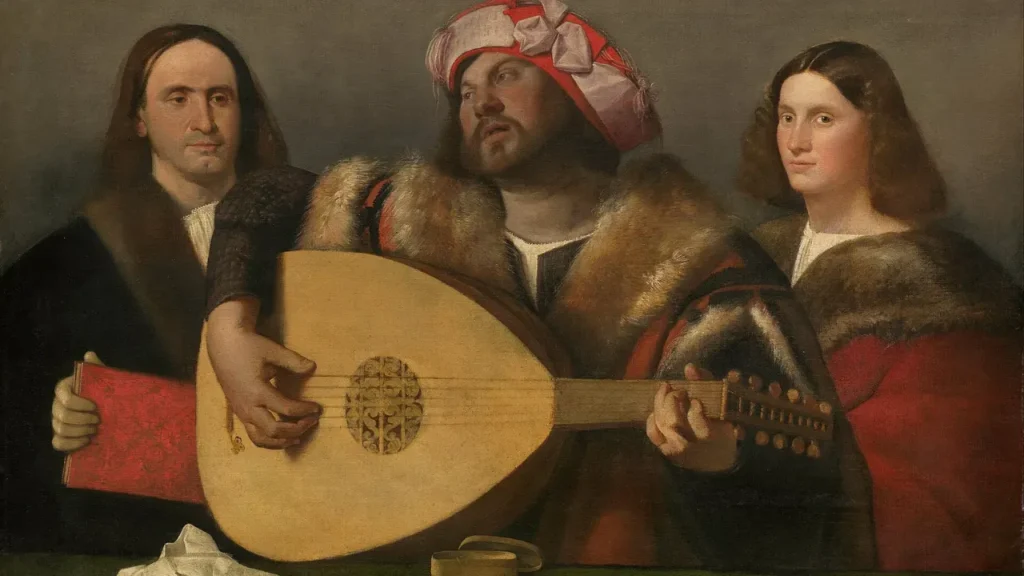
1. Concerto for Oboe and Strings No. 2 (T. Albinoni)
Concerto for Oboe and Strings No. 2 in D minor, Op. 9 by Tomaso Albinoni (1671–1751) is a well-known Baroque work published in 1722. It is structured in three movements: Allegro e non presto, Adagio, and Allegro. The Adagio is especially noted for its expressive, lyrical oboe line.
2. Sarabande in D Minor (G.F. Handel)
George Frideric Handel (1685–1759) composed the Sarabande as part of his Keyboard Suite in D minor (HWV 437) between 1703 and 1706. Originally a lively dance with origins in Central America, it later became popular in Europe despite being banned in Spain for its perceived impropriety. Handel transformed it into a slow, expressive Baroque piece and added two variations. The Sarabande remained little known until it was featured in Stanley Kubrick’s Barry Lyndon (1975), which renewed its popularity. Today, it is widely recognized for its slow, powerful melody and haunting character.
3. The Arrival of the Queen of Sheba (G. F. Handel )
“The Arrival of the Queen of Sheba” is the brilliant sinfonia that opens Act III of Solomon by George Frideric Handel (1685–1759). Composed in 1748 and premiered in 1749, the music is bright, energetic, and festive, creating an atmosphere of joyful anticipation. Rather than depicting the Queen’s actual entrance, it portrays the lively preparations for her arrival. Handel originally titled it simply “Sinfony,” and the familiar modern name was likely given later by Sir Thomas Beecham.
4. Autumn-Four Seasons (A. Vivaldi)
The Four Seasons (Le quattro stagioni) is a set of four violin concertos by Antonio Vivaldi (1678–1741), each depicting a season: Spring, Summer, Autumn, and Winter. Composed around 1718–1723 and published in 1725 in Amsterdam as part of Il cimento dell’armonia e dell’inventione, it is his most famous work. The music is notable for its vivid, programmatic style. In Autumn, Vivaldi portrays harvest celebrations and a lively hunt, bringing the season to life through sound.
5. Lascia Ch'io Pianga (G.F. Handel )
“Lascia ch’io pianga” (“Let Me Weep”) is an aria by the Baroque composer George Frideric Handel (1685–1759). The melody first appeared in his 1705 opera Almira as a dance, and later in the 1707 oratorio Il trionfo del Tempo e del Disinganno with different words. In 1711, Handel used it again in his opera Rinaldo, where it became world-famous and closely associated with the work.
6. Prelude and Fugue in C Major (J.S. Bach)
The Prelude and Fugue in C Major, BWV 846 is a famous keyboard piece by Johann Sebastian Bach (1685-1750). It is the first prelude and fugue in the first book of The Well-Tempered Clavier, a collection of 48 preludes and fugues that Bach wrote to explore all keys. An earlier version of the prelude, called BWV 846A, can be found in a notebook Bach made for his son, Wilhelm Friedemann. A prelude is a short, flowing piece that introduces a musical idea, while a fugue is a more complex composition where a theme is developed by multiple voices.
7. Summer-Four Seasons (A. Vivaldi)
The Four Seasons (Le quattro stagioni) is a set of four violin concertos by Antonio Vivaldi, each depicting a different season of the year: Spring, Summer, Autumn, and Winter. The works were composed around 1718–1723 and published in 1725 in Amsterdam as part of a larger collection titled Il cimento dell’armonia e dell’inventione (“The Contest Between Harmony and Invention”), Op. 8.
Each concerto is accompanied by descriptive sonnets that illustrate the musical imagery, making it one of the earliest and most detailed examples of programmatic music. The work became Vivaldi’s most famous composition and remains one of the most widely recognized pieces in the classical repertoire.
In Summer, Vivaldi vividly portrays intense heat, buzzing insects, birdsong, and the growing tension of an approaching storm. The concerto concludes with a dramatic thunderstorm, capturing both the beauty and power of nature through music.
Test your knowledge and collect: 🪙 & ⭐