
Zultanite
The Color-Changing Gem of Turkey
What is Zultanite?
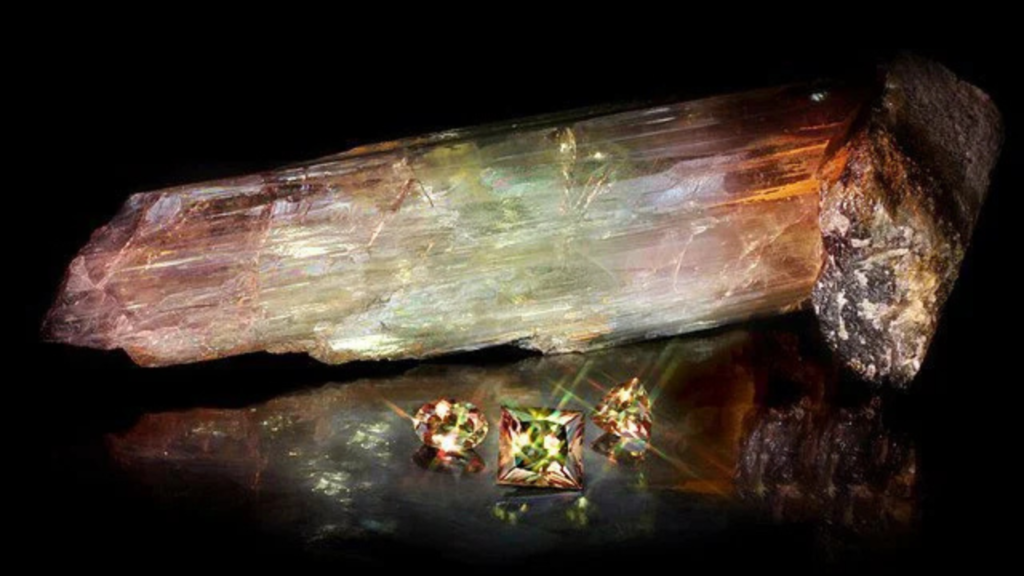
Zultanite, also known as Csarite, is the trade name for the gem-quality variety of the mineral diaspore. It is a remarkable color-changing gemstone that has gained attention for its unique optical properties. Depending on the light source, its color can shift dramatically, making it highly desirable among collectors and jewelry lovers. In natural sunlight, it often a kiwi green tone, while indoor lighting reveals soft champagne hues. Under candlelight, it can transform into warm raspberry shades, showcasing its dynamic beauty.
Composition and Color Change
The fascinating color change of Zultanite is caused by trace elements within the stone. These include chromium, iron, titanium, and manganese, which interact with light in different ways. This natural composition is what gives the gemstone its vibrant and shifting palette. Unlike treated stones, Zultanite’s colors are entirely natural and not enhanced. This makes each gem unique, with subtle variations in tone and intensity.
Rarity and Origin
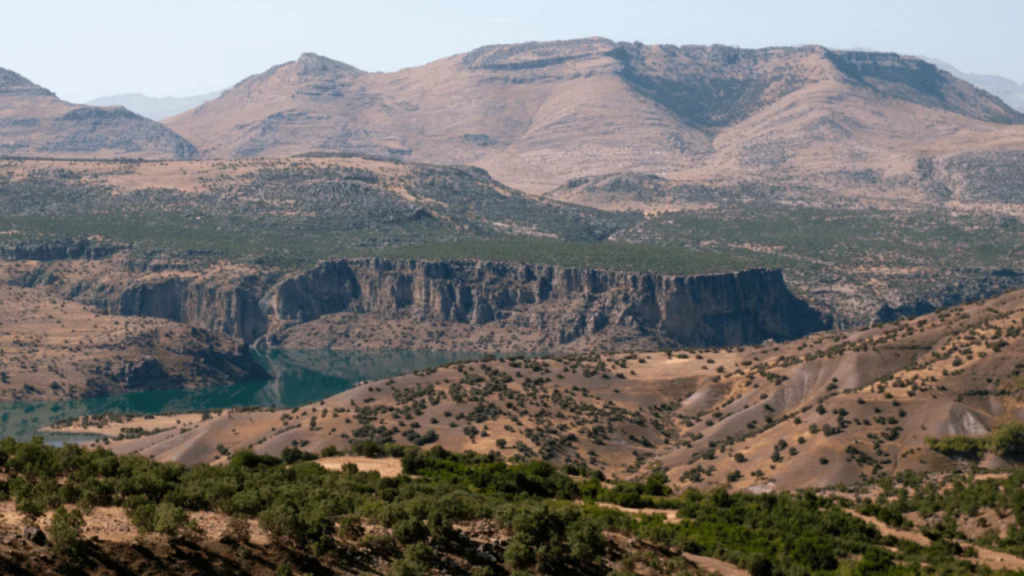
Zultanite is considered an extremely rare gemstone, adding to its exclusivity and value. Although it was first discovered in the early 1950s, commercial mining only began in 2006. What makes it even more special is that it is mined in only one location in the world. This source is found in Turkey’s remote Anatolian Mountains, about 4,000 feet above sea level near the village of Selimiye. The limited supply and single origin contribute greatly to its rarity.
History and Naming
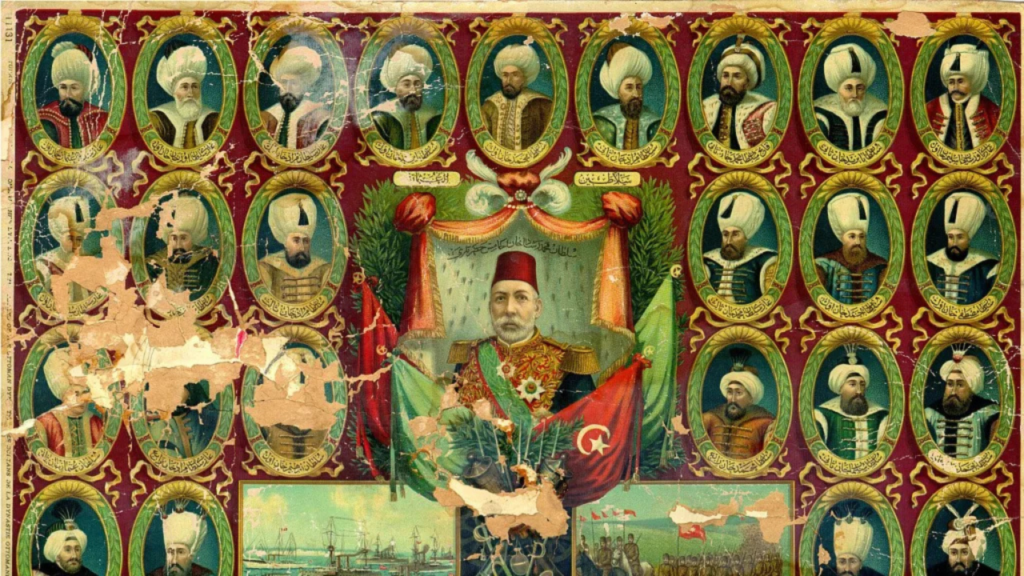
The name “Zultanite” was chosen to honor the 36 sultans of the Ottoman Empire, who ruled from 1299 to 1922. This historical connection gives the gemstone a sense of heritage and prestige. The alternative trade name “Csarite” is also used in the market. Its association with royalty and history enhances its appeal among collectors. The gemstone’s story adds depth beyond its physical beauty.
Cutting and Value
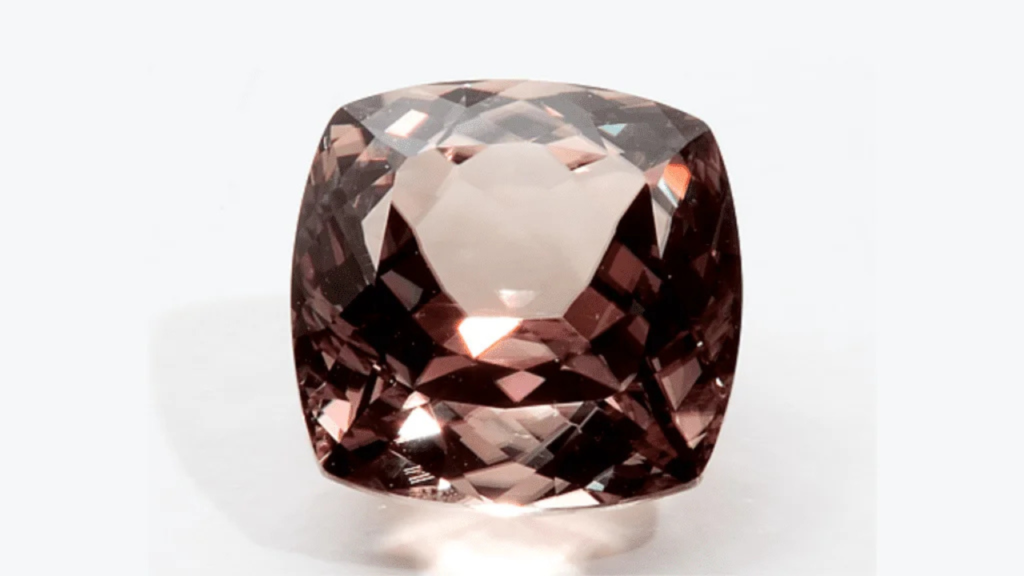
Zultanite is not only rare in nature but also difficult to process. During the cutting phase, nearly 97% of the original crystal is lost, making high-quality stones even more scarce. Gems that exceed 5 carats are exceptionally rare and highly prized. This significant loss during cutting increases the value of finished stones. As a result, well-cut Zultanite gemstones are considered premium pieces.
Natural Purity and Properties
One of the most unique aspects of Zultanite is its complete natural state. It is among the few gemstones that undergo no treatments such as heat, fillers, or radiation. This purity makes it especially appealing to those seeking authentic, untouched gems. In addition to its physical qualities, it is believed to have metaphysical benefits. Many associate it with enhancing memory and reducing stress.
Care and Durability
Zultanite has a hardness of 6.5 to 7 on the Mohs scale, making it suitable for most types of jewelry with proper care. Although relatively durable, it should still be handled with attention to avoid scratches or damage. The best way to clean Zultanite jewelry is by using a soft brush and mild soapy water. Harsh chemicals and ultrasonic cleaners should be avoided. With proper maintenance, its beauty can be preserved for generations.
📌 Zultanite: Summary
- Gem-quality variety of diaspore; natural color-changing gemstone
- Color shifts: kiwi green (daylight), champagne (indoor),
raspberry (candlelight) - Color change from chromium, iron, titanium, manganese
- Extremely rare; mined only in Turkey (Anatolian Mountains)
- Discovered 1950s; commercial mining since 2006
- Named after Ottoman sultans; also called Csarite
- ~97% lost during cutting; large stones very rare
- Untreated gemstone; completely natural colors
- Hardness 6.5–7 on Mohs scale