
Zircon
The Natural Diamond Alternative
The Ancient Mineral
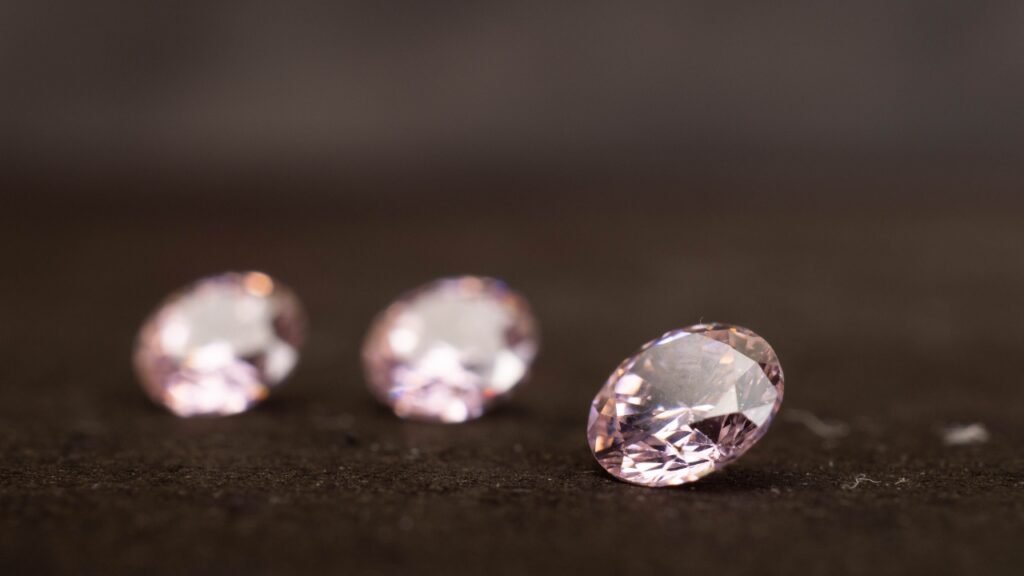
Zircon is a naturally occurring zirconium silicate mineral and is often called the “Oldest Rock on Earth,” with some specimens dating back 4 billion years. Its long history makes it one of the most ancient minerals known to humanity. Despite its age, Zircon remains widely admired for its beauty and variety. It has been used as a gemstone for nearly 2,000 years, making it a favorite among jewelers and collectors alike.
Colors and Varieties
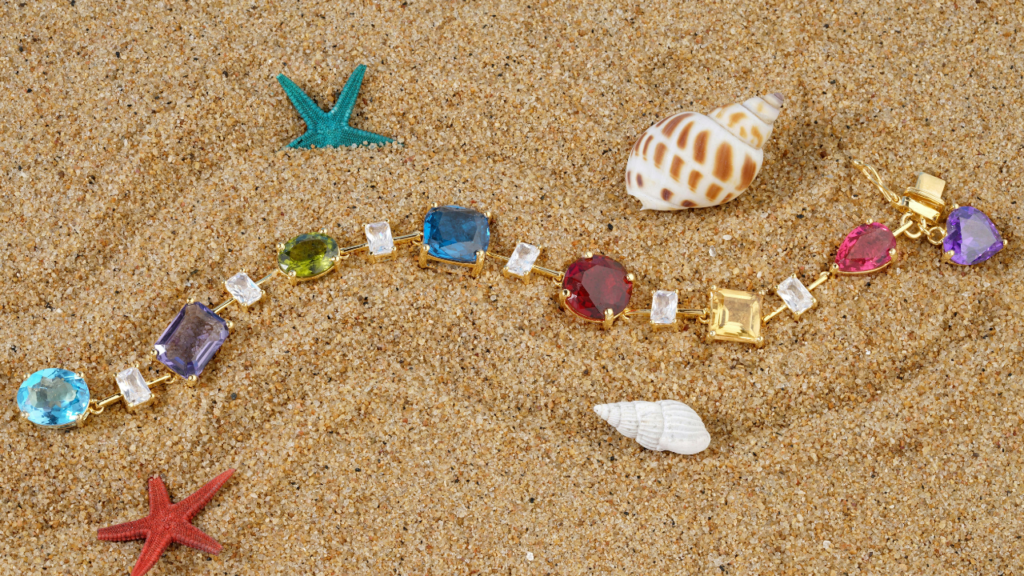
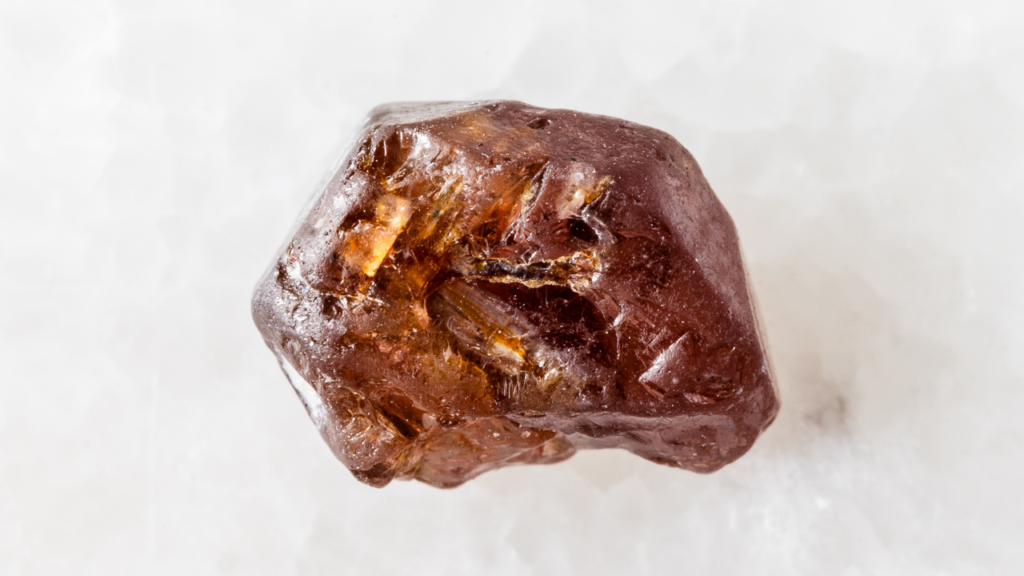
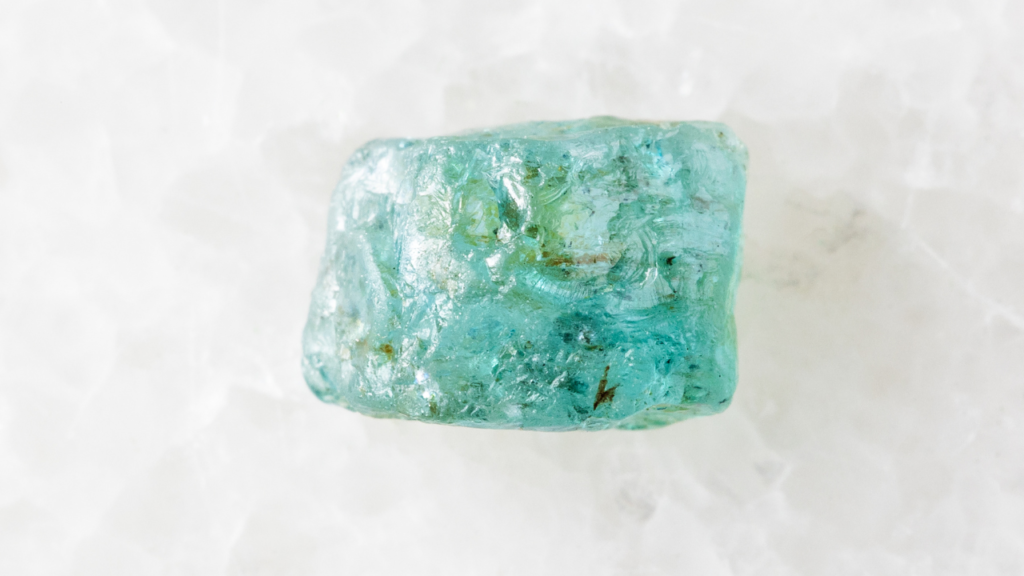
Zircon comes in a wide range of colors, including yellow, golden, green, red, reddish-brown, colorless, and blue. This variety allows it to suit many tastes and styles in jewelry. Blue Zircon was especially popular during the Victorian Era. Its diverse colors have contributed to its enduring appeal as both a decorative and symbolic gemstone.
Name and Confusions
The name “Zircon” comes from the Persian word “zargun,” meaning “gold-colored.” In the early 1900s, colorless Zircon was commonly used as a less expensive diamond substitute. Even today, many people mistakenly use “Zircon” to mean an imitation diamond. However, Zircon is completely different from man-made Cubic Zirconia, though both contain the element zirconium in their chemical structure.
Global Sources and Uses
Zircon is mined in many parts of the world, including Australia, South Africa, Sri Lanka, Cambodia, Myanmar, and Vietnam. Beyond jewelry, it is widely used in the ceramics industry. Approximately 54% of Zircon produced globally is finely ground for ceramic bodies, glazes, enamels, frits, and pigments. This industrial use makes it one of the most important minerals both for decoration and practical applications.
Symbolism and Significance
Throughout history, Zircon has carried symbolic meaning. In the Middle Ages, it was believed to drive away evil spirits, promote restful sleep, and bring prosperity and honor to its wearer. Today, it is recognized as the birthstone for December, linking it to traditions of protection and well-being. Its long-standing cultural significance adds to its charm and value.
Durability and Care
Zircon ranges from 6 to 7.5 on the Mohs scale of hardness, making it relatively durable but still requiring gentle care. To keep Zircon jewelry in the best condition, it should be cleaned with mild soapy water and a soft cloth. Harsh chemicals or abrasive cleaners can damage the stone’s surface. Proper care ensures that its natural sparkle and color remain vibrant for years.
📌 Zircon: Summary
- Natural zirconium silicate mineral;
- Among the oldest minerals on Earth (~4 billion years)
- Colors: yellow, golden, green, red, brown, colorless, blue
- Blue zircon popular since Victorian era
- Name from Persian “zargun” = gold-colored
- Often confused with cubic zirconia;
zircon is natural, cubic zirconia is man-made - Mined in Australia, South Africa, Sri Lanka, Cambodia,
Vietnam, Myanmar - Used in jewelry and ceramics industry
- December birthstone
- Hardness 6–7.5 on Mohs scale