
Topaz
From Classic Blue to rare Imperial gold
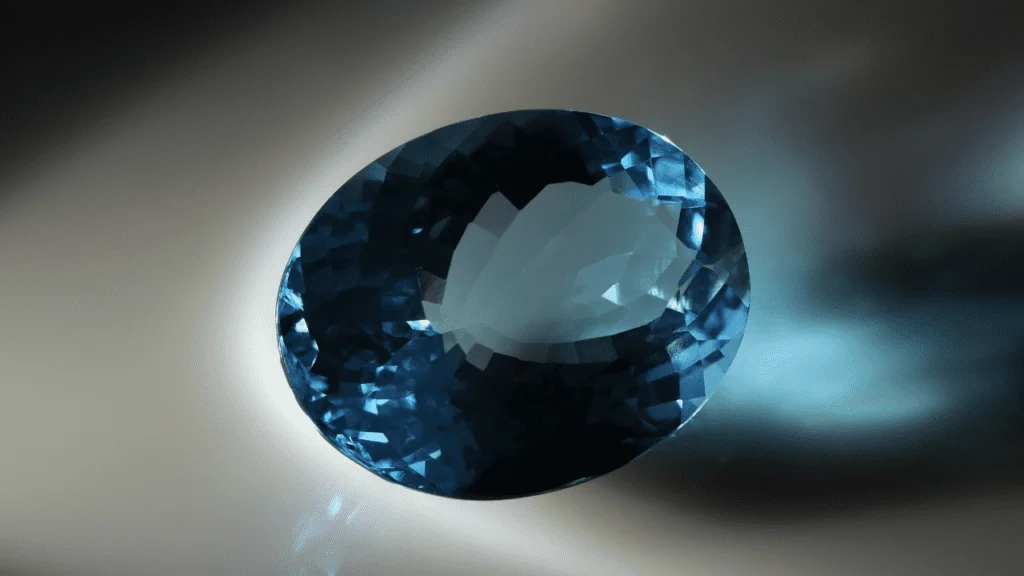
The Origins of Topaz
Topaz is a rare silicate mineral valued for its beauty and durability. Its chemical composition is a fluorosilicate of aluminum with hydroxyl. The name “topaz” is derived from the Red Sea island “Topazios,” which is now known as Zabargad. Interestingly, this island never actually produced topaz; it was famous for its deposits of peridots instead. In Sanskrit, the word “Topas” or “Tapaz” translates to “fire,” a reference to the reddish-orange hue of some topaz stones.
Colors and Varieties
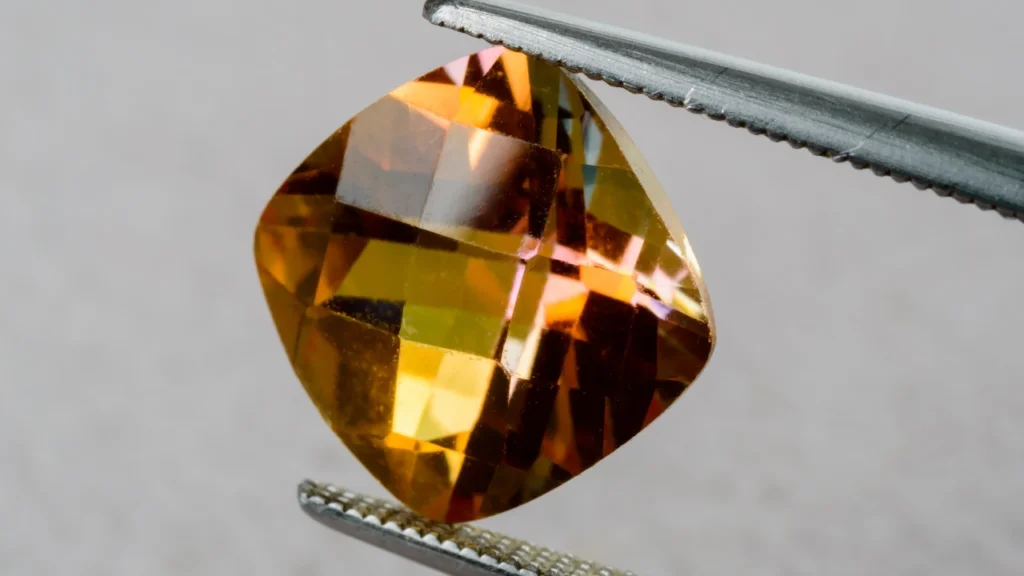
Topaz occurs in a wide array of colors including brown, green, orange, pink, red, yellow, and colorless. The most prized shade, known as “Imperial Topaz,” ranges from reddish-orange to orange-red. Stones described as “Precious Topaz” generally display yellow or orange tones. Among jewelry consumers, blue topaz is the most familiar color, although natural blue topaz is rare. Most blue topaz available in the market is created through irradiation and heat treatment.
Blue Topaz Shades
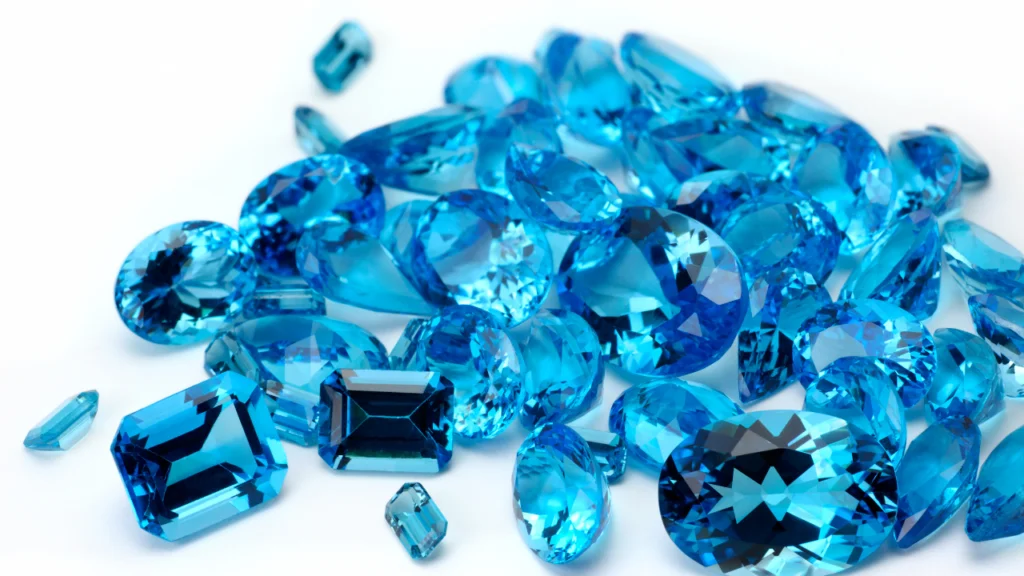
Blue topaz comes in several distinct shades, often distinguished by trade names. These include Sky Blue, Swiss Blue, and London Blue, each with a unique depth and intensity. The treatment process enhances the stone’s color, making it more vibrant and suitable for jewelry. Collectors and jewelers often select shades depending on personal preference and the style of the piece.
Global Sources
Topaz is mined in various locations around the world, including Brazil, Pakistan, Namibia, Nigeria, Madagascar, Mexico, Myanmar, Sri Lanka, and the United States. Each region produces stones with slightly different characteristics and hues. Brazil is particularly famous for its high-quality imperial topaz. The geographic origin can influence both the color and value of the gemstone.
Symbolism and Significance
Topaz is believed to promote joy, generosity, abundance, and good health. It has long been associated with positive energy and protective qualities. The gem holds special significance in birthstone traditions: Precious Topaz represents November, while Blue Topaz represents December. It also plays a role in milestone celebrations, being the gem for the 23rd and 4th wedding anniversaries, respectively.
Durability and Care
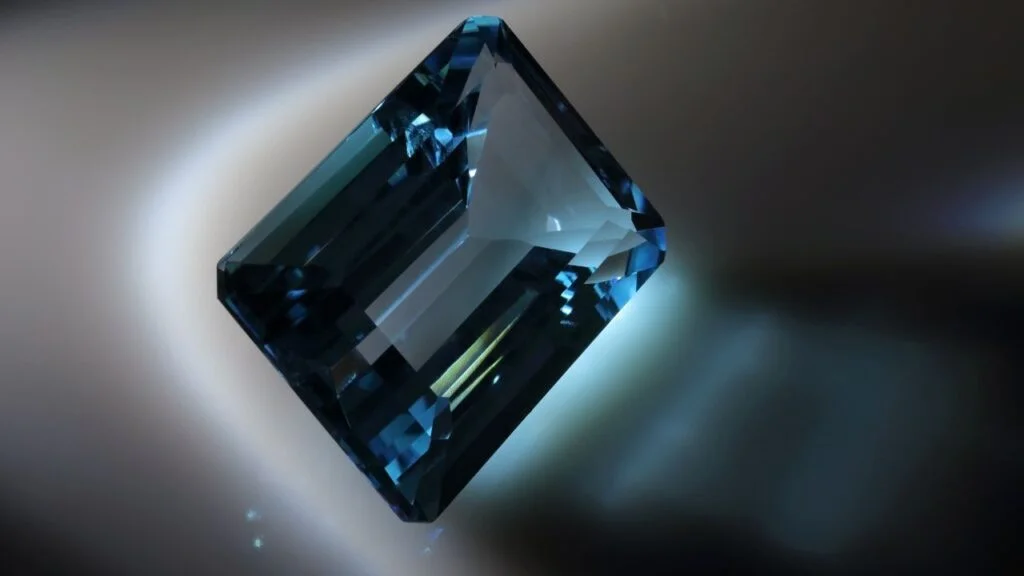
Topaz ranks 8 on the Mohs scale of hardness, making it suitable for everyday wear. Despite its durability, care is still required to maintain its brilliance. The recommended method of cleaning is warm soapy water, avoiding harsh chemicals or ultrasonic cleaners. Proper care ensures the gemstone remains vibrant for generations.
📌 Topaz: Summary
- Hard, durable silicate mineral; fluorosilicate of aluminum with hydroxyl
- Name from Red Sea island Topazios (Zabargad)
- Sanskrit “Tapaz” = fire
- Colors: brown, green, orange, pink, red, yellow, colorless
- Most prized: Imperial Topaz (reddish-orange to orange-red)
- Blue topaz common in jewelry; usually treated for vibrant color
(Sky, Swiss, London Blue) - Mined in Brazil, Pakistan, Namibia, Nigeria, Madagascar, Mexico
Myanmar, Sri Lanka, USA - November birthstone: Precious Topaz
- December birthstone: Blue Topaz
- Gem for 23rd & 4th wedding anniversaries
- Hardness 8 on Mohs scale