
ALEXANDRITE
Emerald by Day, Ruby by Night
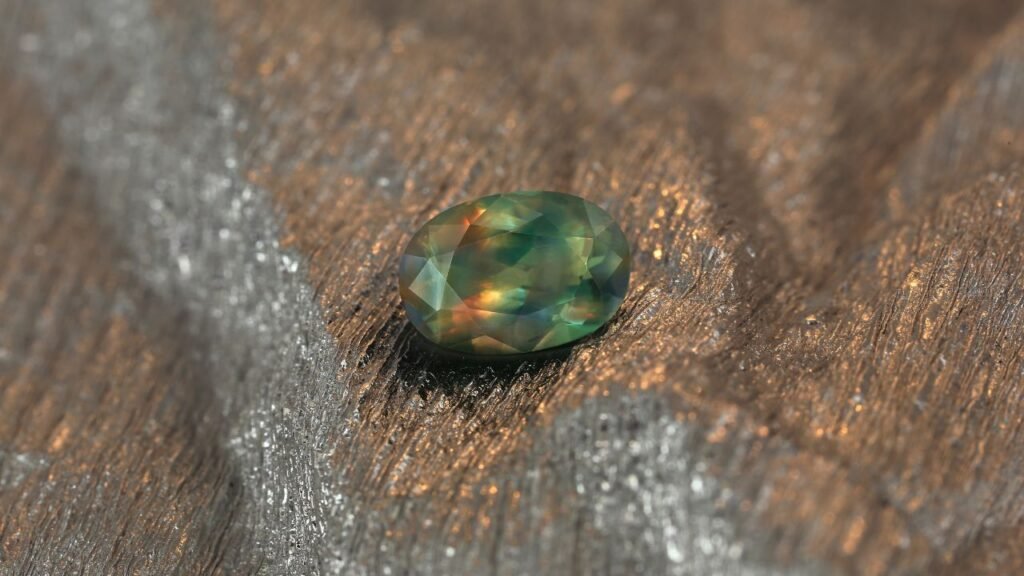
Alexandrite is one of the rarest gemstones ever discovered. Its extraordinary ability to change color under different lighting has fascinated collectors for more than a century.
1. What Is Alexandrite
Alexandrite is a rare gemstone from the chrysoberyl family. Its unique ability to change color depending on the light source makes it one of the most remarkable gems in the world. Fine alexandrites with a strong color change are extremely rare and can, in some cases, become more valuable than diamonds.
2. What Color Is Alexandrite
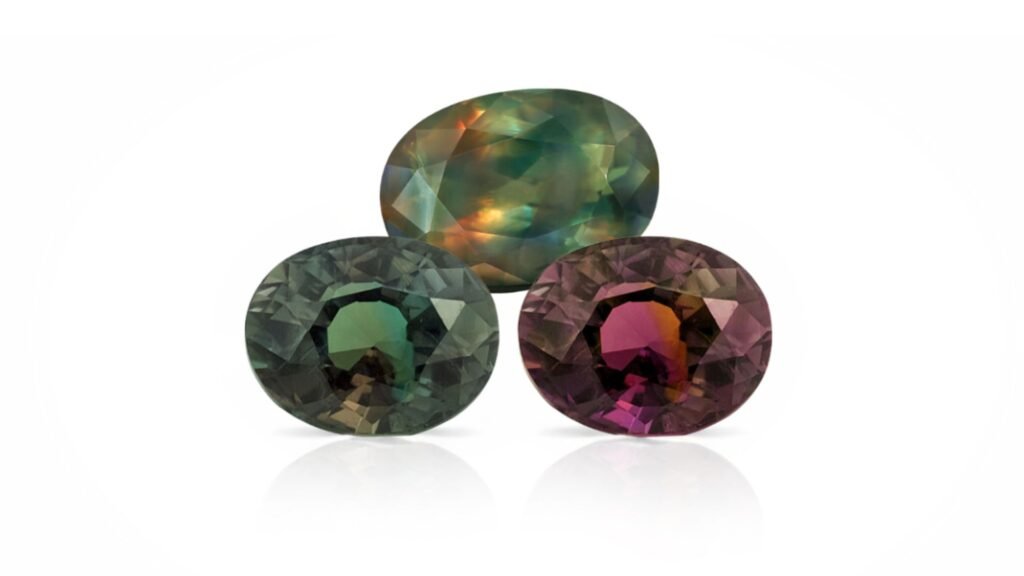
In natural daylight, alexandrite appears green or bluish-green. Under warm indoor light, such as a lamp or candle, it can transform into shades of red or purplish-red. This rare phenomenon gave alexandrite its famous description: Emerald by Day, Ruby by Night.
3. What Makes Alexandrite Change Color
The color-changing effect comes from small amounts of chromium inside the crystal structure. Chromium absorbs and reflects different wavelengths of light, creating the gemstone’s dramatic shift between green and red. A stronger contrast between these two colors usually increases the gemstone’s value.
4. Where Was Alexandrite First Found
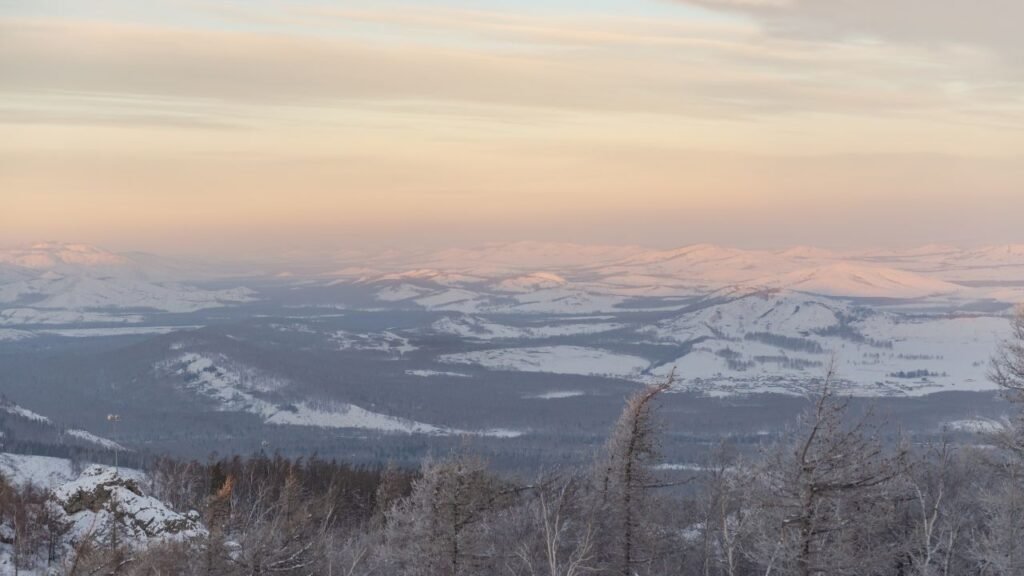
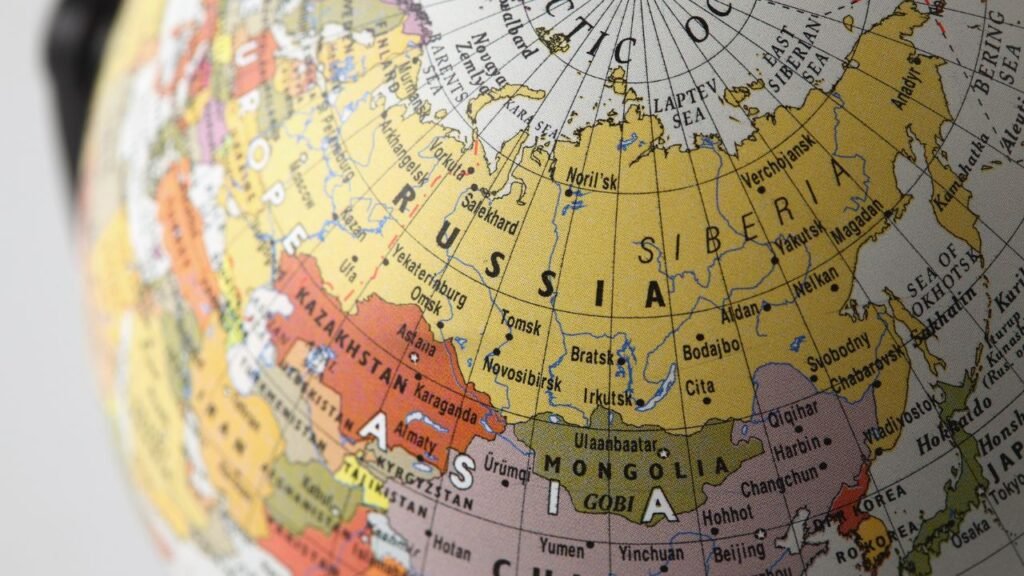
Alexandrite was discovered in the Ural Mountains of Russia during the 1830s. The gemstone was presented to the future Tsar Alexander II on his 16th birthday and was later named in his honor. It became a treasured gemstone among Russian royalty and the tsars.
5. Why Is Russian Alexandrite So Special
Most of the original Russian alexandrite deposits were mined during the 19th century. Today, genuine antique Russian material is exceptionally rare. Its powerful color change and royal history make it one of the most desirable gemstones for collectors.

6. Where Is Alexandrite Found Today
Today, alexandrite is found in locations such as Sri Lanka, Madagascar, Myanmar, Tanzania, and Brazil. Brazilian stones often display a strong color change with lighter tones. Sri Lankan alexandrites are valued for their clarity, while African stones are known for beautiful green colors but are usually found in smaller sizes.
7. How Is Alexandrite Cut
Because alexandrite is rare and often found in smaller sizes, cutters carefully choose shapes that highlight its color change. Popular cuts include cushion, oval, and round shapes, which help preserve the gemstone’s weight while showing its changing colors beautifully.
8. Where Is the World’s Largest Alexandrite
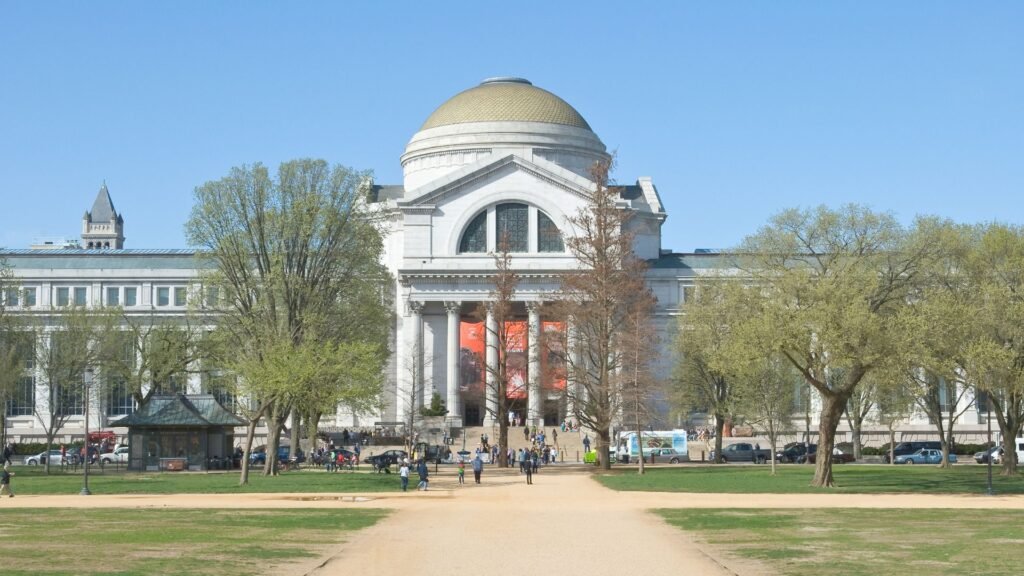
One of the most famous alexandrites in the world is the largest known faceted alexandrite, weighing 66 carats. This exceptional gemstone from Sri Lanka is displayed at the Smithsonian Institution’s National Museum of Natural History in Washington, D.C.
9. How Hard Is Alexandrite
Alexandrite is a durable gemstone with a hardness of 8.5 on the Mohs scale. It is one of the hardest gemstones, ranking below diamond and corundum, the mineral family that includes sapphire and ruby.
10. Birthstone & Anniversary
Alexandrite is the official birthstone for June. It is also the traditional gemstone chosen to celebrate a 55th wedding anniversary, representing strength and lasting beauty.
11. Refractive index
The refractive index measures how a gemstone bends light, affecting its brilliance and visual appearance. Alexandrite has a high refractive index of 1.746 to 1.755, helping create its bright reflections and beautiful sparkle.
12. How to Clean Alexandrite
The safest way to clean alexandrite is with warm, soapy water and gentle care. This simple method helps protect the gemstone’s surface and preserves its natural beauty for generations.
Inspired by the remarkable transformation of alexandrite, discover the Gemstone Fusion Wall Art Collection, a curated set of three artistic pieces designed to capture the unique colors and character of this extraordinary gemstone.

📌 Alexandrite: Summary
- Mineral: Chrysoberyl
- Color: Green (daylight) to reddish-purple (warm light)
- Discovered: In the 1830s in Russia’s Ural Mountains
- Named after Tsar Alexander II of Russia
- Mohs hardness: 8.5
- Found in Sri Lanka, Brazil, and East Africa
- Russian stones are the most prized
- Largest faceted stone (66 ct) is in the Smithsonian, Washington, D.C.
- refractive index: 1.746 to 1.755
- June birthstone
- 55th wedding anniversary