
PEARL
The Ocean’s Timeless Treasure
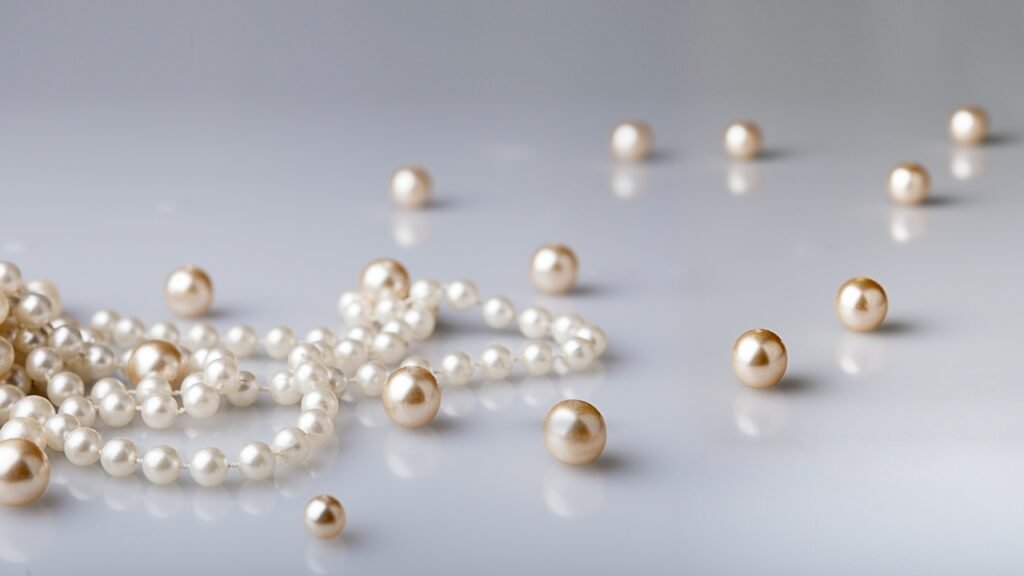
Pearls are among the world’s most treasured natural gems, admired for their soft luster, elegance, and timeless beauty. They have been valued for centuries and continue to hold a special place in jewelry, fashion, and culture.
1. What Is a Pearl
Pearls are unique organic gemstones that form inside the tissue of living saltwater or freshwater mollusks. Unlike most gemstones, they are created naturally by an animal rather than mined from the earth. Pearls can be natural, cultured, or imitation, each differing in how they are formed and their rarity. Their soft, lustrous glow has made them prized in jewelry for centuries.
2. How Natural Pearls Form
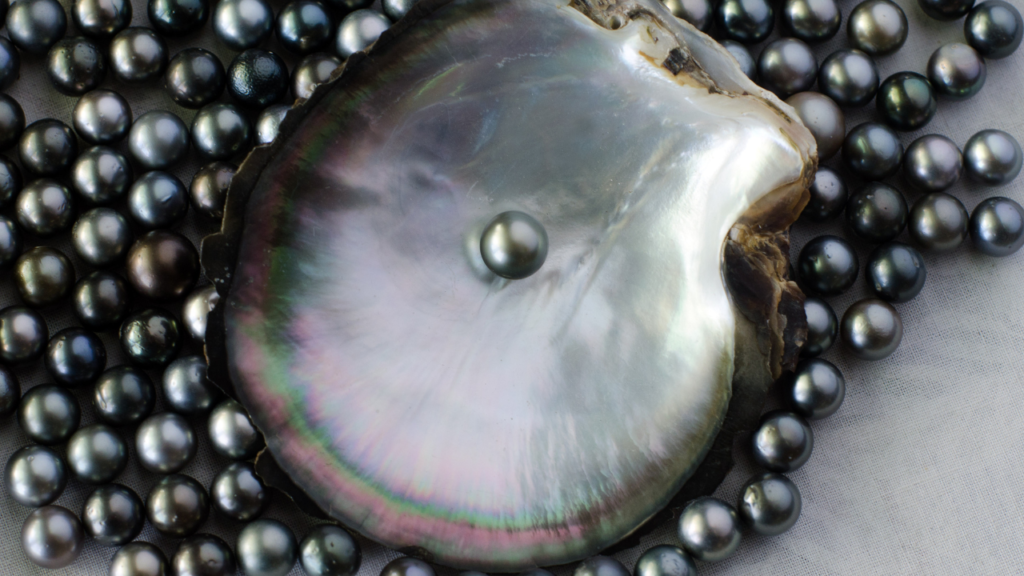
Natural pearls are formed when an irritant, such as a grain of sand or a tiny parasite, enters the mollusk’s shell. To protect itself, the mollusk secretes a fluid called nacre, also known as mother-of-pearl, which coats the irritant layer by layer. Over time, this buildup forms a pearl. Natural pearls are extremely rare, with only about one in 10,000 wild oysters producing a gem suitable for jewelry.
3. Cultured Pearls and Pearl Farming
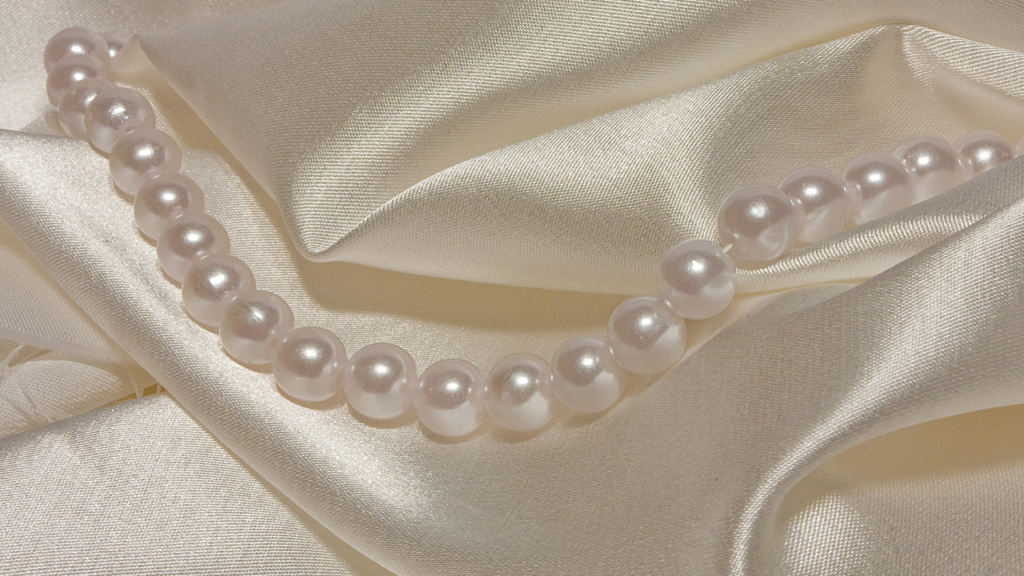
Cultured pearls are produced in pearl farms through human intervention. Skilled technicians implant a bead or piece of shell into the host mollusk, which then secretes nacre around it. This process usually takes several years for the pearl to reach full size. Pearl farms may source either saltwater or freshwater mollusks, depending on the type of pearl they aim to produce.
4. Global Sources
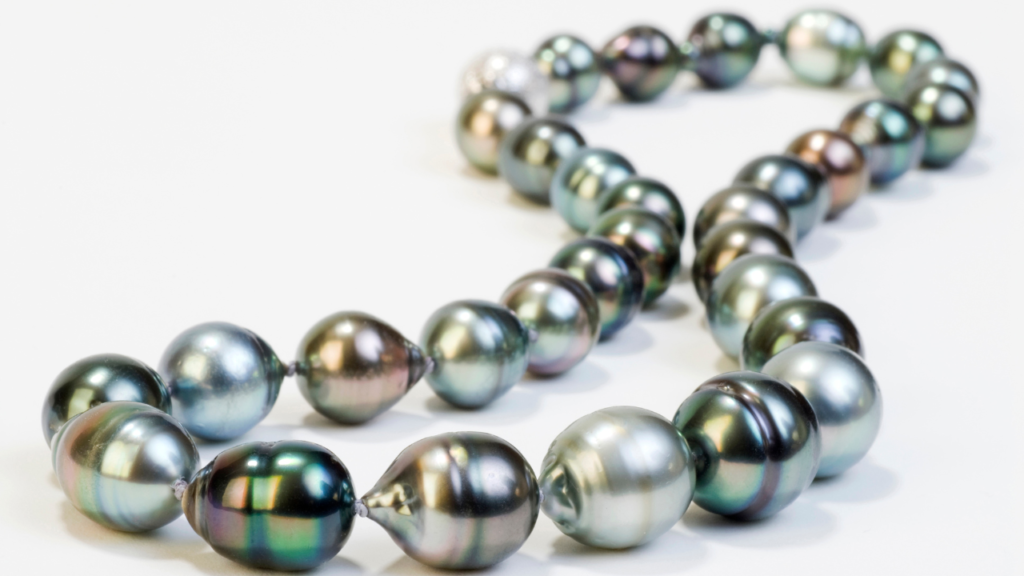
Pearls are produced in many parts of the world, including Japan, China, Australia, South Asia, the Philippines, Tahiti, and French Polynesia. Each region offers pearls with distinctive characteristics in terms of color, luster, and size. This variety allows jewelers and collectors to select pearls suited to different tastes and styles.
5. Symbolism and Beliefs
Pearls are believed to strengthen the bond between husband and wife. Wearing pearls on the wedding day is thought to bring marital bliss and harmony. Beyond marriage, pearls have long symbolized purity, wisdom, and elegance. Their timeless appeal makes them meaningful gifts for special occasions.
6. Pearl Hardness
Pearls are relatively soft, with a hardness of 2.5 to 3 on the Mohs scale, making them more vulnerable to scratches than many other gemstones. They should be stored separately in a box, pouch, or other soft material to protect their delicate surface. Plastic bags should be avoided, as chemicals in some plastics can damage the surface of pearls.
7. How to Clean Pearls
Pearls should be cleaned gently to preserve their natural luster and delicate surface. After wearing them, wipe them with a soft, damp cloth to remove oils, dust, and other residue. Avoid soaking pearls or using soap, detergents, alcohol, or harsh chemicals, as these can damage their surface and cause them to lose their beautiful luster over time.
8. Birthstone and Anniversaries
Pearl is the birthstone for the month of June and is also the gemstone for the 3rd and 30th wedding anniversaries. Its gentle beauty and symbolism make it a popular choice for celebrating love and commitment. Wearing pearls for these occasions adds both elegance and meaning.
9. Refractive index
Pearls have a refractive index of approximately 1.53 to 1.69, depending on their composition and structure. This relatively low refractive index, combined with their layered nacre structure, contributes to the soft, glowing luster that makes pearls distinctive among gemstones.
Inspired by the remarkable beauty of pearl, discover the Gemstone Fusion Wall Art Collection, a curated set of three artistic pieces designed to capture the unique colors and character of this extraordinary gemstone.

📌 Pearl: Summary
- Organic gemstone formed inside saltwater or freshwater mollusks
- Can be natural, cultured, or imitation
- Soft, lustrous glow with subtle iridescence
- Natural pearls extremely rare (1 in 10,000 oysters)
- Cultured pearls created on farms for consistent size and shape
- Major sources: Japan, China, Australia, South Asia, Philippines, Tahiti, French Polynesia
- Symbolizes purity, wisdom, elegance, and marital harmony
- Relatively soft: 2.5–3 on Mohs scale, requires gentle care
- Safest cleaning: soft damp cloth, avoid chemicals and plastic
- Birthstone for June; gemstone for 3rd and 30th wedding anniversaries