
LARIMAR
The Rare Blue Caribbean Gem
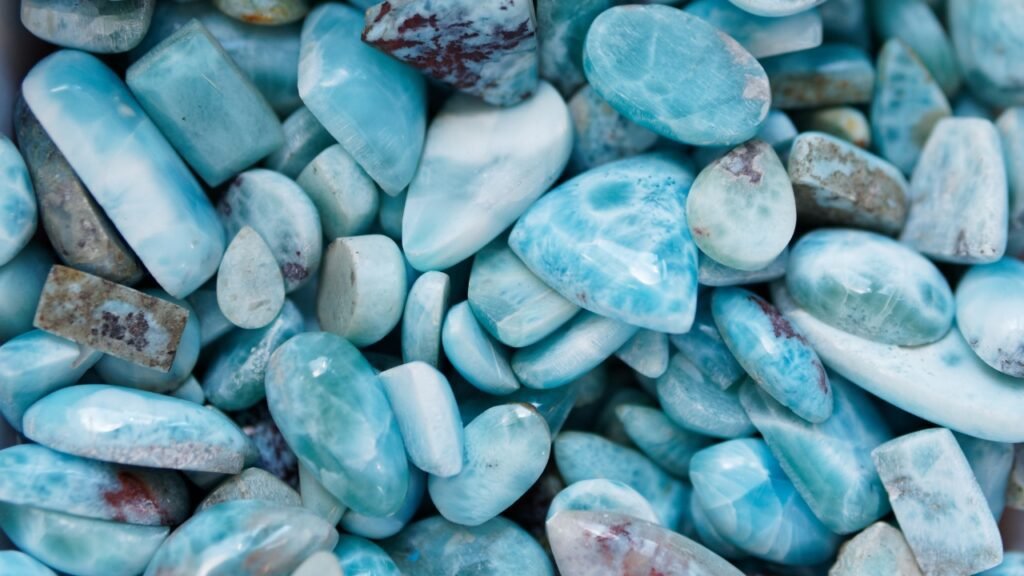
Larimar is a rare gemstone that comes from only one area in the world. It is known for its distinctive blue color, which has made it a recognizable and sought-after gemstone among collectors and jewelry enthusiasts.
1. What Is Larimar
Larimar is a rare gemstone that belongs to the mineral family known as pectolite. While pectolite occurs in many parts of the world, Larimar is a distinctive variety of this mineral. Its formation is associated with the presence of copper within the stone.
2. What Color Is Larimar
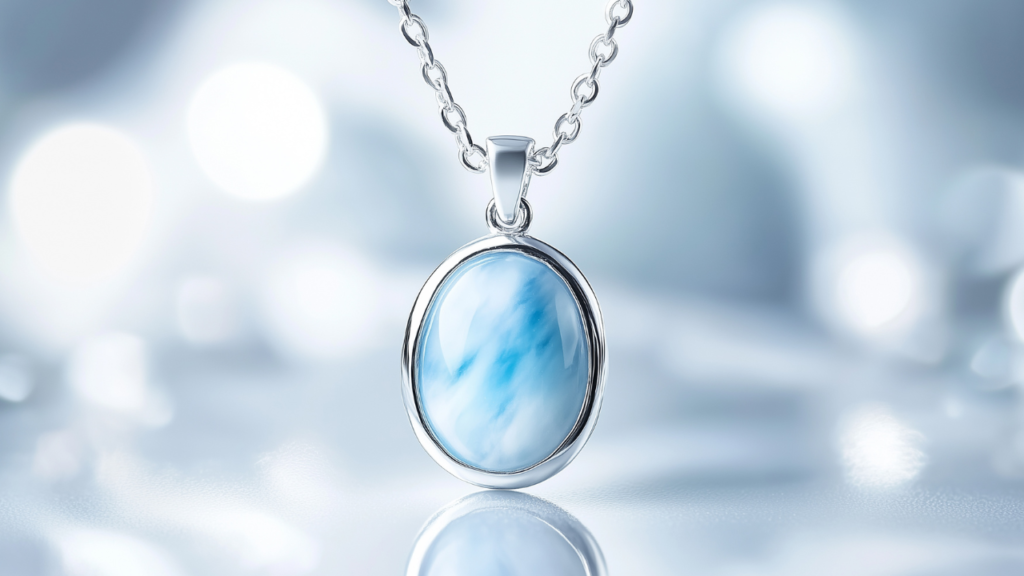
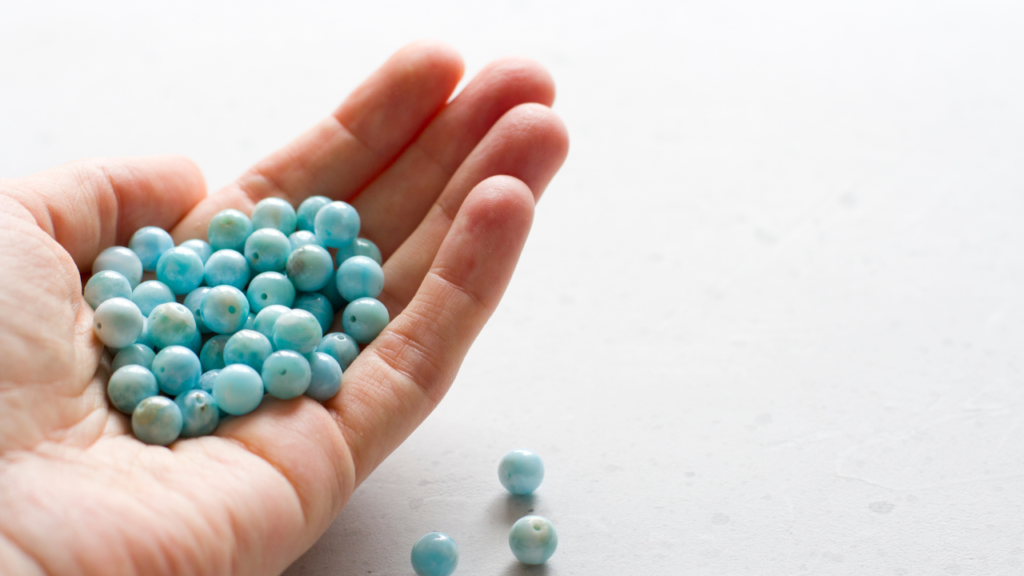
Larimar is known for its characteristic blue color, which ranges from light sky blue to deeper shades of blue. The intensity and distribution of the color can vary from one piece to another, giving each stone a different appearance.
3. Found in Only One Place
Larimar has been discovered in only one location in the world, in the province of Barahona in the Dominican Republic. No other deposits have been found anywhere else in the world. Because of its connection to the Caribbean, Larimar is widely known as “the Caribbean Gem.”
4. First Recorded Mention
The first recorded mention of Larimar dates back to 1916, when a Spanish missionary requested permission to mine the stone. The request was denied, and Larimar remained largely unknown for decades.
5. Rediscovery and Name
In 1974, Larimar was rediscovered by Norman Rilling, a member of the United States Peace Corps, and Dominican artisan Miguel Méndez, who found fragments of the stone along a beach. Méndez later named the gemstone by combining his daughter’s name, Larisa, with the Spanish word for sea, “mar.” Larimar is also known by alternative names such as the “Atlantis Stone” and the “Dolphin Stone.”
6. Hardness of Larimar
Larimar has a hardness of 4.5 to 5 on the Mohs scale, which means it can be scratched relatively easily and should be handled with care. It is softer than many commonly used gemstones, so it is best protected from contact with harder stones and rough surfaces. Larimar jewelry should also be stored separately to help prevent scratches during everyday use.
7. How to Clean Larimar
To clean Larimar safely, gently scrub the stone with a soft toothbrush using warm, soapy water, then rinse it thoroughly and dry it with a soft cloth. Avoid harsh chemicals and abrasive cleaners, which may damage its surface.
8. Refractive index
Larimar has refractive indices ranging from 1.594 to 1.642, with light bending by different amounts as it travels through the gemstone. This affects how light is reflected and transmitted through the stone, contributing to the way its surface appears bright and its internal areas appear visually varied.
Inspired by the remarkable beauty of larimar, discover the Gemstone Fusion Wall Art Collection, a curated set of three artistic pieces designed to capture the unique colors and character of this extraordinary gemstone.

📌 Larimar: Summary
- Blue variety of pectolite
- Colors: sky blue to deep ocean blue
- Color caused by copper content
- Found only in the Dominican Republic
- Known as the “Caribbean Gem”
- Discovered in 1916, rediscovered in 1974
- Named after Larisa + “mar” (sea)
- Also called “Atlantis Stone” or “Dolphin Stone”
- Hardness: 4.5–5 on Mohs scale